Barclays drew criticism after telling clients a very strong El Niño could be treated as an "El Niño trade," creating market opportunities even as experts warn the weather cycle may deepen global food shortages. Critics pointed to the bank's financing of fossil fuel expansion — about $17.6 billion last year — as a key reason the note was seen as tone-deaf. Agencies warn up to 125 million people could need emergency food assistance, and analysts forecast commodity price shocks of 10%–50%, with staples like rice, sugar and coffee most at risk.
Barclays Faces Backlash for Framing Looming El Niño Food Crisis as an 'Opportunity'
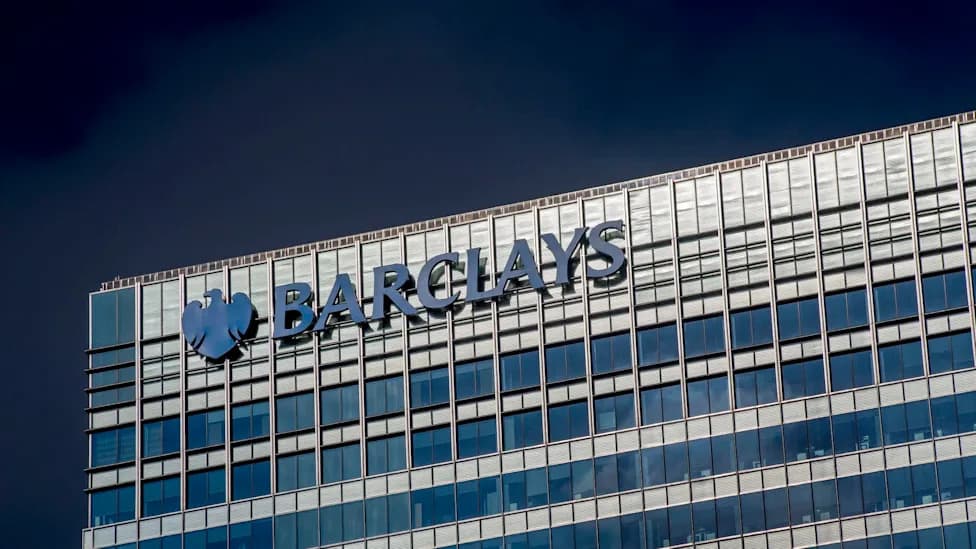
Photo Credit: iStock
Barclays has come under sharp criticism after telling clients that a strong El Niño could present market opportunities — a stance that drew condemnation because the bank is also a major financier of fossil fuel expansion, activities many experts say make extreme weather and its consequences worse.
What Barclays Told Investors
In a research note circulated to clients, Barclays described a potential 2026–27 "super" El Niño as an "El Niño trade," advising that "for investors, a very strong El Niño should be viewed as a source of market dispersion rather than a uniformly negative shock." The note added that while risks would fall unevenly across sectors and regions, historical El Niño events can drive substantial price moves in weather-sensitive markets.
Why Critics Are Outraged
Critics say the timing and tone were particularly troubling because Barclays has recently backed firms expanding coal, oil, and gas output. Reporting cited by The Bureau of Investigative Journalism (TBIJ) says the bank directed about $17.6 billion last year to companies increasing fossil fuel production. Opponents argue the bank cannot separate market analysis from the consequences of its financing decisions.
"It is grotesque that Barclays, having pumped billions into coal, oil, and gas expansion, is now looking at a global food crisis being deepened by climate breakdown and seeing a trading opportunity," said Adrian Ramsay, Member of Parliament for Waveney Valley.
The Human Stakes
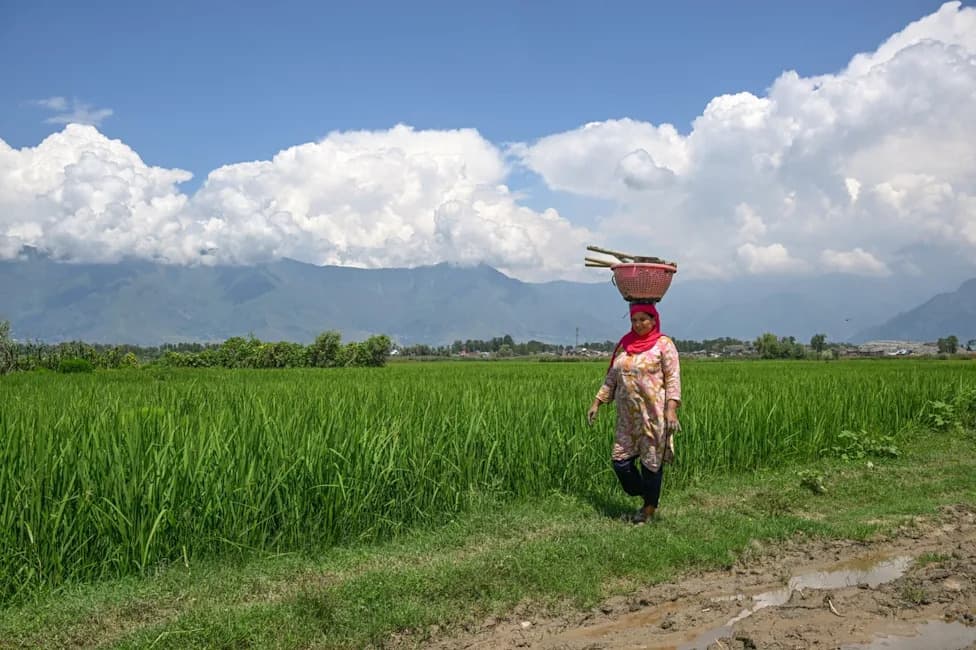
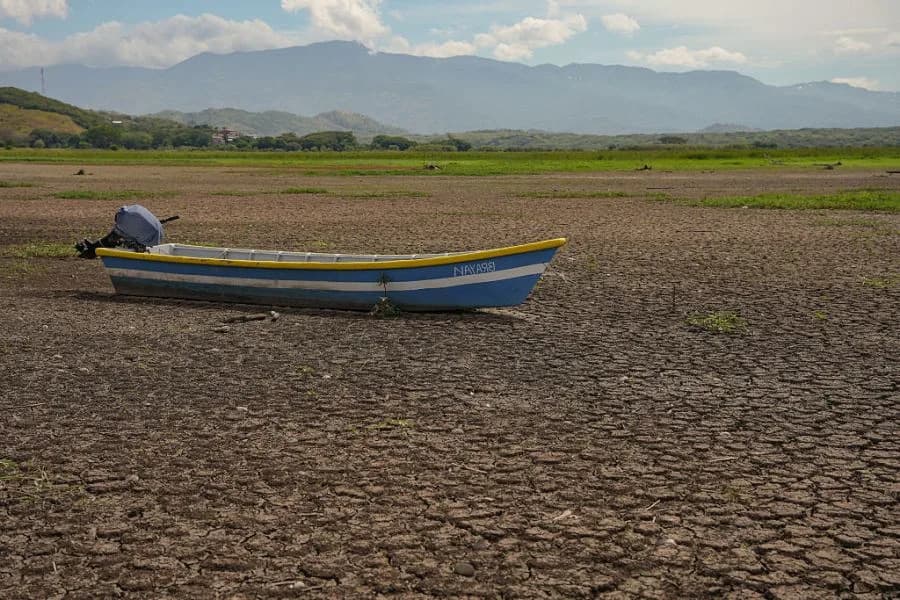
Meteorologists and food-security analysts warn the next El Niño could hit during an era already defined by record heat, wildfires, floods, and stressed crops. The Famine Early Warning Systems Network (FEWS NET) has warned that up to 125 million people could need emergency food assistance by December in the worst-affected areas, including Sudan, South Sudan, and Somalia.
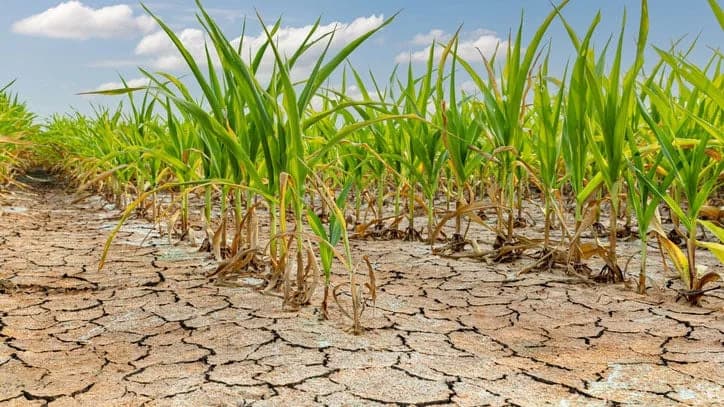
Charities and analysts highlight the potential household impact: the Joseph Rowntree Foundation reports that U.K. food costs are about 40% higher than five years ago, and even modest additional price rises would squeeze already struggling families. Climate-risk firm Risilience estimates commodity price shocks of 10%–50%, with staples such as rice, sugar, and coffee at risk of doubling in price under severe scenarios.
Responses And Practical Steps
Public pressure on Barclays has increased: the Green Party has urged customers to "vote with their feet" and move accounts, while campaigners say financial institutions should stop financing fossil-fuel expansion if society is to reduce climate-driven risks. Gareth Redmond-King of the Energy and Climate Intelligence Unit summarized the argument: "We can't do anything about El Niño — it keeps coming. But the underlying risk is the continuing burning of oil, coal, and gas."
For consumers, there are practical steps to reduce exposure to food-price shocks: build flexibility into meal planning, compare staple prices across stores, buy larger volumes of less-vulnerable staples when possible, and reduce reliance on commodities historically prone to extreme-weather volatility.
Bottom line: The controversy highlights a growing tension between investor analysis of climate-driven risks and the role financial institutions play in financing the very industries that exacerbate those risks. The debate raises broader questions about responsibility, risk, and the social costs of climate-sensitive market strategies.
Help us improve.