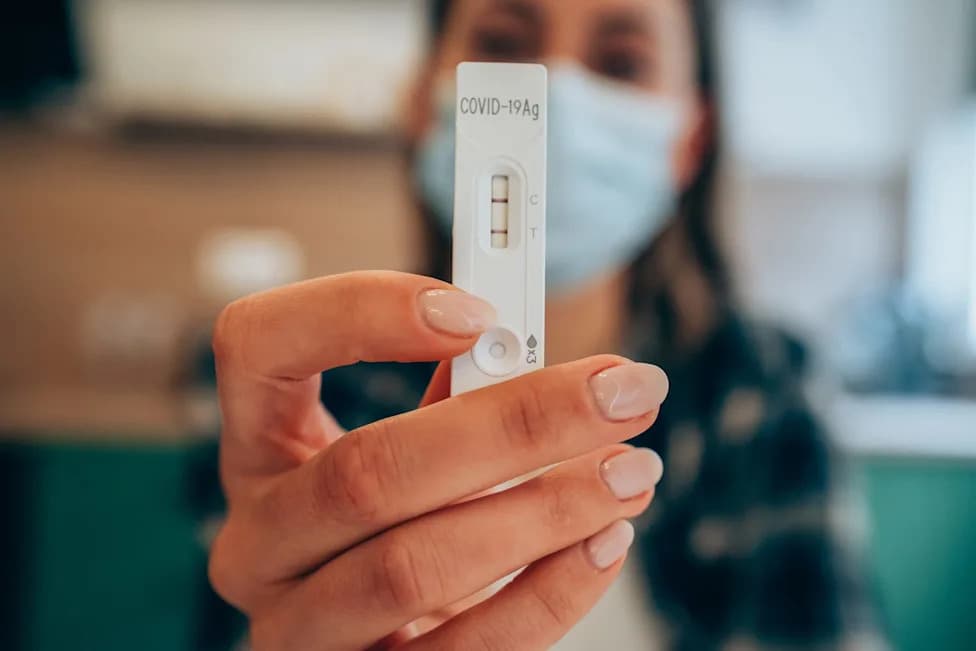
The CDC reviewed invasive mold disease cases from four Atlanta-area hospitals (2020–2024) and found IMDs commonly led to ICU stays and high mortality, with about one-third of hospitalized patients dying. Severity and death rates were especially elevated in patients with a current or recent COVID-19 diagnosis. The largest hospitalized group was ages 45–64 (43%). The report calls for increased surveillance, earlier recognition and treatment, and stronger infection-control measures.
CDC Study: Invasive Mold Infections Often Lead to ICU Care and High Death Rates — Risk Especially Elevated After COVID-19
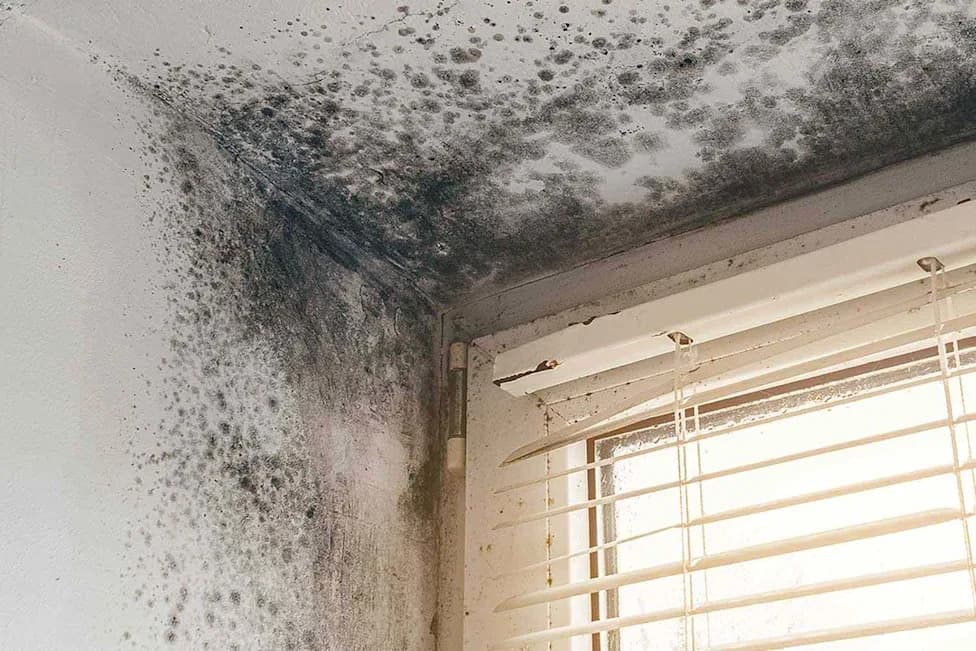
Stock photo of black mold growth on walls and ceiling near window with blinds.Credit: Getty
A new analysis from the Centers for Disease Control and Prevention (CDC) finds that invasive mold diseases (IMDs) are more severe than previously recognized, commonly resulting in intensive care unit (ICU) admission and substantial mortality. The study, published in the CDC's Morbidity and Mortality Weekly Report on July 30, examined cases at four Atlanta-area hospitals from 2020–2024.
Key Findings
- IMDs were frequently associated with ICU stays and high death rates — overall mortality in the hospitalized cases was about 33%.
- Patients with a current or recent COVID-19 diagnosis experienced especially severe disease and higher mortality.
- The largest share of hospitalized patients (43%) were aged 45–64.
What Are Invasive Mold Diseases?
IMDs occur when mold invades blood vessels, deep tissues or organs. Most infections result from inhaling airborne mold spores that are often invisible to the naked eye. The CDC also notes IMDs can arise when mold enters through cuts or wounds or via contaminated medical equipment. The two most commonly identified types in this report were mucormycosis and aspergillosis.

Close-up of a person wearing yellow rubber gloves spraying cleaning solution on a moldy wall near a window. The photo illustrates household mold removal, home maintenance, and moisture problems in buildings. Concept of hygiene, allergy prevention, air quality, and cleaning mold for a healthy home.Credit: Getty
'It's kind of the first time we've had an estimate like this,' said study co-author Dr Jeremy Gold, underscoring the study's role in quantifying the clinical burden of IMDs.
Possible Drivers And Public Health Implications
Experts and the report point to changing weather patterns as one factor behind a rise in mold-related illness. Heavier storms and flooding can increase indoor and outdoor mold growth and exposure. Dr Jeffrey Jenks, an infectious disease researcher, noted that fungal infections may become more frequent as climate change alters weather extremes.
Recommendations
- For Clinicians: Maintain a high index of suspicion for IMDs in critically ill or immunocompromised patients — particularly those with recent COVID-19 — to allow earlier diagnosis and prompt antifungal therapy.
- For Health Systems: Strengthen surveillance to identify emerging at-risk populations and detect healthcare-associated outbreaks related to contaminated equipment or environmental sources.
- For the Public: Reduce mold exposure after storms or flooding by following local public health guidance and seeking medical attention for persistent respiratory symptoms or signs of invasive infection.
The CDC's findings highlight the importance of early detection, effective infection control, and targeted public health monitoring to reduce severe outcomes from IMDs.
Help us improve.