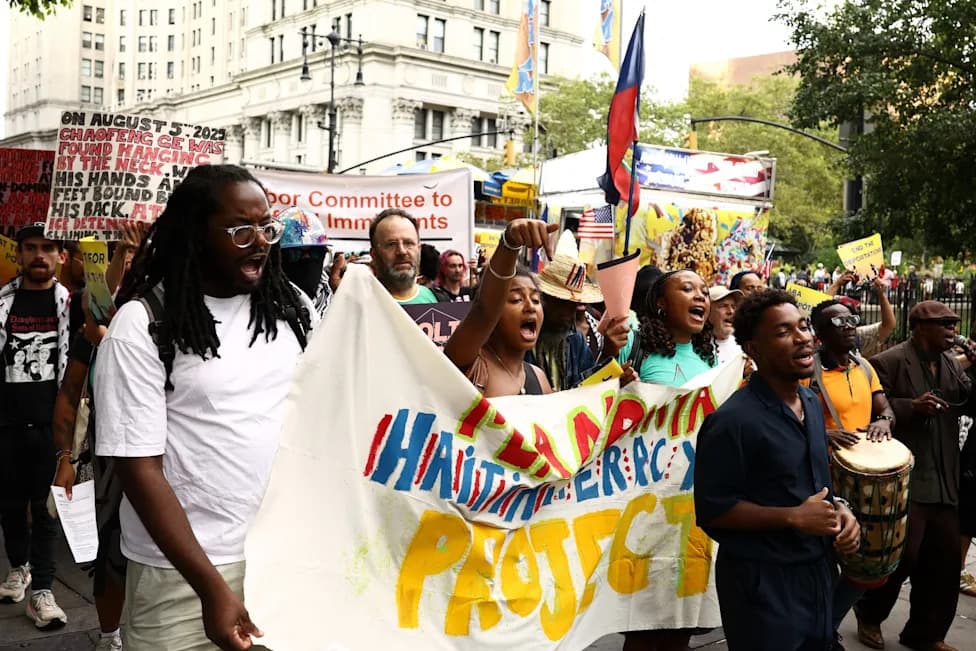
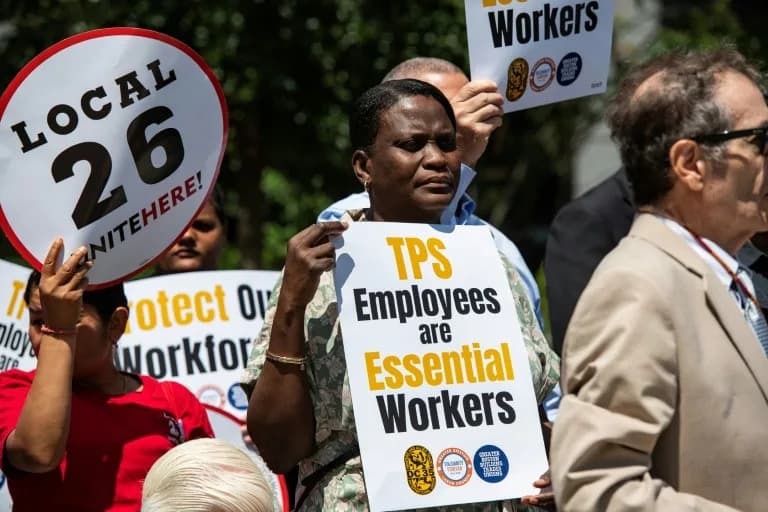
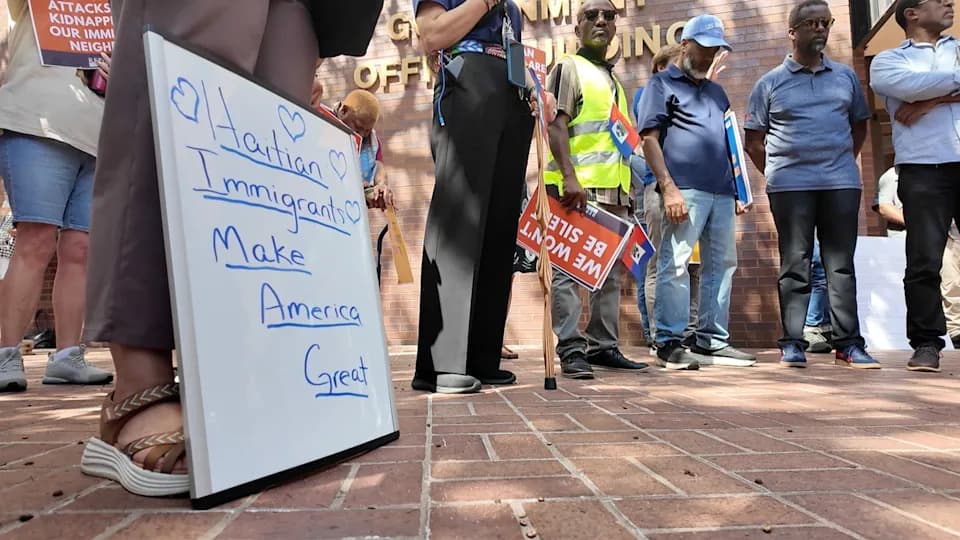
Springfield saw a tentative revival as thousands of Haitian immigrants settled in the city, boosting businesses, jobs and housing demand. The termination of Haiti’s Temporary Protected Status (TPS) on July 27 has left many families in limbo and threatens a fragile housing and economic recovery. City officials warn that losing these residents could quickly reverse recent gains in construction, neighborhood stability and tax revenue, while community leaders emphasize the human cost of displacement.
Haitian Immigrants Revived Springfield — Now Those Gains Are at Risk After TPS End
Springfield, Ohio, began to rebound in the early 2020s as thousands of Haitian immigrants moved in, opening businesses, taking jobs and strengthening neighborhoods. That fragile recovery faces uncertainty after the U.S. termination of Haiti's Temporary Protected Status (TPS) on July 27, which has left many families unsure whether they can remain in place.
How Immigrants Helped Spark a Comeback
For decades Springfield experienced steady population decline and a weakening housing market. Between 1970 and 2010 the city’s population fell from 81,926 to 60,608, a drop of 26%, and by 2013–17 roughly 4,010 housing units were estimated vacant, about a 14% vacancy rate — well above the 6% to 8% a healthy market typically shows.
That trend began to reverse when newcomers, many from Haiti, found affordable housing and jobs in manufacturing, warehousing and services. The influx of workers and entrepreneurs produced visible change: Haitian grocery stores, restaurants and other businesses began to appear across the city, and local leaders say new households helped support wages, spending and the tax base.
“The word I hear most often about the Haitian community right now is ‘panicked,’” says Michael E. McClelland, a longtime Springfield resident and volunteer with G92. “Some of these people have been here 15 years. They've got families here. They've got homes. They've got jobs.”
Housing Gains — And New Pressures
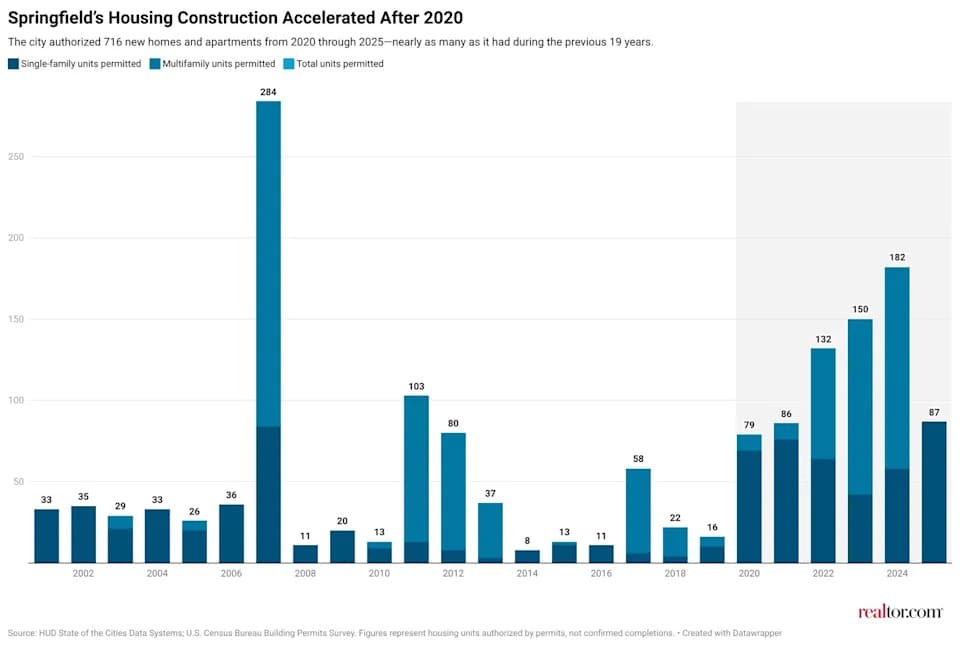
Although Springfield still struggled with vacant and blighted properties, the new demand altered expectations for developers. From 2020 through 2025 the city authorized about 119 new homes and apartments per year on average — roughly 716 units in six years — more than double the average of the previous two decades. At the same time, a 2022 city housing plan estimated the community lacked nearly 2,000 decent, safe and affordable rental units.
Springfield also spent public dollars addressing decades of vacancy. In 2020 the city spent more than $764,000 on nuisance abatement, and officials reported 609 vacant properties demolished over a prior decade. City planners warn that if the recent arrivals are forced to leave, new construction and the tentative housing recovery could be the first to falter.
The Stakes After TPS Was Ended
TPS termination has placed many Haitian households in limbo. The city estimates 12,000 to 15,000 immigrants live across Clark County, with Haitians forming a large share of recent arrivals, though precise counts are difficult. Statewide research shows immigrants contributed billions in earnings and taxes in Ohio, underscoring the economic role newcomers can play.
Experts emphasize both the benefits and the strains of rapid growth. “An increase of 12,000 to 15,000 against a base of about 59,000 is a huge shock in planning terms,” says Hannah Jones, senior economist at Realtor.com. “This influx would strain any midsize city's schools, clinics and housing, regardless of who the newcomers are.”
Local officials and community leaders warn that losing those residents would carry both economic and human consequences. Governor Mike DeWine noted the impact of Haitian residents on Springfield’s comeback, and Mayor Rob Rue warned that immigrants have become part of the city’s fabric. McClelland puts it plainly: “This is their home, and suddenly they're being yanked out of that.”
What Comes Next
It remains too soon to measure the full effects. Some families have already left or made plans to depart, but no reliable public count yet captures how many households have gone or how the housing market has shifted in response. Planners warn that a renewed population decline could slow or reverse recent gains in construction and neighborhood stabilization, while community advocates underscore the human cost of abrupt displacement.
Key data points: TPS termination date (July 27); Springfield population drop from 81,926 (1970) to 60,608 (2010); ~4,010 vacant units in 2013–17 (~14% vacancy); $764,000 spent on nuisance abatement in 2020; 609 demolitions over a decade; city estimate of 12,000–15,000 immigrants in Clark County; median rent $1,099; 716 new units authorized 2020–25 vs. 868 from 2001–2019.
Help us improve.