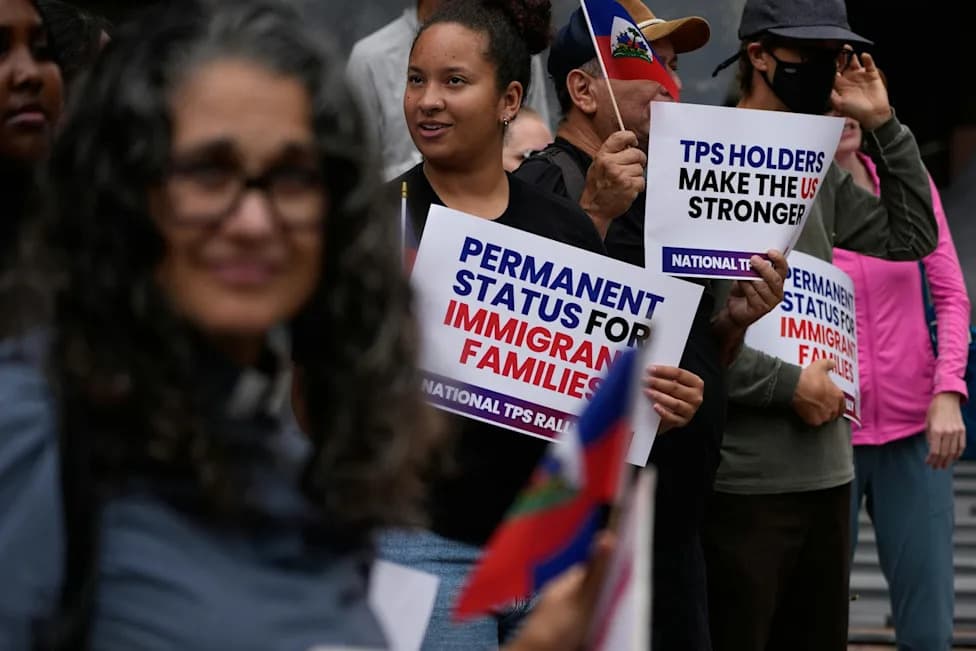
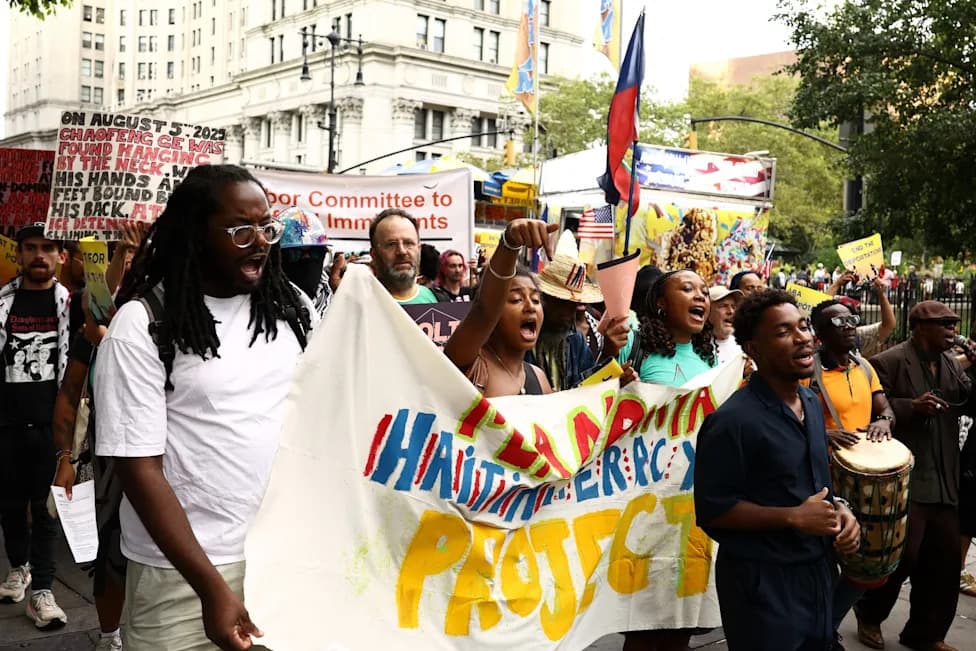
The Trump administration's revocation of Temporary Protected Status for Haitians has pushed many caregivers into hiding or unemployment, worsening staffing shortages in hospitals, nursing homes and home-care agencies. More than 350,000 Haitians lost TPS, and estimates suggest about a third worked in the U.S. healthcare sector. Unions and providers report dismissals, agency closures and degraded patient care. The House passed a bill in April to restore protections; the measure now awaits Senate action.
Revocation Of Haitian TPS Strains U.S. Hospitals And Home Care, Leaving Nurses In Hiding
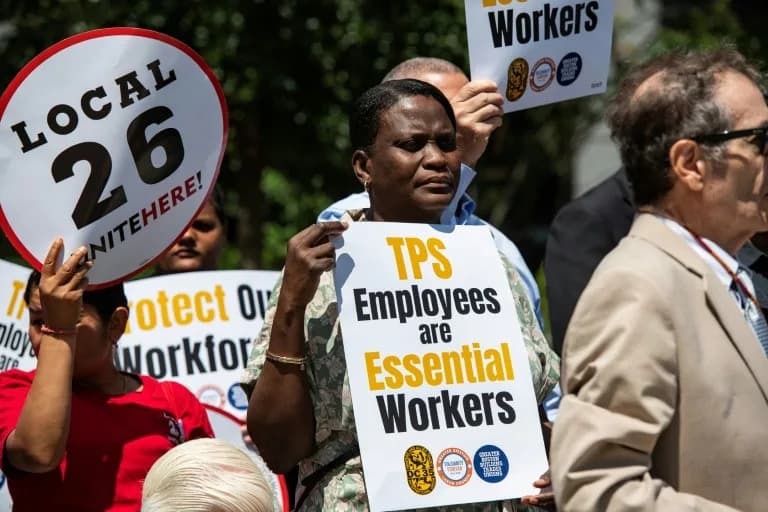
People hold signs at a rally calling on Congress to restore Temporary Protected Status (TPS) for Haitians (JOSEPH PREZIOSO)
Many Haitian healthcare workers in the United States have gone into hiding or lost their jobs after the Trump administration revoked Temporary Protected Status (TPS) for Haitian nationals, officials and affected workers say. Advocates warn the move — which affected more than 350,000 people — is worsening staffing shortages in hospitals, nursing homes and home-care agencies that relied heavily on this workforce.
A Caregiver's Story
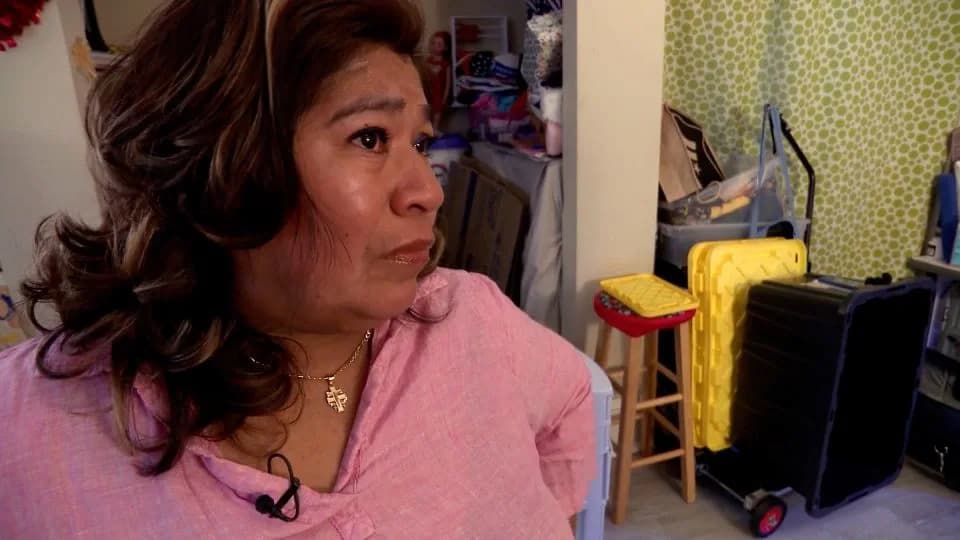
A New York nurse in her 30s who spoke to AFP under the pseudonym Rachelle described being fired after her TPS was revoked at the end of July. "We take care of sick people. We don't commit any crimes. So why hunt us down like animals?" she said. Fearful of arrest by Immigration and Customs Enforcement (ICE), she has stayed home and is caring for her young son, who has a neurodevelopmental disorder.
Worker Shortages Deepen
Temporary Protected Status for Haitians was created after the devastating 2010 earthquake; at the time of revocation it covered an estimated more than 350,000 people, roughly a third of whom worked in the U.S. healthcare sector. Labor leaders and facility managers say the decision has created "chaos" in a sector already facing chronic staffing shortages.
Nancy Hagans, a nurse who leads a New York City healthcare workers' union, reported 21 employees lost at her facility and said a nearby nursing home dismissed hundreds of staff. In Florida, where many Haitian caregivers live and work, Denise Bellville — president of a home-care stakeholders association — said two agencies have been forced to close.
Why Replacements Are Hard To Find
Healthcare providers say the roles most affected — nursing assistants, personal care aides and other low-paid direct-care positions — have been filled historically by immigrants. Employers report that domestic applicants often prefer other types of work or higher-paying jobs, making rapid replacement difficult.
Policy Context And Broader Impact
The Trump administration has also ended TPS for nationals of other countries, including Ethiopia, South Sudan and Yemen, and indicated plans for additional terminations. Taken together, those moves could expose more than a million immigrants to deportation, with cascading effects on healthcare delivery.
Some facilities are attempting to retain staff by sponsoring alternative immigration pathways, but these processes are typically time-consuming and costly. Healthcare worker associations, industry groups and local officials have urged Congress to restore protections for Haitian nationals; the U.S. House passed a bill in April to reinstate TPS for Haitians, and the measure awaits action in the Senate.
Consequences For Patients
Stakeholders warn that revoking protections affects not just employees but also vulnerable patients, especially those who rely on home care to remain in their residences. While a minority of caregivers continue working informally despite the risk of arrest, many employers have opted to lay off staff to avoid legal liability, diminishing access to care for the elderly and medically fragile.
"Whether they like it or not, they need us," Rachelle said, expressing hope that policymakers will act to restore protections.
Key facts: TPS revocation affected 350,000+ Haitian nationals; roughly one-third worked in U.S. healthcare; layoffs and agency closures reported; House-passed bill to restore protections awaits Senate consideration.
Help us improve.