A Highlands Ranch homeowner says an HOA notice about exposed soil is pushing him to replace failing turf with drought-tolerant landscaping that could cost at least $4,000. Colorado law prevents fines for brown or dead lawns when homeowners follow local watering restrictions, but HOAs can still enforce other maintenance standards and request proof of compliance. Officials advise keeping watering records, photos and HOA correspondence, and contacting the Colorado HOA Information and Resource Center if an association appears to overreach.
HOA Notice Pushes Colorado Homeowner Into $4,000 Drought-Friendly Yard Makeover
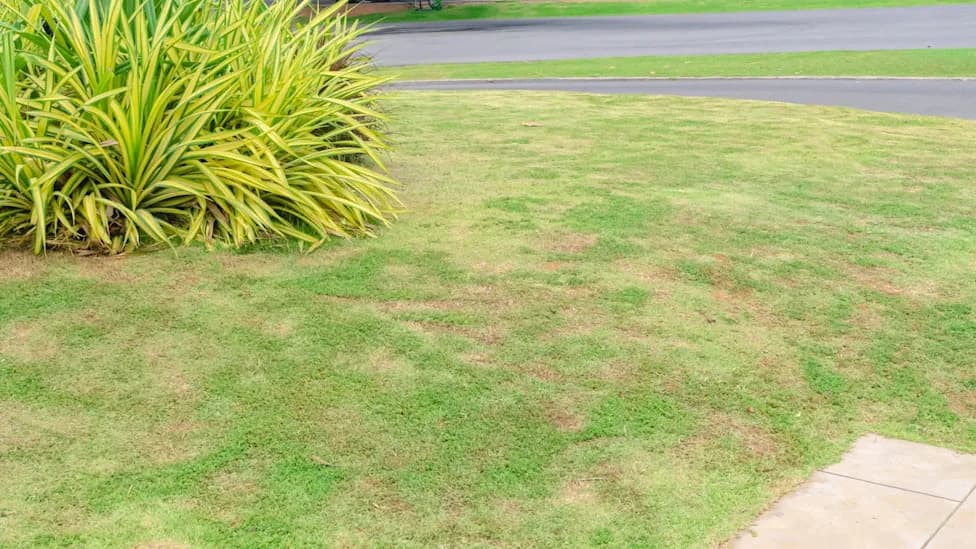
Photo Credit: iStock
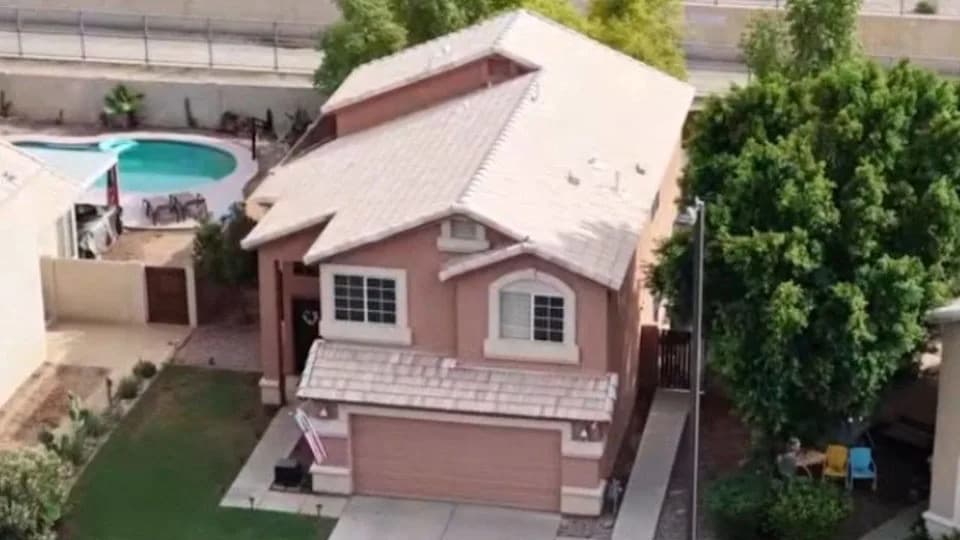
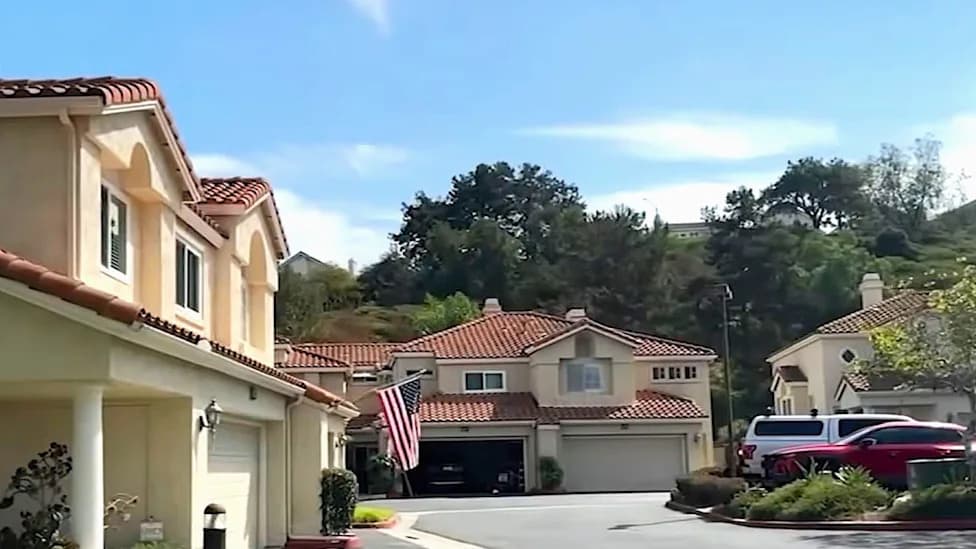
A Highlands Ranch homeowner says a homeowners association notice about exposed soil in his lawn has pushed him toward an expensive landscaping conversion — even though local drought rules already limit outdoor watering. He told a local outlet that replacing failing turf with drought-tolerant plantings could cost at least $4,000.
What Happened
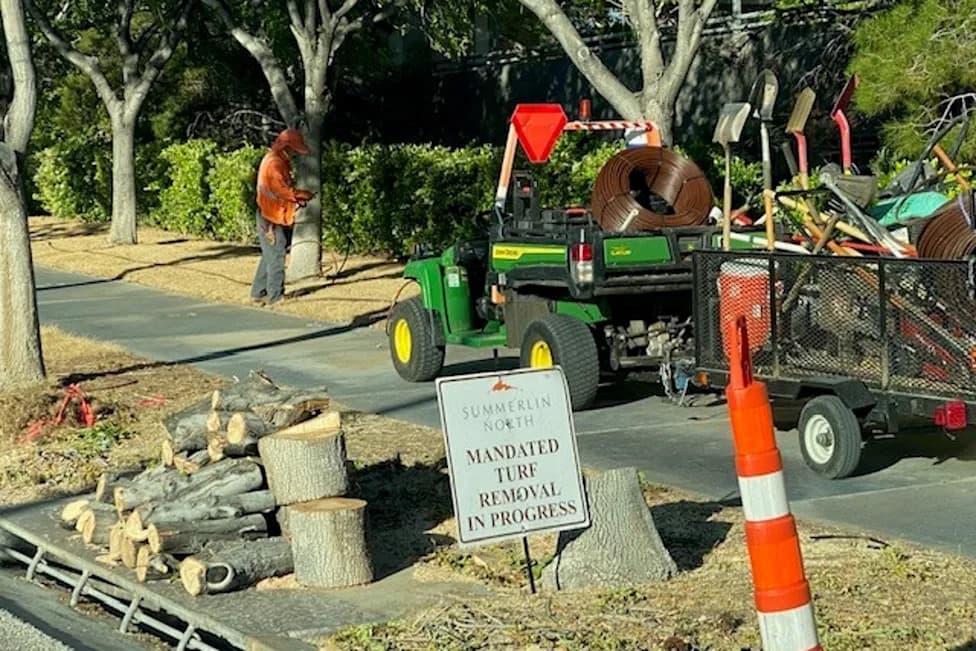
The homeowner received an HOA letter in May after bare patches appeared across his yard. To address the complaint, he plans to remove the thinning grass and install low-water landscaping designed for dry conditions. The local report said the project could cost thousands of dollars once plantings and installation are factored in.
Legal And Community Context
Colorado law places limits on what associations can do during droughts. If homeowners are following municipal or county watering restrictions, they cannot be fined solely because grass has browned or died from lack of water. However, HOAs may still enforce other yard-maintenance standards and can request documentation showing residents are complying with local watering rules.
Broader Tension
The dispute highlights a recurring issue in arid regions: residents are asked to conserve water, yet many neighborhoods still expect traditional, well-manicured lawns. Communities that restrict irrigation to once or twice a week make it difficult to keep turf green, and when HOAs insist on conventional appearances, homeowners can face renovation bills that run into the thousands.
HOAs And Environmental Upgrades
Across the U.S., some associations have drawn criticism for resisting or slowing eco-friendly upgrades such as rooftop solar, xeriscaping, and native-plant landscaping — measures that reduce water use and energy bills. State officials note that associations may ask homeowners to document their watering, and if a homeowner waters less than allowed and the lawn continues to decline, the HOA may still have grounds to act.
Practical Advice For Homeowners
Officials and consumer advocates recommend that homeowners keep careful records in case of disputes: watering schedules, utility bills, dated photos, HOA correspondence and copies of local drought restrictions. Those who believe an association is overstepping can contact the Colorado HOA Information and Resource Center to file a complaint or to get guidance on how to pursue bylaw changes and work with other residents.
Homeowners considering a yard conversion can also explore phased approaches to spread costs, look for local rebates or incentives for water-wise landscaping, and choose lower-cost installation options such as native plants, mulch, and drip irrigation systems to reduce long-term maintenance and water use.
'It's not where our resources should be,' the homeowner told the local station. 'Everybody wants to maintain their property values, but if we don't have any water, your property value is going to go way, way down.'
Help us improve.