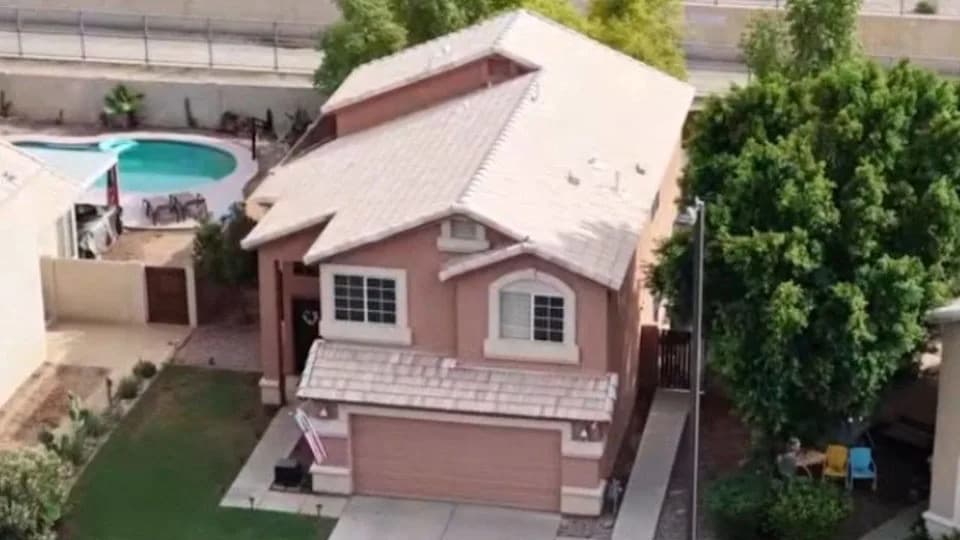
Overview: What began as roughly $977 in unpaid homeowners association (HOA) assessments for Toby Newton, a 53-year-old Mesa, Arizona homeowner, escalated into a judicial foreclosure that ended with the Superstition Springs Community Master Association acquiring his four-bedroom house via credit bid for $8,172. The case has drawn national attention because of the enormous gap between the original arrears and the auction outcome, and because it unfolded just before Arizona raised HOA foreclosure protections in 2025.
Timeline And Key Facts
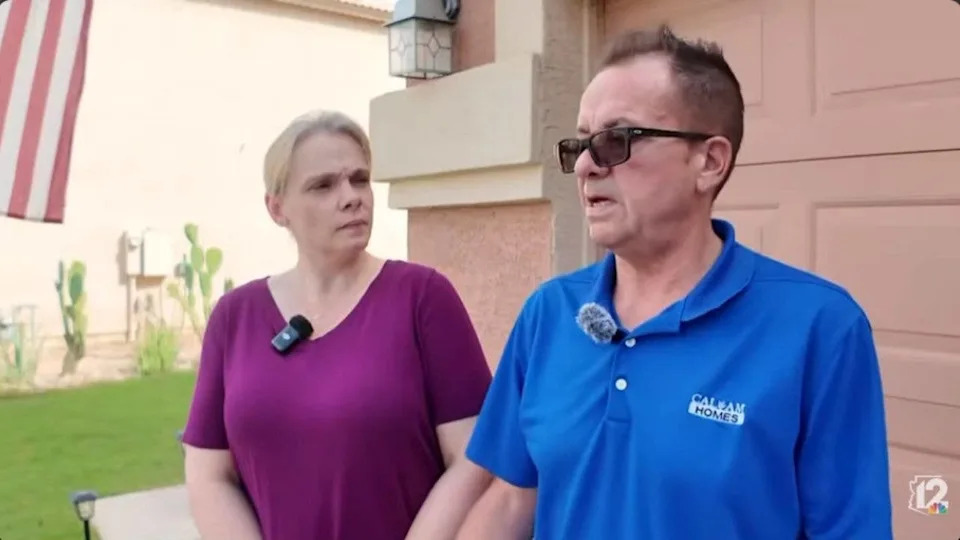
Newton purchased the East Mesa home in the Superstition Springs community in August 2022 and planned to retire there. After losing his sales job in 2024 and being diagnosed with diabetes, Newton missed quarterly HOA assessments of about $170. By the time the dispute escalated, his unpaid assessments and interest totaled roughly $977.
Represented by attorney Augustus Shaw IV, the Superstition Springs Community Master Association filed a judicial foreclosure complaint in Maricopa County Superior Court on November 15, 2024 (Case No. CV2024-032885). Court records reconstructed by the Arizona HOA Transparency Project show Newton did not file a formal answer; the association moved for an entry of default and the matter proceeded toward default judgment.
As litigation progressed, additional costs accumulated. Court filings listed $1,311 in assessments/related charges, $1,042.09 in plaintiff costs and $3,345 in attorney fees. On June 30, 2025, the court entered a default judgment totaling $6,579 and authorized a foreclosure sale.
Sheriff’s Sale And Redemption
A writ of special execution directed the Maricopa County Sheriff to sell the property. The auction occurred on October 16, 2025; the HOA submitted a credit bid of $8,172 and the writ was returned satisfied on November 21, 2025. That credit bid — a small fraction of the home’s recent purchase price (reported between $449,328 and $475,000) — made the case widely newsworthy.
Newton said he remained living in the house after the sale and tried to prevent removal. Reporting by The Independent and Realtor.com indicates the association initially offered him a six-month redemption period to pay the outstanding balance, but the amount owed grew as fees mounted and the couple faced further financial setbacks: Sherrie Patten, Newton’s partner, entered long-term disability while receiving breast cancer treatment. The association later extended the redemption period and the payoff amount reportedly rose to about $10,484.
Legal Context: Arizona’s 2025 Reform
An essential context is that Arizona amended A.R.S. § 33-1807 in 2025. Under the pre-2025 statute (which governed Newton’s case when the complaint was filed in November 2024), an HOA could foreclose when an owner had been delinquent for one year or owed at least $1,200 in assessments. The amended law raised that threshold substantially: generally, a planned-community HOA cannot foreclose unless a homeowner is delinquent for at least 18 months or owes $10,000 or more in assessments.
Because Newton’s foreclosure was initiated before the 2025 changes took effect, the older, lower thresholds applied. That timing helps explain how a dispute beginning with under $1,000 in arrears proceeded to foreclosure under the law at that time. It does not necessarily imply the HOA acted unlawfully under the earlier statute, but it does illustrate how statutory timing affected outcomes.
Human Impact And Ongoing Efforts
Newton and Patten have pursued additional court relief; court summaries show Newton filed an emergency motion in May 2026, but the court noted the sheriff’s writ had already been returned satisfied and directed any further requests to follow appropriate filing and service procedures. In September 2026 the couple launched a GoFundMe seeking help with legal expenses and living costs while they attempt to challenge or remedy the loss of their home.
Sources: Reporting and public records reviewed for this article include coverage by The Mesa Tribune, Men’s Journal (original publication), The Independent, Realtor.com and reconstructed court records compiled by the Arizona HOA Transparency Project.