Kemi Badenoch argues that scepticism about net‑zero policy should not be confused with denying climate science. She accepts climate change but says the UK's net‑zero‑by‑2050 programme lacks credible planning, transparency and affordability. Badenoch highlights high UK energy costs — citing industrial prices far above those in the US and Europe and net‑zero charges of roughly £22bn a year — and warns about reliance on foreign supply chains. Her Conservative plan proposes repealing the Climate Change Act, abolishing the Carbon Tax, backing nuclear and North Sea energy, and prioritising resilience and cheaper, secure power.
Questioning Net Zero Is Not Denying Climate Change — Why Policy Design Matters
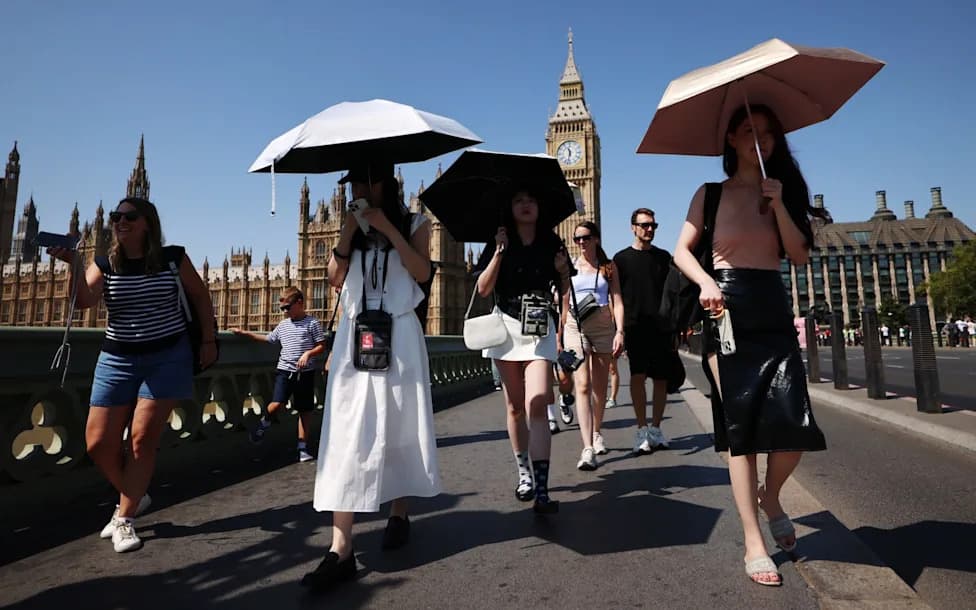
We can see the effects of climate change in the current spate of heatwaves in Britain - ANDY RAIN/EPA/Shutterstock
Net zero scepticism is often conflated with climate‑change denial, but the two are not the same. Climate change is a scientific reality; the pledge to reach net zero by 2050 is a political programme made up of laws, subsidies, targets and prohibitions. It is entirely consistent to accept the science while questioning whether a given set of policies will actually solve the problem.
Accepting the Science, Critiquing the Plan
I have long argued that the current net‑zero plans do not offer a credible route to the stated goal. That view is not anti‑science; it is a call for clearer planning, better value for money and honest assessment of trade‑offs. Too often, critics equate any policy scepticism with a wish for environmental collapse. That is a false and dangerous shortcut.
Where the Policy Falls Short
Transparency and delivery: Net zero has become a slogan rather than a detailed strategy. Politicians announce a destination without explaining how to get there, what it will cost, who will pay, which industries will survive, or whether global emissions will be reduced.
Costs and competitiveness: Britain now faces very high energy costs. Industrial electricity prices are among the highest globally — roughly four times those in the United States and around 50% higher than in France and Germany — and household bills are also high by European standards. Net‑zero taxes, subsidies and system charges are estimated to account for approximately 40% of electricity generation costs, about £22bn a year. The Carbon Tax alone is said to add roughly a third to wholesale electricity prices.
Since 2002, consumers and businesses have contributed more than £67bn through the Renewables Obligation subsidy scheme. These are not trivial sums: energy costs affect whether factories operate, restaurants survive and households can heat their homes.
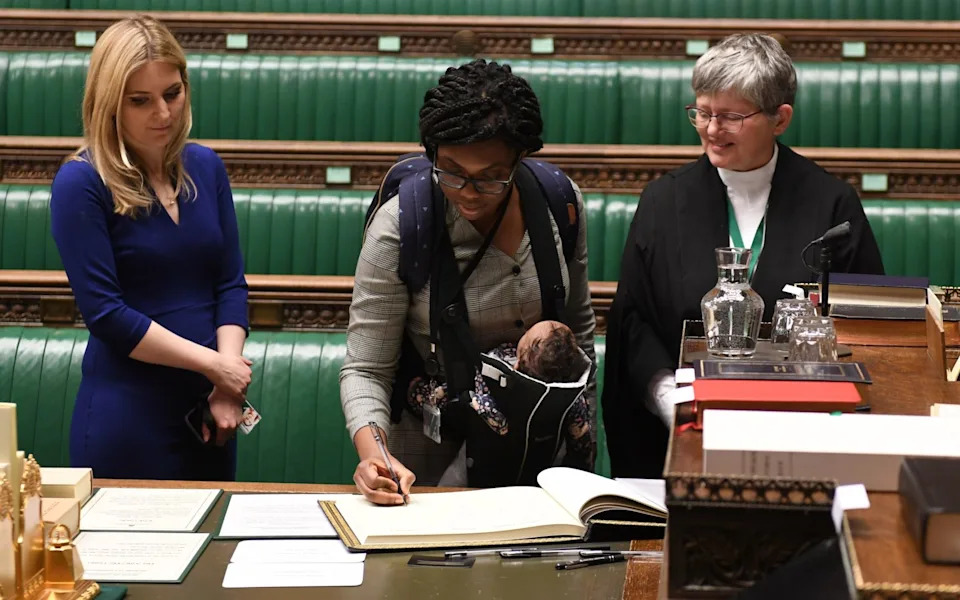
Kemi Badenoch with her newborn baby in the Commons in 2019
Supply Chains and Unintended Consequences
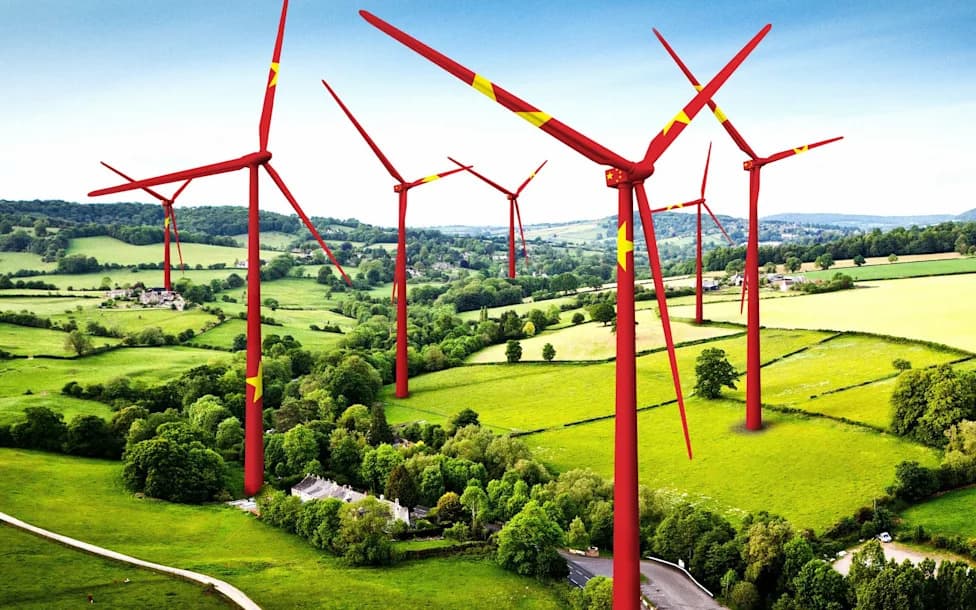
There is also a strategic dimension. Many low‑carbon technologies — including solar panels and battery manufacturing — are currently dominated by China. At the same time, China continues to build coal‑fired power plants at pace. If domestic policy drives up costs and shuts factories, production may simply relocate to countries with higher emissions, producing a net global increase in carbon output and economic dislocation at home.
Moreover, reducing lower‑carbon North Sea production while importing oil and gas with a higher carbon footprint is a policy contradiction that deserves careful scrutiny.
A Different Approach
The best route to cleaner energy, I believe, lies in markets, innovation and competition rather than inflexible deadlines and expanding regulatory apparatus. The Conservative plan I support proposes to:
- Repeal and replace the Climate Change Act to remove rigid targets that can undermine prosperity and energy security;
- Abolish the Carbon Tax to lower wholesale electricity prices by around a third;
- Deliver a Cheap Power Plan projected to cut a typical household electricity bill by about £165 and save the average restaurant roughly £5,100;
- Invest in new nuclear capacity and back domestic North Sea oil and gas to bolster energy security;
- Prioritise resilience measures — flood defences, biodiversity and natural‑environment investment — alongside cleaner energy goals;
- Put British energy security first, pursuing power that is clean, cheap, abundant and secure.
Conclusion
Questioning the design and delivery of net‑zero policy is not the same as denying climate change. It is a demand for policies that are effective, affordable and honest. If the UK wants to lead on decarbonisation, it must combine environmental ambition with realistic plans, secure supply chains and an economic framework that protects businesses and households.
Kemi Badenoch is leader of the Conservative Party.
Help us improve.