The FCC announced on July 28 a new restriction on certain foreign‑made "advanced robotic devices," a category that appears to include many consumer robot vacuums such as Roombas. The rule covers devices that weigh more than 4.4 pounds and can navigate, sense their environment, or use Bluetooth/Wi‑Fi/cellular connections. The Verge reported the FCC confirmed Roombas fall under the definition; iRobot was acquired in January by Shenzhen Picea Robotics, which operates facilities in China and Vietnam. The ban would apply only to newly manufactured imports — existing devices in homes are not prohibited — and regulators are expected to clarify enforcement and specific exemptions.
Are Roombas Caught Up In The FCC’s New Ban On Foreign‑Made Robots?
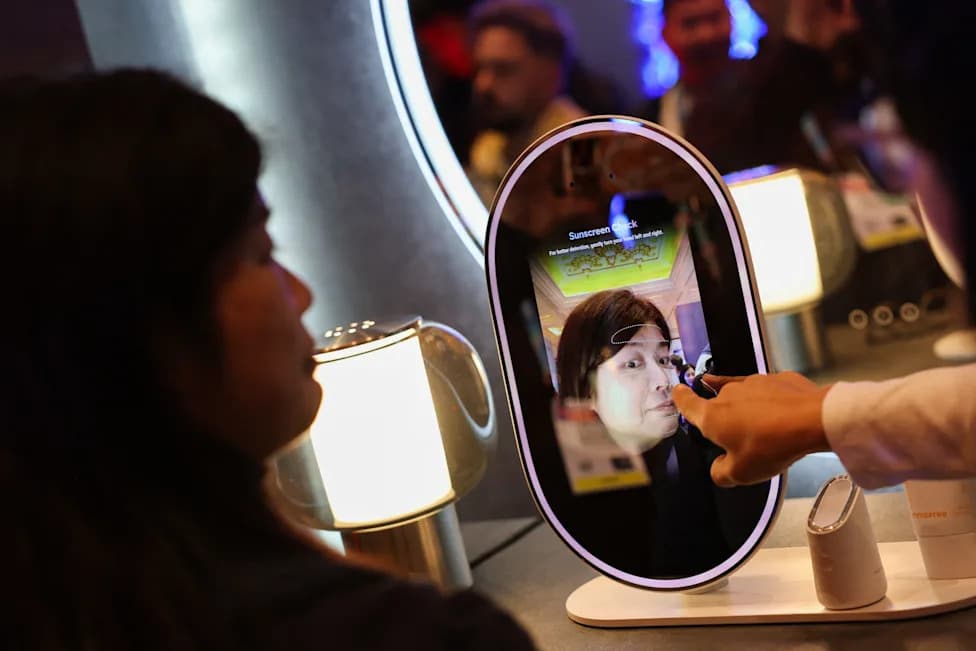
The Samsung AI Beauty Mirror is demonstrated for applying sunscreen and makeup during the Samsung Electronics First Look event ahead of the Consumer Electronics Show (CES) in Las Vegas, Nevada on January 4, 2026.(PATRICK T. FALLON, AFP via Getty Images)
The U.S. Federal Communications Commission (FCC) on July 28 issued a rule restricting certain foreign‑made "advanced robotic devices" it says could pose national‑security and supply‑chain risks. Consumer robot vacuums such as Roombas appear to fall within the agency’s updated definition, potentially affecting newly manufactured units imported into the United States.
What the FCC Definition Covers
Advanced robotic devices are defined by the FCC as mechanical mobile devices that can move on the ground and perform locomotion, obstacle avoidance, navigation or other movement without continuous human control. To meet the rule’s threshold, a device must:
- Weigh more than 4.4 pounds (2 kg), and
- Operate at a distance from a human operator, and
- Include at least one of the following: environmental sensors, Bluetooth/Wi‑Fi/cellular connectivity, or software that controls navigation (for example, firmware or a machine‑learning model).
By these criteria, many household robot cleaners — including numerous Roomba models — appear to be covered.
Why Roombas May Be Affected
iRobot introduced the Roomba in 2002 as an American brand, but the company was acquired in January by Shenzhen Picea Robotics. Picea operates development and manufacturing facilities in China and Vietnam, according to the company announcement. Technology outlet The Verge reported that Katie Gorscak, the FCC’s media relations director, confirmed Roombas are included under the updated rule; the FCC did not immediately respond to a USA TODAY request for comment on July 30.
Who Is Impacted — And Who Isn’t
The FCC’s action would apply only to new units manufactured abroad after the rule takes effect; it does not criminalize or ban robots already owned by consumers. Most major consumer robot vacuum brands are produced overseas: Dyson is headquartered in Singapore, many Shark products are built in China and Vietnam, Roborock is based in Beijing, and Ecovacs operates in Suzhou, China. There are U.S. producers such as Matic, but their robotic vacuums typically carry a much higher price tag (for example, a Matic model with dock is listed around $1,245) compared with many Roomba models priced roughly $200–$700.
Rationale And Next Steps
In its news release, the FCC said the ban targets foreign‑made advanced robotic devices because of supply‑chain vulnerabilities that could disrupt the U.S. economy and potential cybersecurity risks to American infrastructure. Regulators, retailers and manufacturers are likely to seek clarifications about which specific models and imports are affected, how exemptions (if any) will work, and how enforcement will be implemented.
Note: If you own a robot vacuum already, it is not suddenly illegal under this rule. The primary impact would be on newly manufactured units made outside the U.S.
Reported by Greta Cross, USA TODAY. Story tip? Email [email protected].
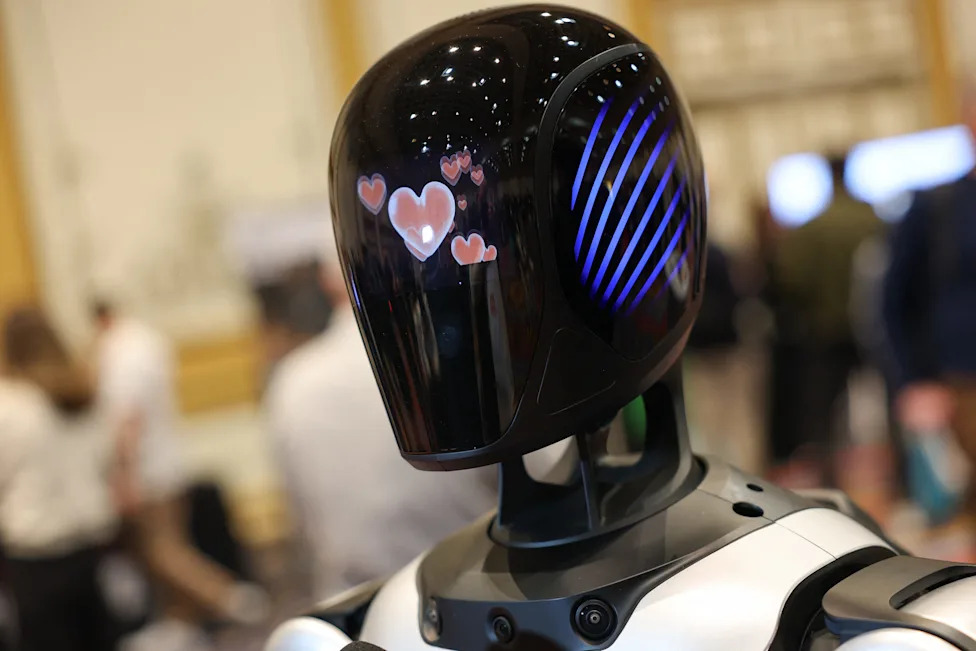
The Agibot A2 humanoid robot is demonstrated during Pepcom ahead of the annual Consumer Electronics Show (CES) in Las Vegas, Nevada on January 5, 2026.(PATRICK T. FALLON, AFP via Getty Images)
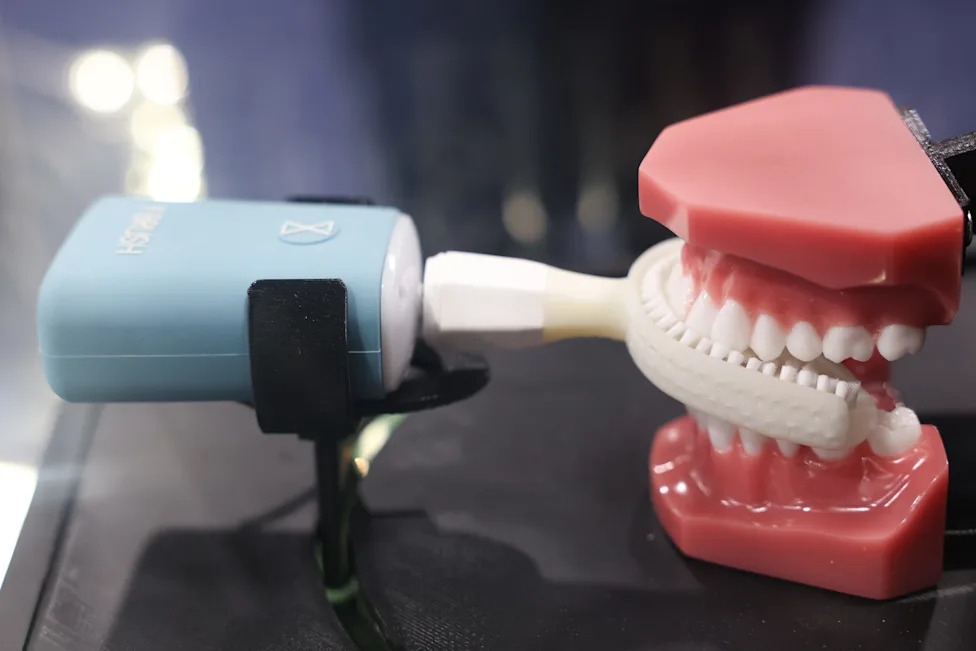
The Y-Brush, an electric toothbrush, is displayed during CES Unveiled ahead of the Consumer Electronics Show (CES) in Las Vegas, Nevada on January 4, 2026.(PATRICK T. FALLON, AFP via Getty Images)
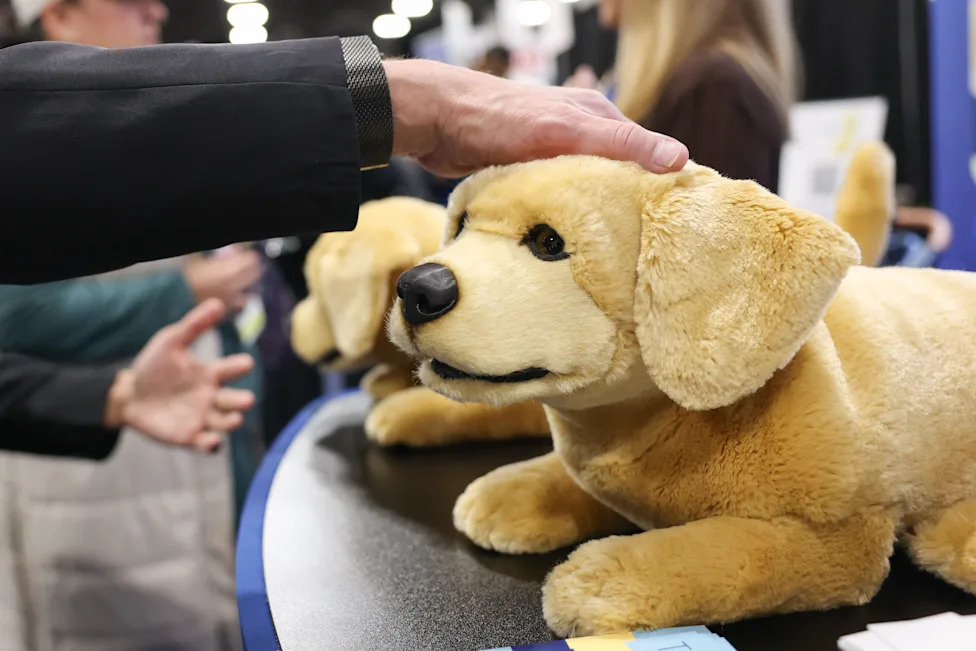
The Tombot Inc. hyper-realistic autonomous dog robot companion for the elderly and those unable to have a living pet dog is demonstrated during CES Unveiled ahead of the Consumer Electronics Show (CES) in Las Vegas, Nevada on January 4, 2026.(PATRICK T. FALLON, AFP via Getty Images)
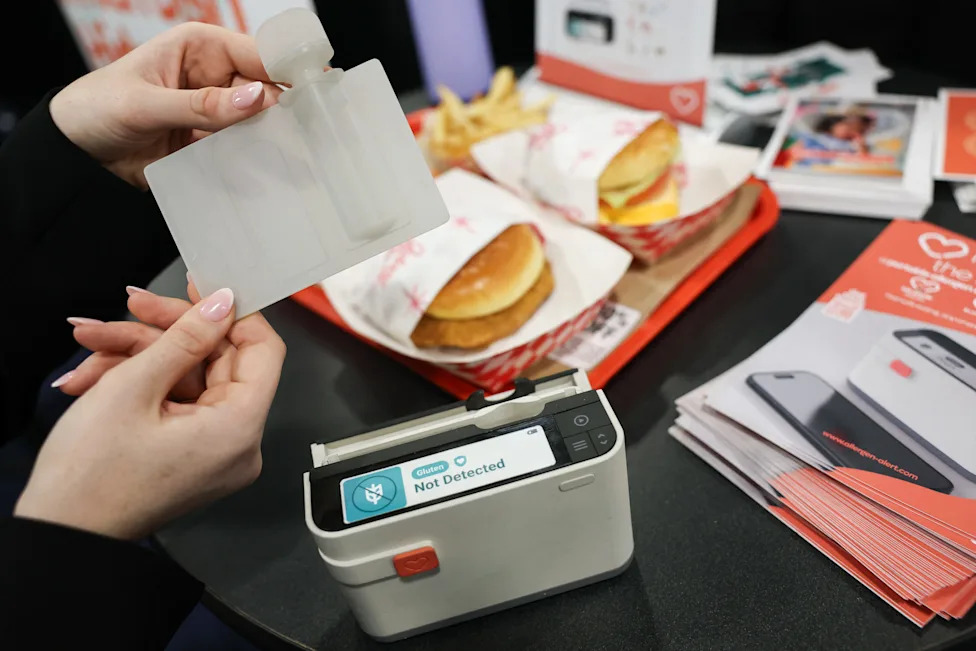
A model of the Allergen Alert mini lab for the portable testing of food for allergens including gluten and milk is displayed during CES Unveiled ahead of the Consumer Electronics Show (CES) in Las Vegas, Nevada on January 4, 2026.(PATRICK T. FALLON, AFP via Getty Images)
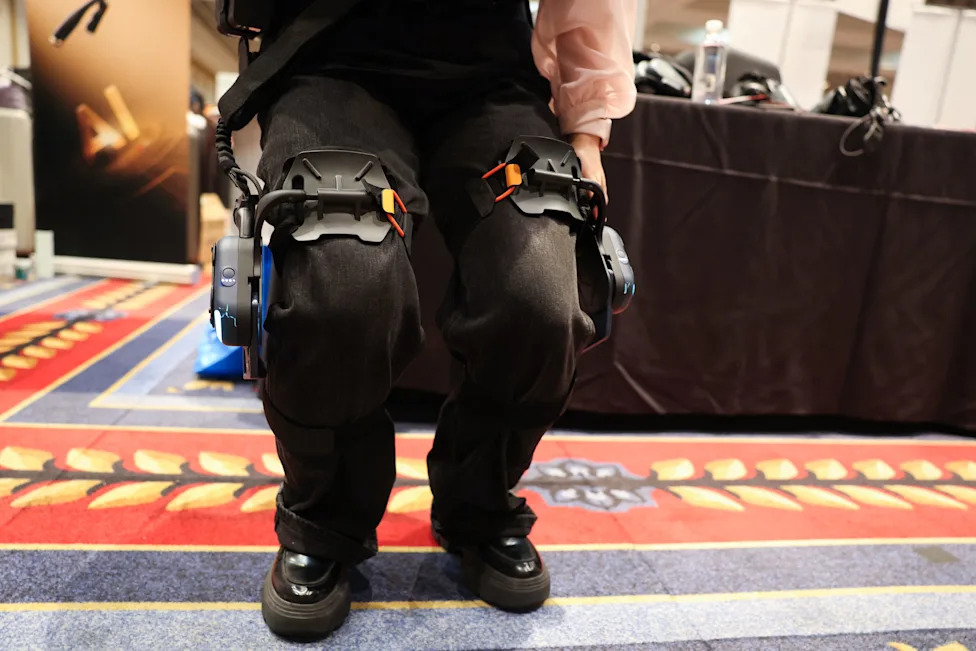
The dnsys BootSuit Z1 knee exoskeleton is displayed during Pepcom ahead of the annual Consumer Electronics Show (CES) in Las Vegas, Nevada on January 5, 2026.(PATRICK T. FALLON, AFP via Getty Images)
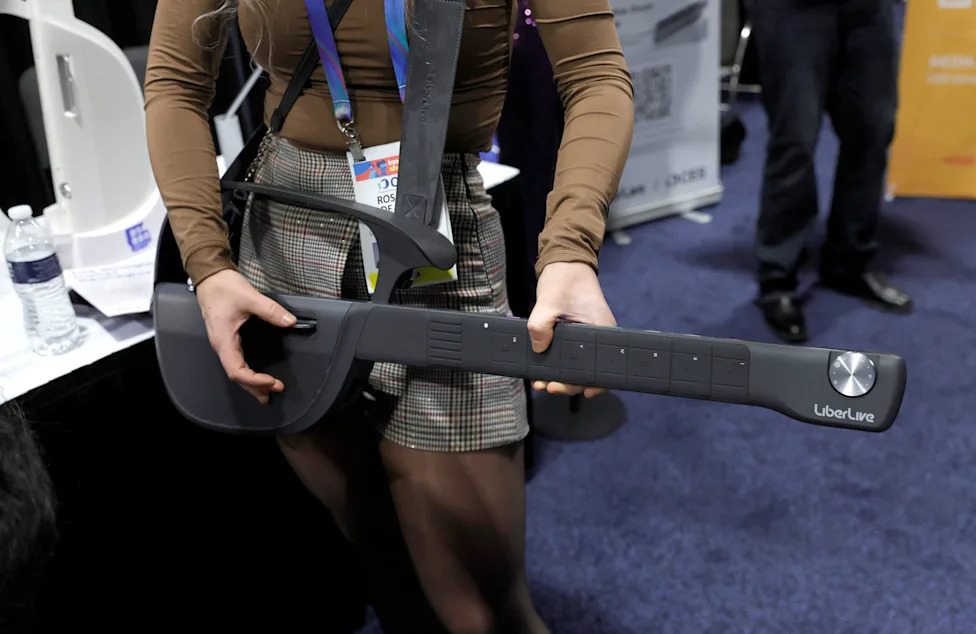
An attendee tries out a stringless LiberLive C2 guitar during CES Unveiled at CES 2026, an annual consumer electronics trade show, in Las Vegas, Nevada, U.S. January 4, 2026.(Steve Marcus, REUTERS)
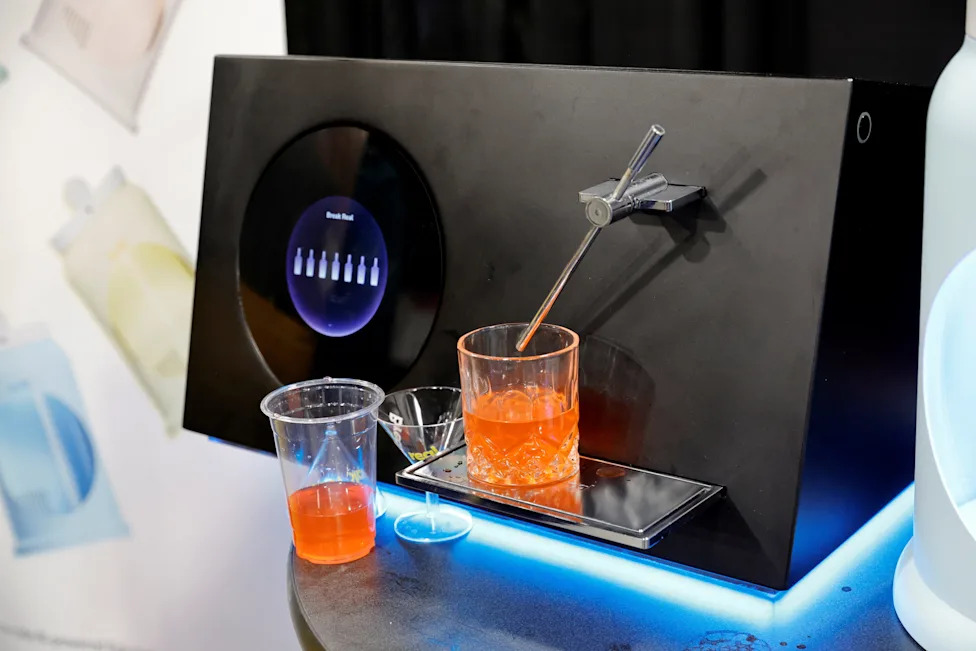
A Breakreal R1, an AI-powered cocktail maker, is displayed during CES Unveiled at CES 2026, an annual consumer electronics trade show, in Las Vegas, Nevada, U.S. January 4, 2026.(Steve Marcus, REUTERS)
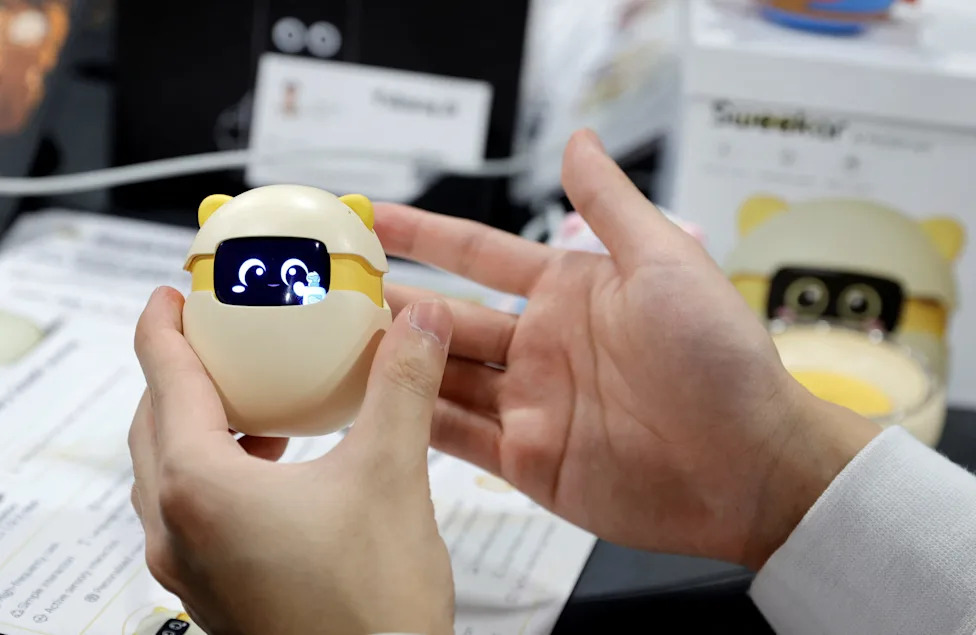
A Sweekar, an AI pocket pet, is displayed during CES Unveiled at CES 2026, an annual consumer electronics trade show, in Las Vegas, Nevada, U.S. January 4, 2026.(Steve Marcus, REUTERS)
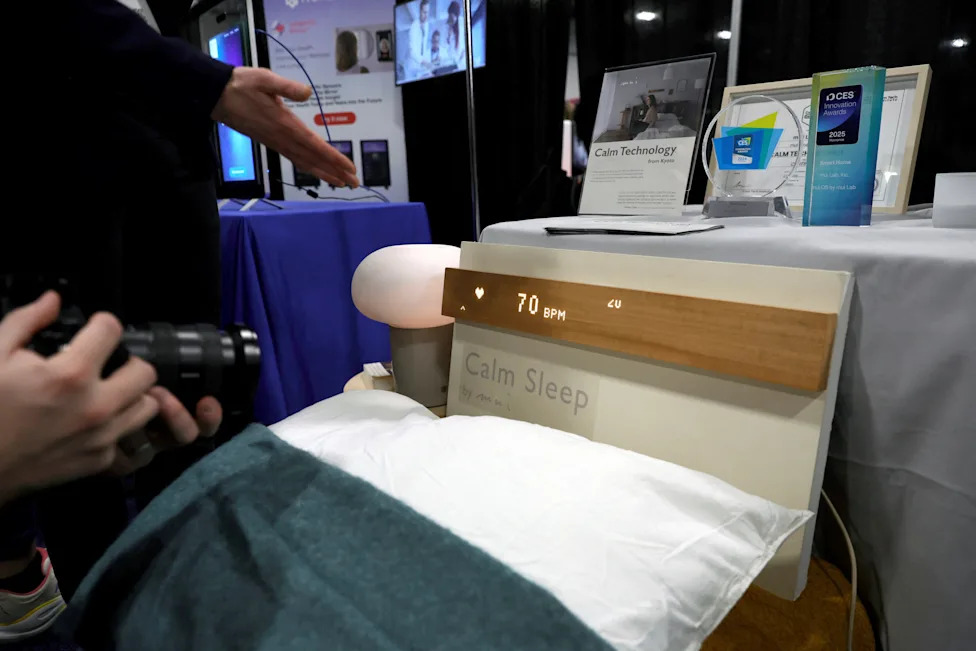
A prototype Calm Technology sleep-tracking board by mui Lab is displayed during CES Unveiled at CES 2026, an annual consumer electronics trade show, in Las Vegas, Nevada, U.S. January 4, 2026.(Steve Marcus, REUTERS)
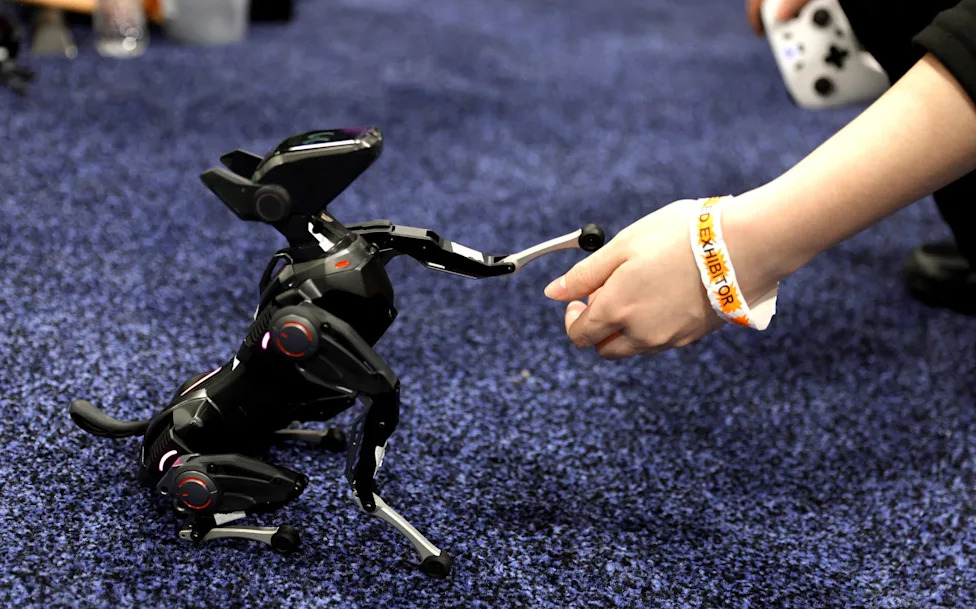
An exhibitor shakes hands with a robotic dog in the Hengbot Innovation booth during CES Unveiled at CES 2026, an annual consumer electronics trade show, in Las Vegas, Nevada, U.S. January 4, 2026.(Steve Marcus, REUTERS)
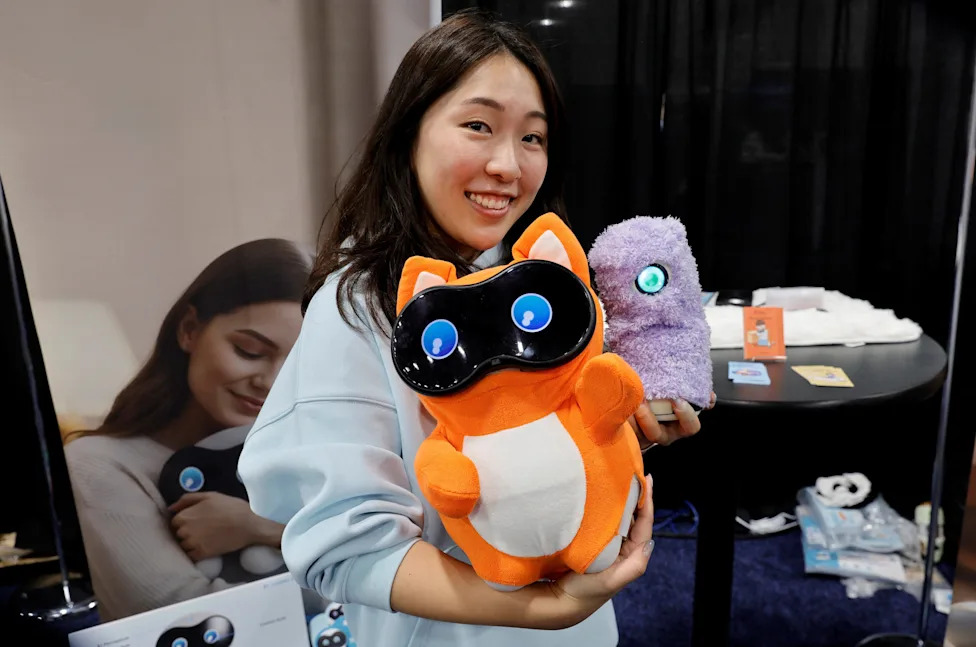
An exhibitor poses with robotic pets Cocomo, with AI evolving personality and memory, and Inu, a desktop alien pup, at the Ludens AI booth during CES Unveiled at CES 2026, an annual consumer electronics trade show, in Las Vegas, Nevada, U.S. January 4, 2026.(Steve Marcus, REUTERS)
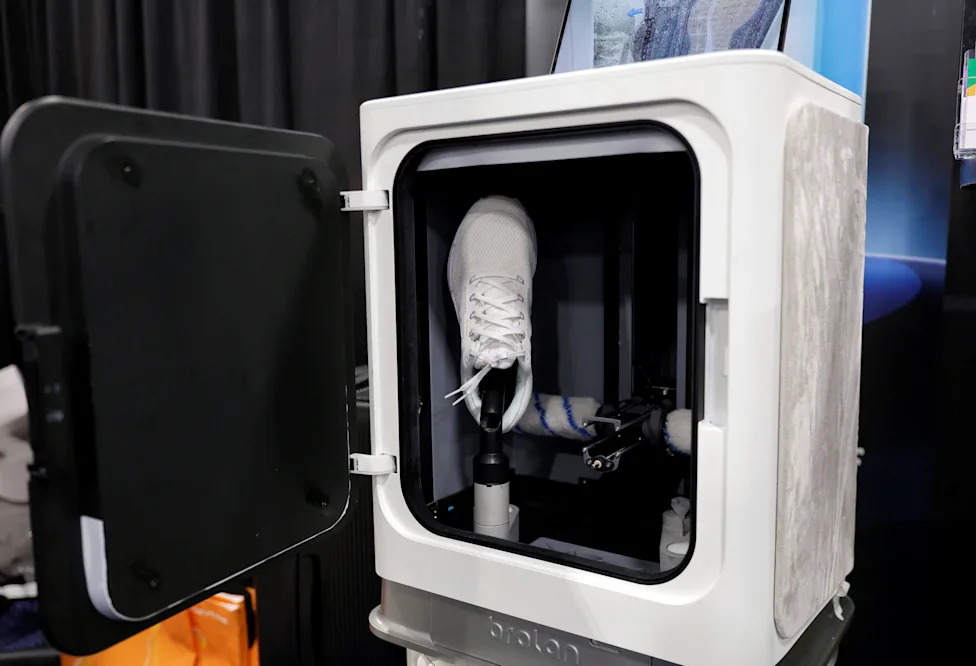
A Brolan shoe cleaning robot is displayed during CES Unveiled at CES 2026, an annual consumer electronics trade show, in Las Vegas, Nevada, U.S. January 4, 2026.(Steve Marcus, REUTERS)
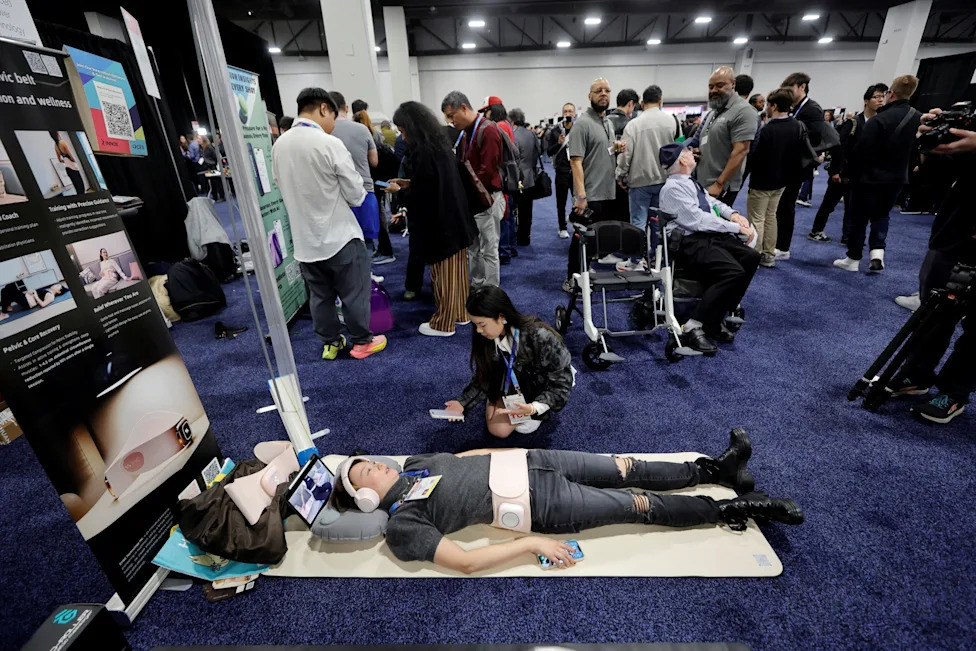
An attendee tries out a an AI-powered smart pelvic belt, for breath meditation, core activation, and pelvic health training, during CES Unveiled at CES 2026, an annual consumer electronics trade show, in Las Vegas, Nevada, U.S. January 4, 2026.(Steve Marcus, REUTERS)
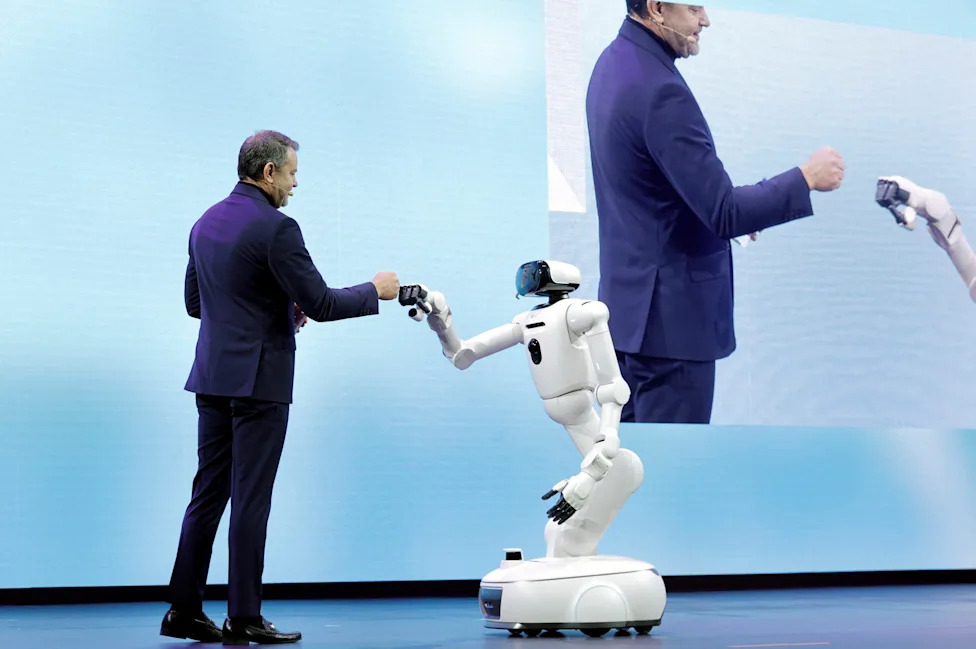
Steve Scarbrough, an eco solution sales with LG North America, fist bumps with the LG CLOiD robot during an LG Electronics news conference at CES 2026, an annual consumer electronics trade show, in Las Vegas, Nevada, U.S. January 5, 2026.(Steve Marcus, REUTERS)
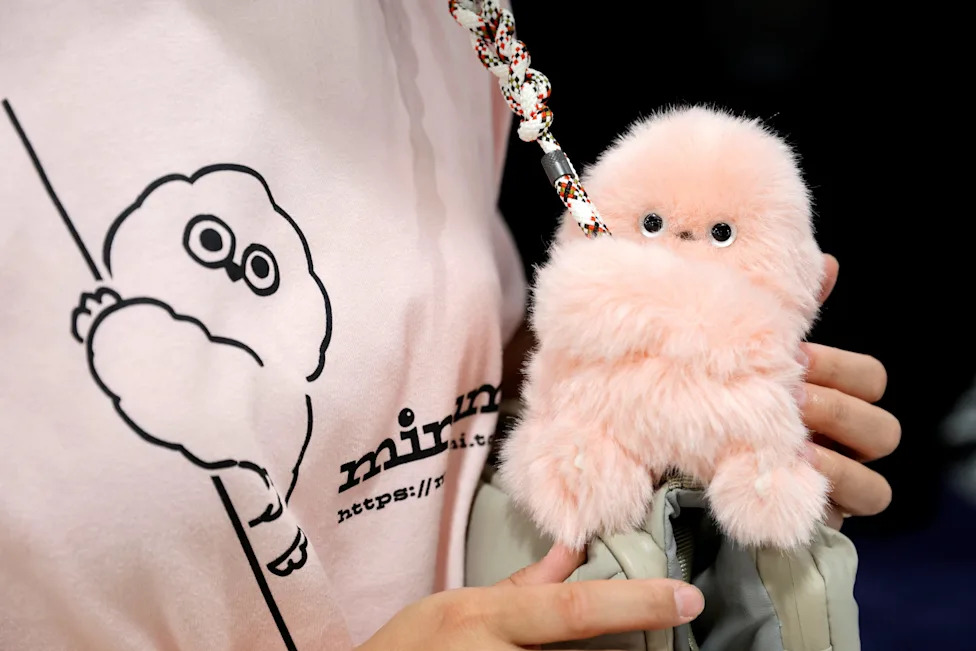
A Mirumi companion robot is displayed during CES Unveiled at CES 2026, an annual consumer electronics trade show, in Las Vegas, Nevada, U.S. January 4, 2026.(Steve Marcus, REUTERS)
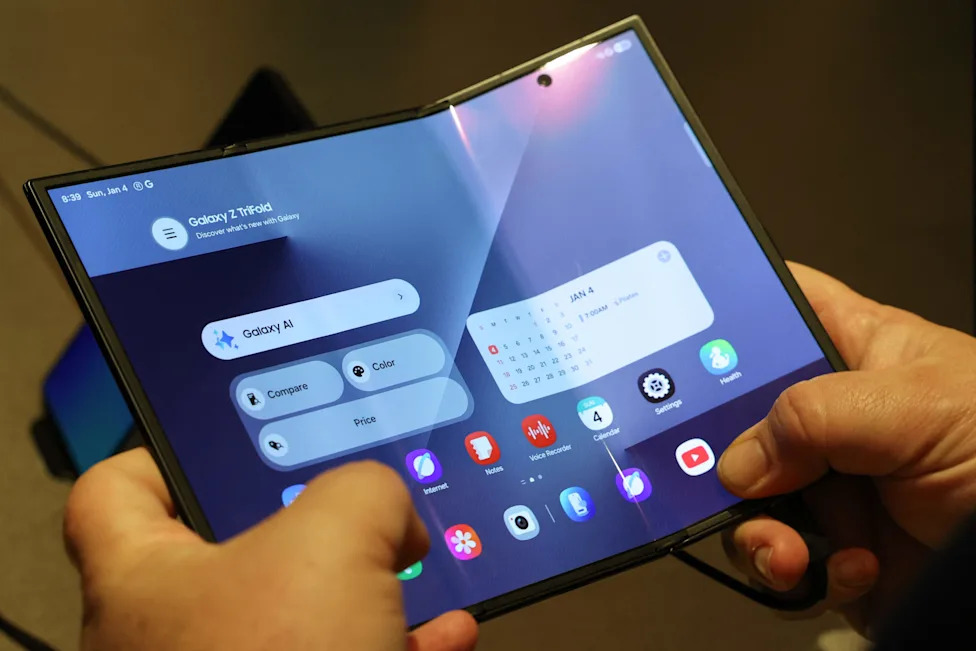
An attendee folds the display of the Samsung Galaxy Z TriFold smart phone during the Samsung Electronics First Look event ahead of the Consumer Electronics Show (CES) in Las Vegas, Nevada on January 4, 2026.(PATRICK T. FALLON, AFP via Getty Images)
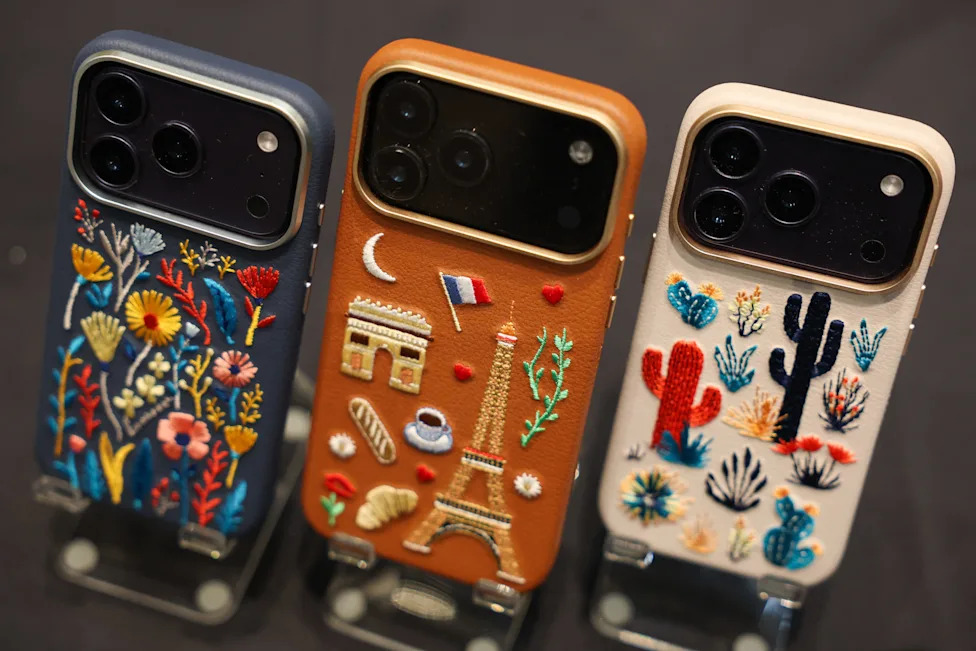
The Otterbox Symmetry Series Cactus Leather with Embroidery made with sustainably harvested organic nopal cactus is displayed during Pepcom ahead of the annual Consumer Electronics Show (CES) in Las Vegas, Nevada on January 5, 2026.(PATRICK T. FALLON, AFP via Getty Images)
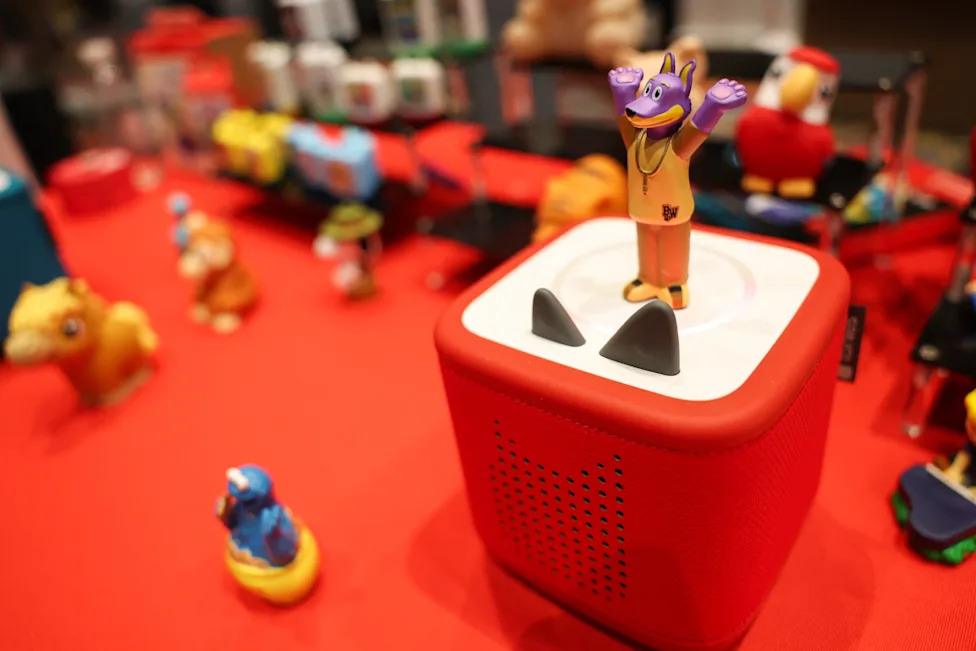
The Tonies Toniebox 2 children's screen-free interactive game and music box is displayed during Pepcom ahead of the annual Consumer Electronics Show (CES) in Las Vegas, Nevada on January 5, 2026.(PATRICK T. FALLON, AFP via Getty Images)
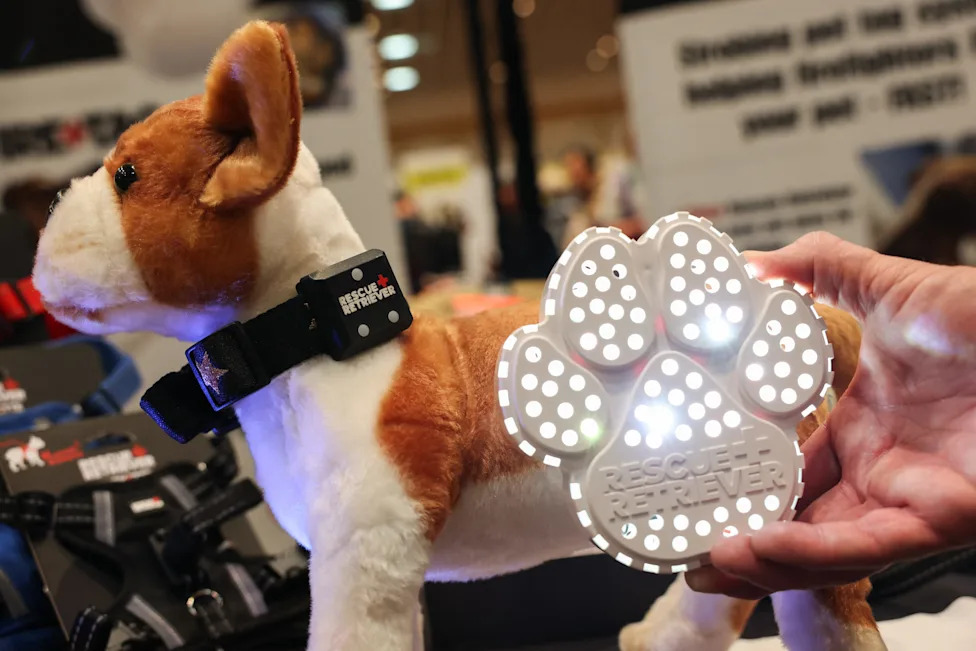
The Rescue Retriever Pet Smoke Detector, featuring a silent strobing smoke detector to help firefighters find pets in fires, is demonstrated during Pepcom ahead of the annual Consumer Electronics Show (CES) in Las Vegas, Nevada on January 5, 2026.(PATRICK T. FALLON, AFP via Getty Images)
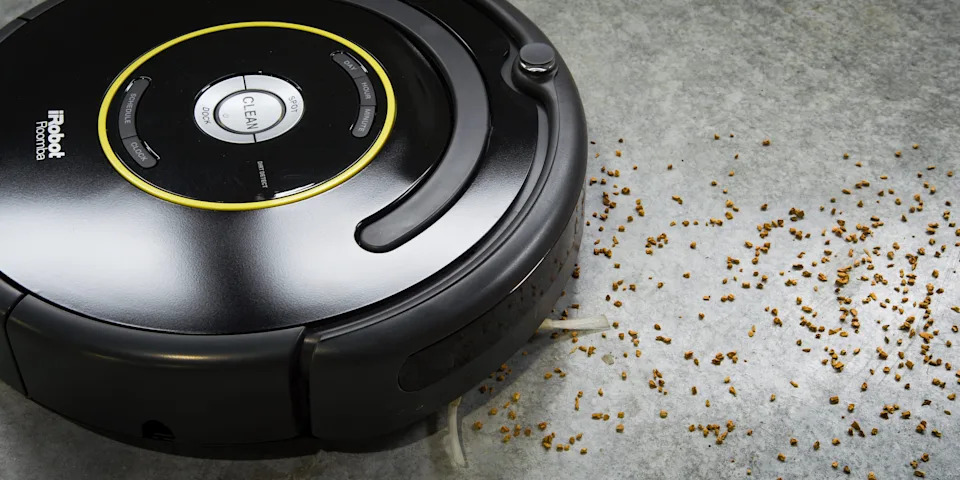
An iRobot Roomba 650 Hero 1 picks up dirt on the floor.
Help us improve.