Hot nights are costing people in many U.S. cities dozens of hours of sleep each year. An analysis of Climate Central data finds the average person loses about 56 hours globally to heat annually, with roughly 6 hours driven by human-caused warming. Ten U.S. cities — mainly in Florida and Texas — lose between 62 and 80 hours per person per year to nighttime heat, increasing risks for diabetes, heart disease, cancer and drowsy-driving fatalities.
Nighttime Heat Is Stealing Sleep: 10 U.S. Cities Losing Up to 80 Hours a Year

Photo by Andrea Piacquadio on Pexels
Temperatures have climbed rapidly in recent decades, and a growing body of research shows hotter nights are now undermining sleep and public health. An analysis of Climate Central data by Climate Crisis 247 finds that residents in many U.S. cities lose dozens of hours of sleep each year because of warm nighttime temperatures — with a portion of that loss directly tied to human-caused climate change.
Key findings: The global average person loses about 56 hours of sleep per year to high temperatures, roughly 6 hours of which are attributable to human-driven warming. In the U.S., 10 cities — primarily in Florida and Texas — see average annual nighttime heat–related sleep losses ranging from 62 to 80 hours. In some cities up to 8 hours of that annual loss is linked to climate change.
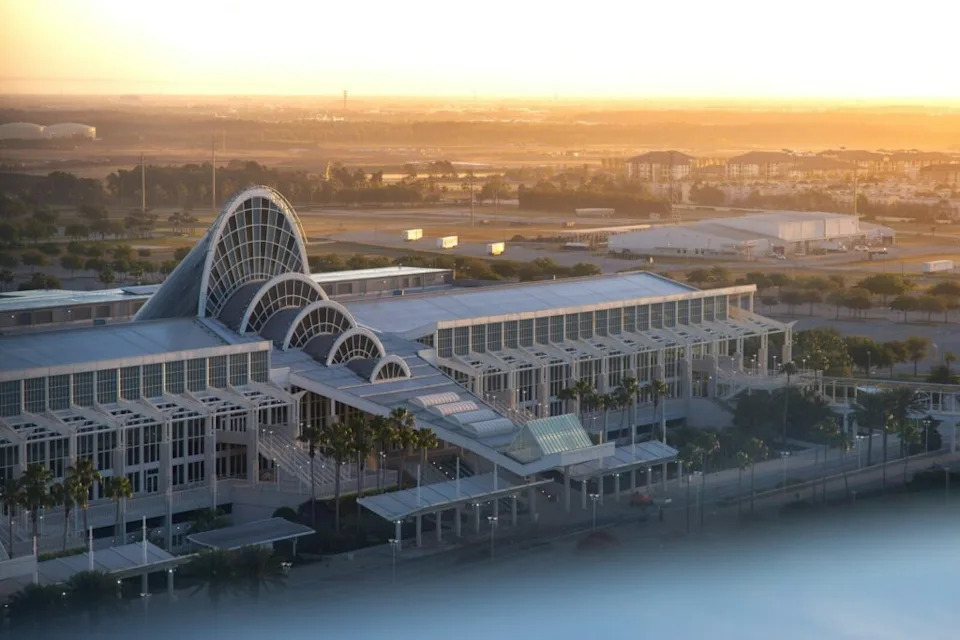
Photo byBill HamwayonUnsplash
Medical research identifies an optimal bedroom temperature range around 60–67°F for sleep. Yet in the cities below, typical summer nights rarely fall below 74°F, a temperature that can substantially reduce sleep quality. Chronic sleep deprivation is associated with higher rates of depression, anxiety, impaired cognition, and serious physical-health risks: Johns Hopkins researchers report that insufficient sleep can roughly triple the risk of developing Type 2 diabetes and increase risks of heart disease and colorectal cancer by about 48% and 36%, respectively. Drowsy driving also remains a major safety concern, linked to an estimated 6,000 fatal crashes annually in the U.S.
Data sources: Climate Central (sleep-loss estimates for 2020–2025), Climate Crisis 247 (ranking of 252 U.S. cities), NOAA 1991–2020 summer norms, and U.S. Census county-level air-conditioning figures.
10. Orlando, Florida
Avg. annual sleep loss (2020–2025): 62 hours per person — 8 hours attributable to climate change.
1970–1975: 55 hours (2 hours from climate change).
Local summer norms: 83.0°F daily avg (91.5°F high, 74.6°F low).
Households without AC (Orange County): 2,042 (0.4%).
9. Corpus Christi, Texas
Avg. annual sleep loss (2020–2025): 64 hours — 5 hours from climate change.
1970–1975: 59 hours (1 hour from climate change).
Local summer norms: 84.4°F daily avg (93.4°F high, 75.4°F low).
Households without AC (Nueces County): 1,178 (0.9%).
8. Laredo, Texas
Avg. annual sleep loss (2020–2025): 64 hours — 7 hours from climate change.
1970–1975: 58 hours (2 hours from climate change).
Local summer norms: 88.5°F daily avg (100.1°F high, 76.9°F low).
Households without AC (Webb County): 478 (0.6%).
7. Tampa, Florida
Avg. annual sleep loss (2020–2025): 64 hours — 7 hours from climate change.
1970–1975: 57 hours (2 hours from climate change).
Local summer norms: 83.6°F daily avg (90.9°F high, 76.3°F low).
Households without AC (Hillsborough County): 2,276 (0.4%).
6. Sarasota, Florida
Avg. annual sleep loss (2020–2025): 65 hours — 7 hours from climate change.
1970–1975: 59 hours (2 hours from climate change).
Local summer norms: 82.8°F daily avg (90.8°F high, 74.7°F low).
Households without AC (Sarasota County): 1,025 (0.5%).
5. McAllen, Texas
Avg. annual sleep loss (2020–2025): 66 hours — 6 hours from climate change.
1970–1975: 61 hours (2 hours from climate change).
Local summer norms: 87.0°F daily avg (97.6°F high, 76.4°F low).
Households without AC (Hidalgo County): 1,840 (0.7%).
4. Fort Myers, Florida
Avg. annual sleep loss (2020–2025): 69 hours — 7 hours from climate change.
1970–1975: 62 hours (2 hours from climate change).
Local summer norms: 83.0°F daily avg (91.4°F high, 74.5°F low).
Households without AC (Lee County): 961 (0.3%).
3. Honolulu, Hawaii
Avg. annual sleep loss (2020–2025): 80 hours — 5 hours from climate change.
1970–1975: 76 hours (2 hours from climate change).
Local summer norms: 81.4°F daily avg (87.9°F high, 74.8°F low).
Households without AC (Honolulu County): 124,374 (36.9%).
2. Miami, Florida
Avg. annual sleep loss (2020–2025): 80 hours — 6 hours from climate change.
1970–1975: 74 hours (2 hours from climate change).
Local summer norms: 83.7°F daily avg (90.2°F high, 77.2°F low).
Households without AC (Miami-Dade County): 6,748 (0.7%).
1. West Palm Beach, Florida
Avg. annual sleep loss (2020–2025): 80 hours — 7 hours from climate change.
1970–1975: 73 hours (2 hours from climate change).
Local summer norms: 82.6°F daily avg (89.4°F high, 75.9°F low).
Households without AC (Palm Beach County): 2,989 (0.5%).
What This Means And How To Respond
Nighttime heat can erode sleep quality even where most households have air conditioning; the problem is most acute where nights remain warm and where AC access or efficiency is limited. Solutions include improving building insulation, expanding access to affordable cooling, adopting urban heat–mitigation strategies (tree cover, cool roofs) and encouraging behavioral steps like using fans, breathable bedding, and scheduling cooling before bedtime.
Bottom line: Hot nights are a growing public-health threat. Reducing greenhouse gas emissions and investing in cooling equity and urban heat reduction will both protect sleep and prevent many downstream health harms.
Help us improve.