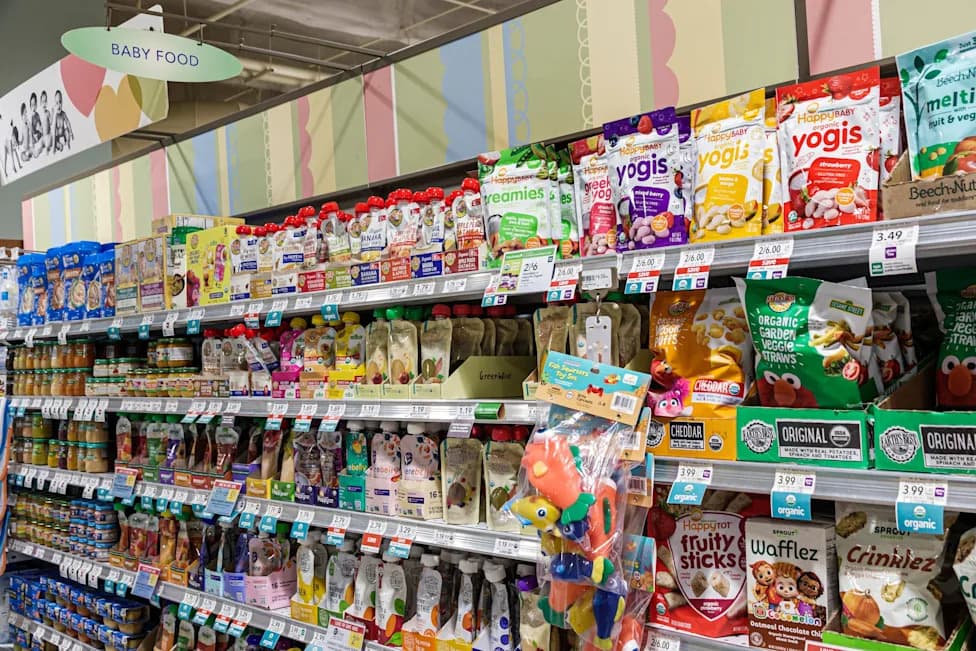
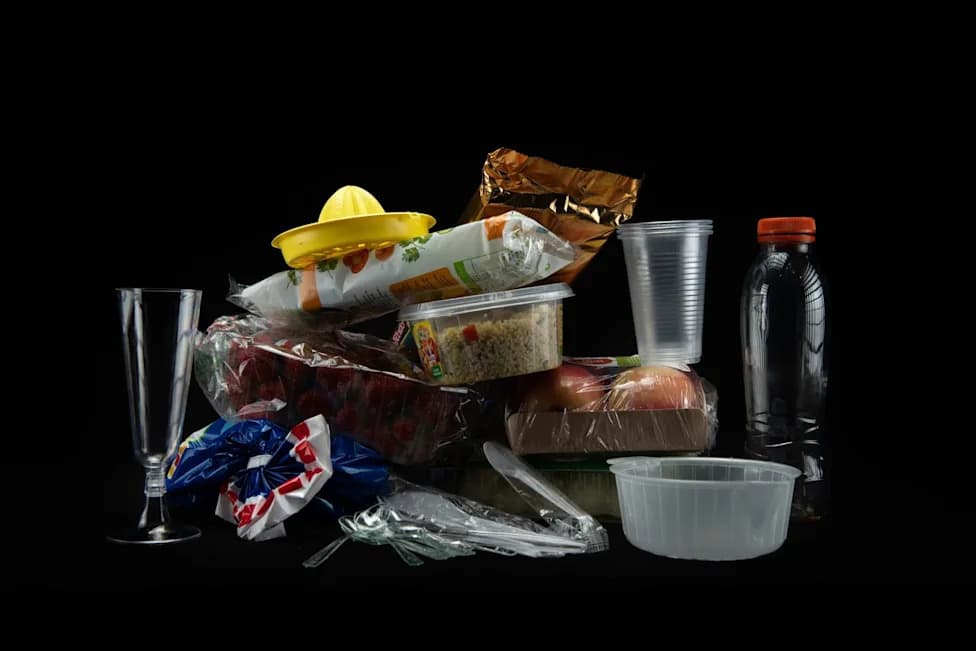
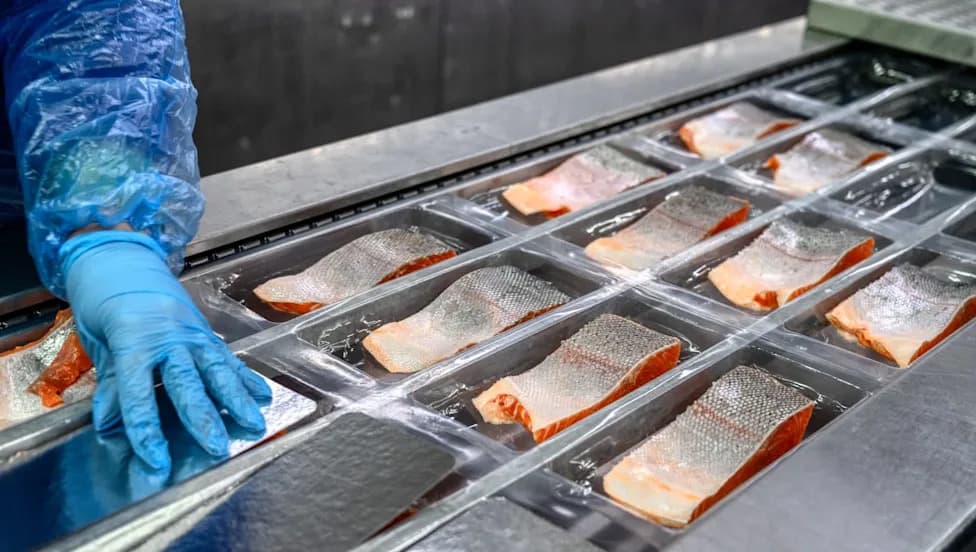
An audit of 2,783 packaged toddler products from 21 Austin grocery stores found that 81% are ultra-processed and 49% fail at least one WHO nutrient standard for children aged 6–36 months. The study reported exceedances for sugar (17%), sodium (25%), fat (11%) and low energy density (12%), with common offenders including fruit pouches and snack puffs. Infant formula, beverages and purees were excluded. Researchers and experts say clearer front-of-pack labels could help parents choose healthier options.
Study: 81% Of Grocery-Store Toddler Foods Are Ultra-Processed — Nearly Half Fail WHO Nutrient Standards
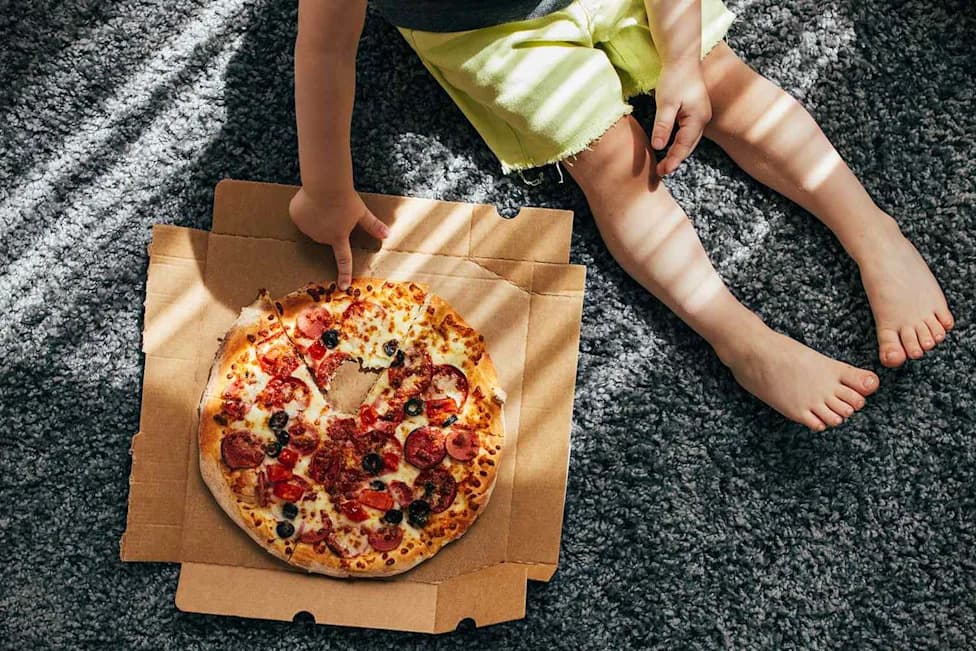
A young boy eating pizza (stock image)Credit: Getty
A new retail audit has found that a large majority of packaged foods marketed for children aged 6–36 months on grocery shelves are ultra-processed, and almost half fail to meet at least one World Health Organization (WHO) nutrient recommendation for toddlers.
Researchers catalogued 2,783 packaged products labeled for babies and young toddlers from 21 grocery stores across Austin, Texas. Using the NOVA classification system, they determined that about 81% of items were ultra-processed. Nearly 49% of products failed to meet at least one WHO nutrient threshold for this age group.
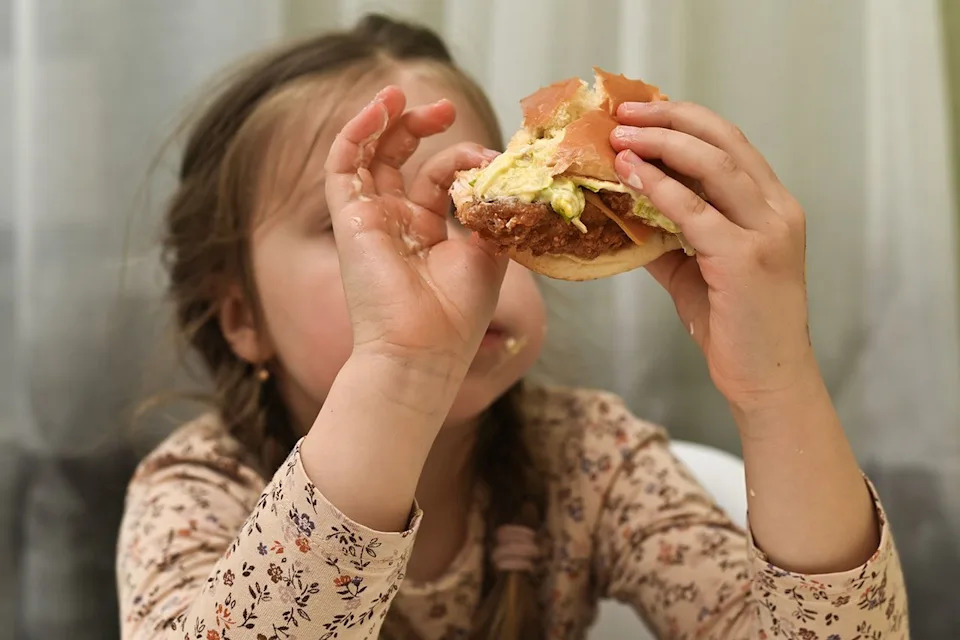
A young girl eating a burger (stock image)Credit: Getty
Measured against WHO guidance, the audit found that 17% of products exceeded recommended sugar levels, 25% exceeded sodium limits, 11% failed on fat content, and 12% did not meet recommended energy density. Common offenders included fruit pouches, macaroni and cheese, turkey sticks, oat bars, cheese puffs and peanut-butter puffs.
“Many parents may assume that products sold on the baby/toddler food aisles of their grocery stores have to meet certain nutrient standards. Our findings highlight that half of the toddler foods available in local grocery stores do not,” said lead author Erin A. Hudson, a PhD candidate at The University of Texas at Austin.
The researchers excluded infant formula, beverages and purees—items often introduced as first foods—from their sample, focusing instead on packaged, shelf-stable items parents encounter while shopping. The team noted that auditing store shelves does not capture the full range of foods families may offer at home.
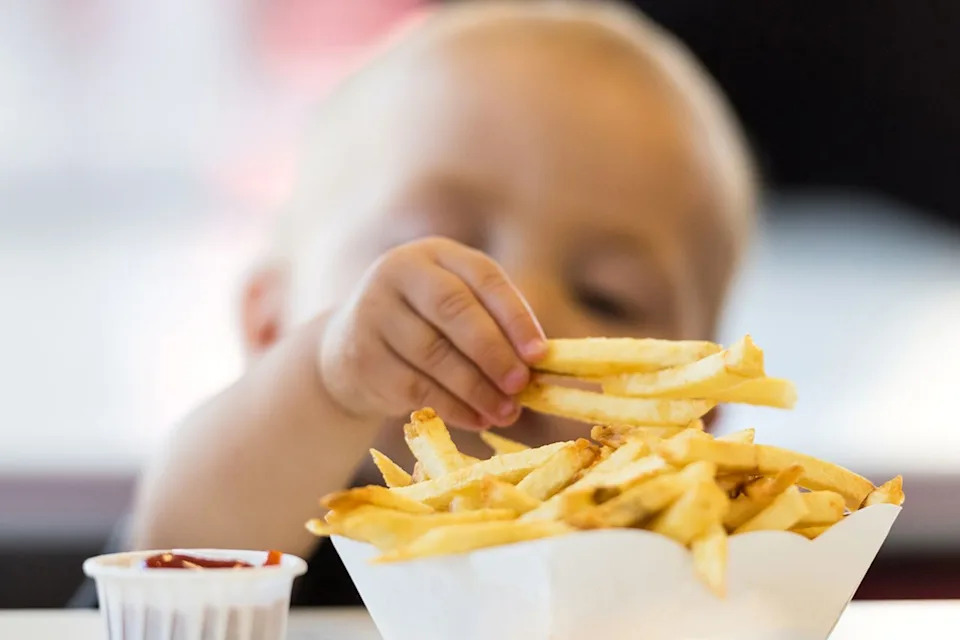
A child eating French fries (stock image)Credit: Getty
The WHO Nutrient and Promotion Profile Model stresses the importance of the first 1,000 days for growth and development and warns that high sugar content increases the risk of tooth decay and fosters long-term preferences for sweet foods. The model also states that products high in salt and fat but low in energy density do not meet toddlers’ nutritional needs.
In the United States there is currently no requirement for warning labels on foods high in sugar, sodium or calories. Last year the U.S. Food and Drug Administration (FDA) proposed a front-of-pack nutrition label for most packaged foods that would indicate whether amounts of saturated fat, sodium and added sugars are “low,” “medium” or “high.”
“Warning labels on products exceeding nutrient thresholds could help parents navigate the toddler food environment and might encourage manufacturers to reformulate these products,” Hudson said.
Practical takeaways for parents: Read ingredient lists and the Nutrition Facts panel, prioritize whole and minimally processed foods, limit frequent use of snack pouches and highly processed snacks, and consult a pediatrician or registered dietitian for personalized guidance.
While this audit highlights concerns about many packaged toddler foods on U.S. grocery shelves, it also underscores the potential value of clearer front-of-pack labeling to help caregivers make quicker, more informed choices at the store.
Help us improve.