Six rhinos orphaned by poaching and removed from Ezemvelo KZN Wildlife reserves around 2017 were rehabilitated for about four to five years and released into KwaZulu‑Natal. After veterinary care, long‑term rehabilitation and post‑release monitoring, all six have now given birth in the wild. Officials say the success shows orphaned animals can recover and help rebuild wild populations when conservation programmes receive sustained support and broad collaboration.
From Orphans to Mothers: Six Rhinos Rehabilitated After Poaching Now Raising Calves in the Wild
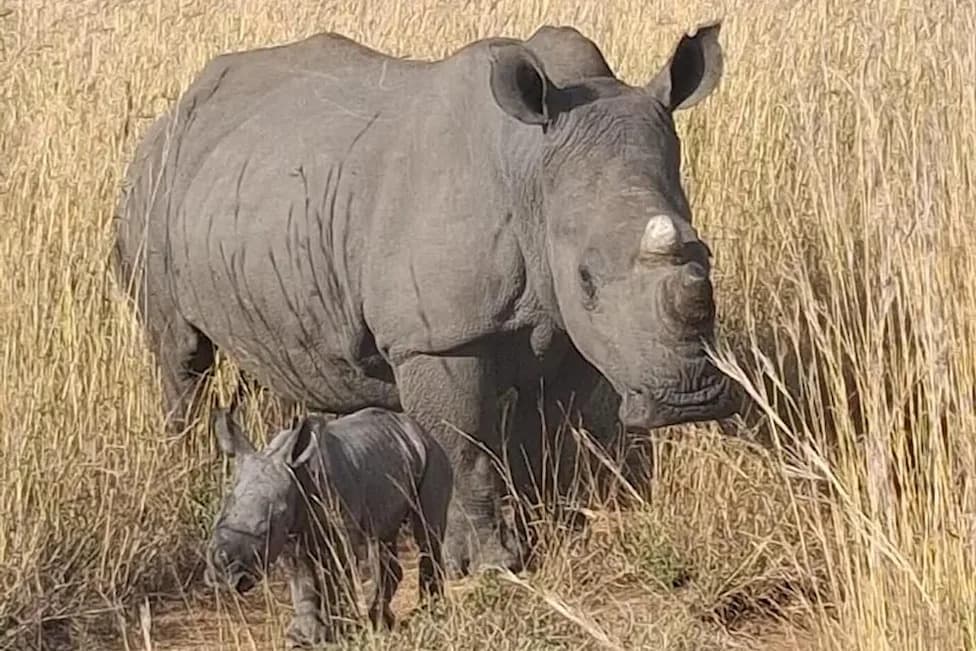
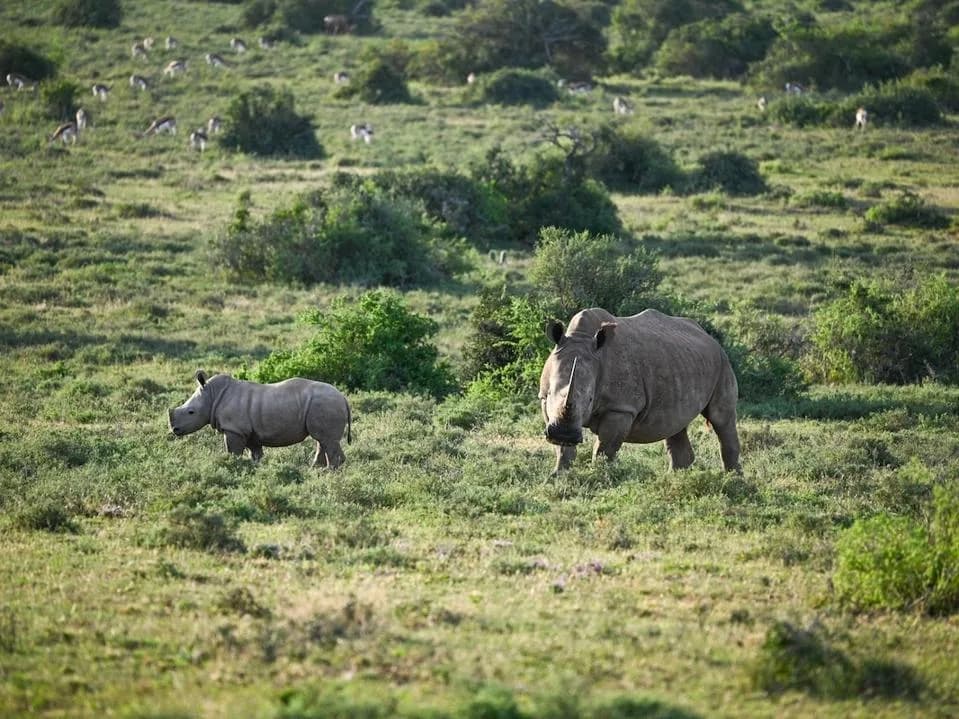
Photo Credit: Ezemvelo KZN Wildlife
Six rhinos in South Africa that lost their mothers to poaching as young animals have been successfully rehabilitated and have now given birth in the wild, conservation officials report. The animals were removed from Ezemvelo KZN Wildlife reserves around 2017, cared for in specialist facilities, and later released back into KwaZulu‑Natal.
When rescued, these individuals were among those most exposed and traumatized by poaching. Each received veterinary treatment, lengthy rehabilitation and ongoing monitoring as part of a structured recovery programme designed to prepare them for life back in the wild.
After years of coordinated work by veterinarians, reserve staff, rehabilitation teams and partner organisations, all six rhinos have produced calves in their natural habitat. Conservationists say the births demonstrate that orphaned animals can recover, adapt to natural conditions and contribute to rebuilding depleted populations when given sustained support.
“Orphaned rhinos remain in rehabilitation for about four to five years, until they are ready to be released back into the wild,” said Dumisani Zwane, Ezemvelo's Game Capture and Veterinary Manager, speaking to The Witness.
The outcome highlights what long‑term, well‑resourced conservation efforts can achieve. Protecting emblematic species such as rhinos helps safeguard ecosystems and the natural heritage local communities rely on, while healthy wildlife populations also support conservation‑linked tourism and local economies.
Ezemvelo's Game Capture and Veterinary Unit oversees the full care pathway: rescue, veterinary treatment, rehabilitation, release and post‑release monitoring. The authority credited broad collaboration for making the effort possible, saying the programme depended on cooperation across government bodies, private rhino orphanages and conservation groups to meet the substantial costs of long‑term care.
“Rehabilitating rhinos has proven to be a true conservation success,” Zwane added. “With the right intervention, orphaned rhinos can return to the wild after time spent in captivity, breed naturally, and contribute to South Africa's wild rhino population.”
Behind each calf are years of dedicated work and funding. The story offers a hopeful example for other species recovery programmes and underscores the value of sustained investment in wildlife crime response, rehabilitation and cross‑sector collaboration.
Help us improve.