The 525-foot training ship State of Maine has arrived in Castine to join Maine Maritime Academy’s waterfront, offering hands-on training for up to 600 cadets with advanced navigation, engineering systems and classrooms. Built at Hanwha Philly Shipyard by more than 2,000 American workers, the vessel reflects a broader $5 billion investment by Hanwha to expand U.S. shipbuilding capacity. The ship now shares the harbor with the 1921 schooner Bowdoin, symbolizing the academy’s blend of traditional seamanship training and modern maritime technology.
State of Maine Training Ship Arrives in Castine, Blending High-Tech Training With Seafaring Tradition
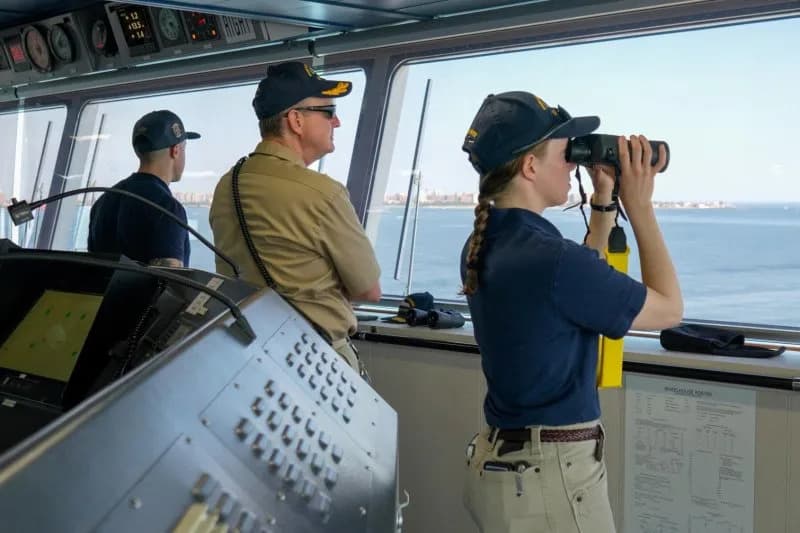
Captain Gordon "Mac" MacArhtur looks out from the State of Maine's bridge with two students. Photo courtesy of Maine Maritime Academy
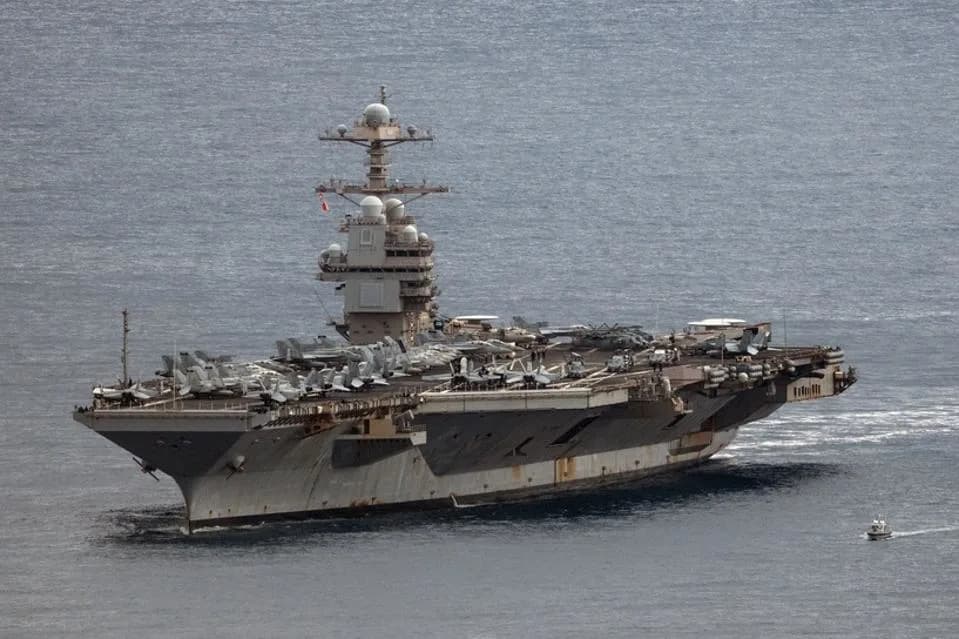
CASTINE, Maine — The training ship State of Maine, a $330 million, 525-foot National Security Multi-Mission Vessel, has docked in historic Castine as Maine Maritime Academy prepares a new generation of merchant mariners for a rapidly changing industry.
Modern Vessel, Modern Mission
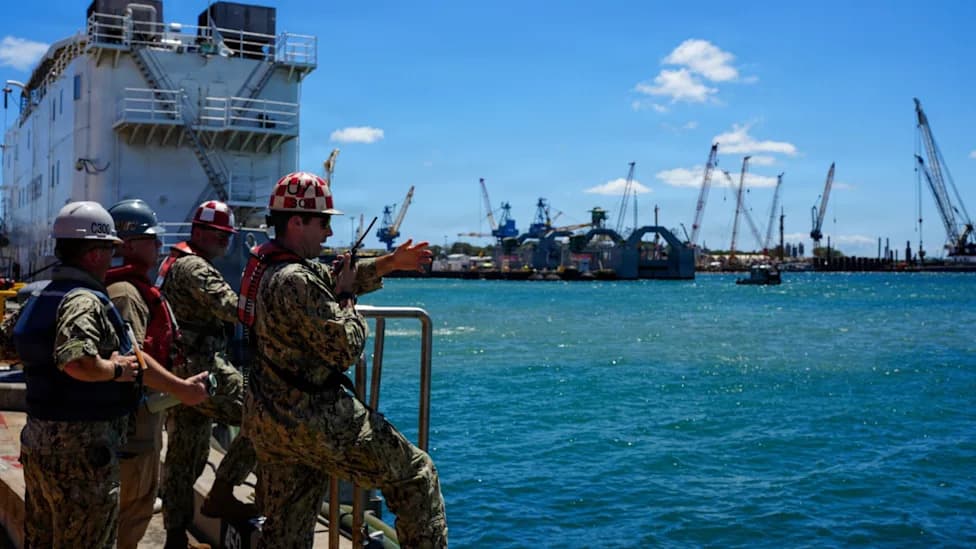
The third of five vessels commissioned by the U.S. Maritime Administration, the State of Maine is designed to carry up to 600 cadets and is equipped with advanced navigation and engineering systems, classrooms and modern diesel propulsion. Built at Hanwha Philly Shipyard in Philadelphia, more than 2,000 American shipbuilders, engineers and apprentices contributed to its construction. The yard was acquired by South Korea's Hanwha Group in late 2024, which plans a roughly $5 billion investment to expand U.S. shipbuilding capacity and bring automation and digital manufacturing techniques to the Philadelphia facility.
Training for a High-Tech Maritime Future
While the ship’s bridge features sophisticated communications suites, digital charting and automated ship-control systems, Maine Maritime Academy continues to emphasize fundamental seamanship. Cadets still learn to read weather and sea conditions, row lifeboats, tie knots and work as a crew — skills academy leaders say are essential before relying on technology.
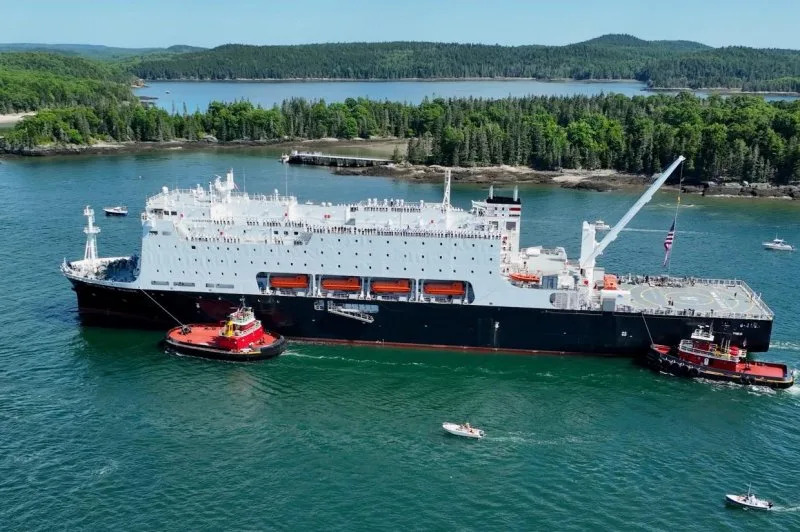
The State of Maine's training ship arrives in Castine, Maine. Photos: courtesy of Maine Maritime Academy
"We start with the basics," said the academy's Captain Gordon "Mac" MacArthur. "Rowing in an eight-person lifeboat is a large part of the fall semester freshman year. We build from tying knots and turning a wrench to the more complicated things. We are training problem-solvers and critical thinkers. The technology-based things don't matter if you don't have those fundamentals."
Tradition Alongside Innovation
The new flagship now shares the waterfront with the schooner Bowdoin, a 1921 National Historic Landmark. Together they symbolize more than a century of maritime education — from wind-powered exploration and celestial navigation to satellite-guided systems and automation.
Close by, Eaton's Boatyard — in continuous operation since 1931 — still builds and repairs wooden boats by hand, preserving skills that generations of mariners learned at the bench. On July 18, 13 Castine Class sloops, including two original boats, raced in Castine Harbor, continuing a nearly 70-year tradition of one-design racing on Penobscot Bay.
Community, Careers and the Changing Sea
Residents and alumni say Castine’s maritime identity remains strong even as the town evolves. David Biggs, honorary chairman of the Castine-to-Camden Yacht Race, praised the town’s continuing traditions. Kenny Eaton, grandson of Castine Class designer Mace Eaton, acknowledged change but stressed the town’s working roots: "You can't stop change. But you hope the next generation understands that Castine wasn't built just because it had a beautiful view of the water. It was built because people worked on it."
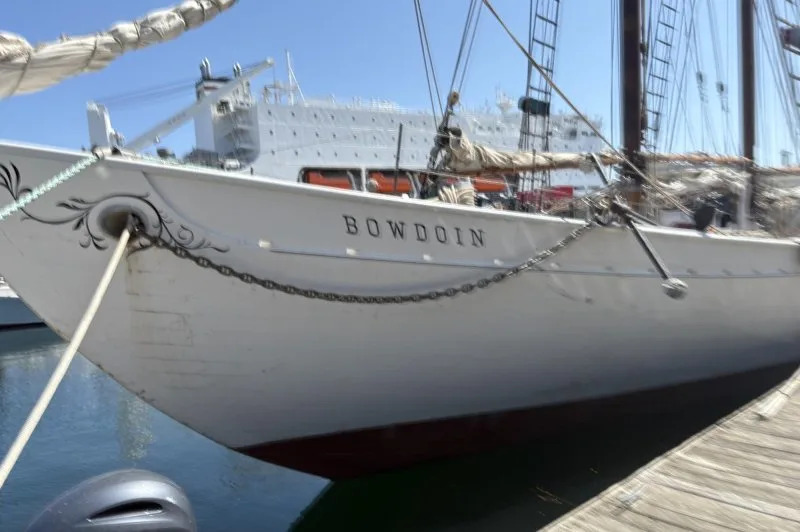
A historic schooner is still in use, as the new Maine Marine Academy training vessel, State of Maine, sits in the background. Photo by James Borton
The academy also points to its global reach. Graduates have worked around the world in commercial shipping, piloting and tanker operations. Retired Navy Capt. Justin Cooper II, the academy's commandant of midshipmen, emphasized leadership training that prepares cadets for high-pressure roles in the global maritime industry.
Industry Pressures and Hope for the Future
Coastal Maine’s maritime trades face pressure from rising costs, technology shifts and a changing marine environment. Veteran fisherman Justin McCarthy said Atlantic bluefin catches and prices have declined, squeezing traditional fisheries. Still, optimism survives in families where younger mariners return home — McCarthy’s son recently graduated from Maine Maritime Academy and returned aboard the State of Maine.
The arrival of the State of Maine underscores a broader story: a community and an academy balancing honored traditions with the technology and scale needed for modern commercial and naval shipping. Together, the new training ship and historic schooner illustrate both continuity and change in Maine’s deep maritime culture.
Photo captions: The State of Maine alongside Bowdoin; ship construction at Hanwha Philly Shipyard. (Photos courtesy of Maine Maritime Academy)
Help us improve.