Conservationists began a tree-sit on July 29 in Lochiel, Arizona, to block contractors from removing the last of four historic cottonwoods believed to be 100–200 years old. Activists and the Center for Biological Diversity say the trees provide critical habitat for birds and rare mammals, including jaguars and ocelots, and that alternative routes for the border barrier should be considered. Homeland Security officials contend the removals are necessary for construction, while protesters remain in the tree to halt further destruction.
Activists Stage Tree Sit to Halt Border Wall Work at Historic Arizona Cottonwood
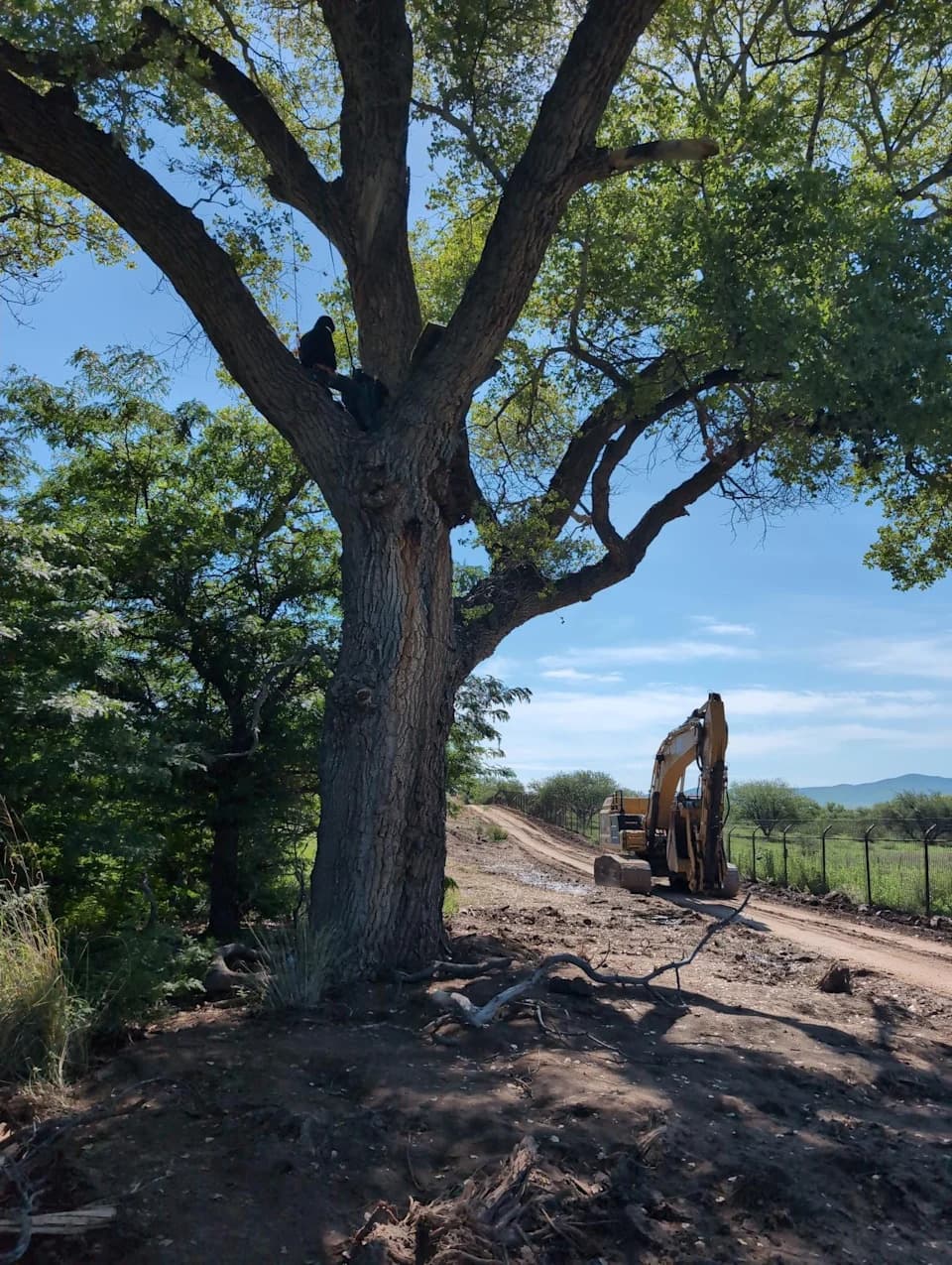
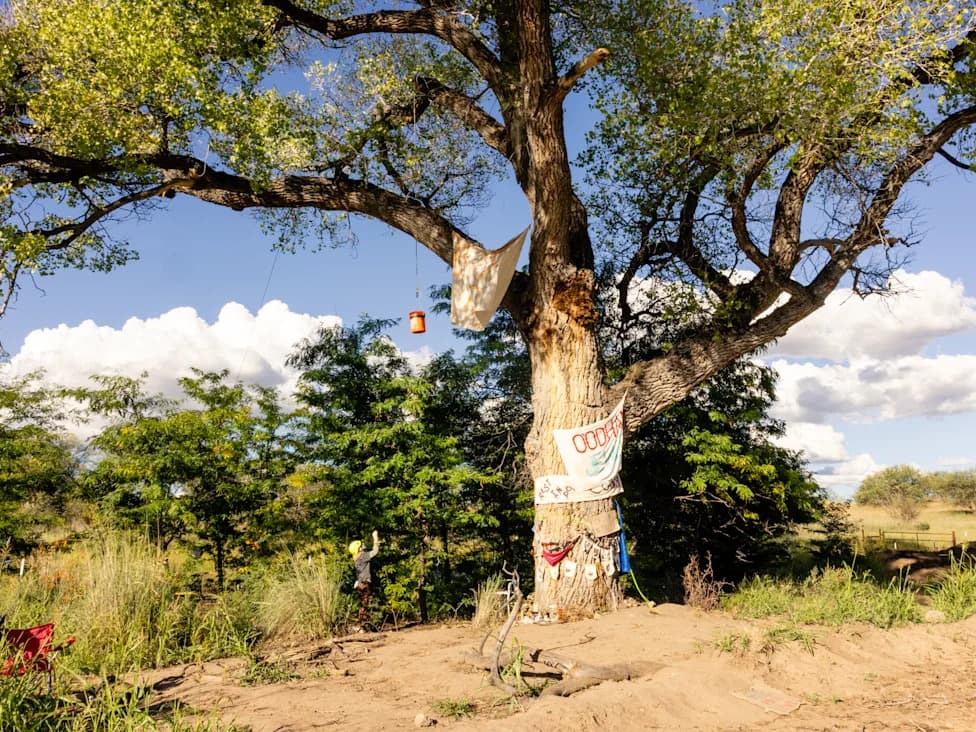
A conservationist climbs into a cottonwood tree in Lochiel, Arizona, that is due to be destroyed for President Donald Trump's border wall.
Conservationists in Lochiel, Arizona, launched a tree-sit on July 29 to block Department of Homeland Security contractors from removing the last remaining historic cottonwood in the area — a towering tree activists say has stood along the U.S.-Mexico border for an estimated 100 to 200 years.
Stand-Off Over A Living Landmark
The cottonwood is reportedly the last of four mature hardwoods in the stretch. Contractors felled one of the other trees on July 27, prompting local activists and conservation groups to rally around the remaining specimen and begin physically occupying its branches to prevent further removal.
Why Conservationists Are Alarmed
Advocates say the cottonwoods are more than historic landmarks: they are vital riparian habitat in an otherwise arid landscape. According to Russ McSpadden of the Center for Biological Diversity, the trees "bring groundwater to the surface," creating corridors and watering points used by wildlife — from birds to rare mammals such as jaguars and ocelots that occasionally cross into the United States.
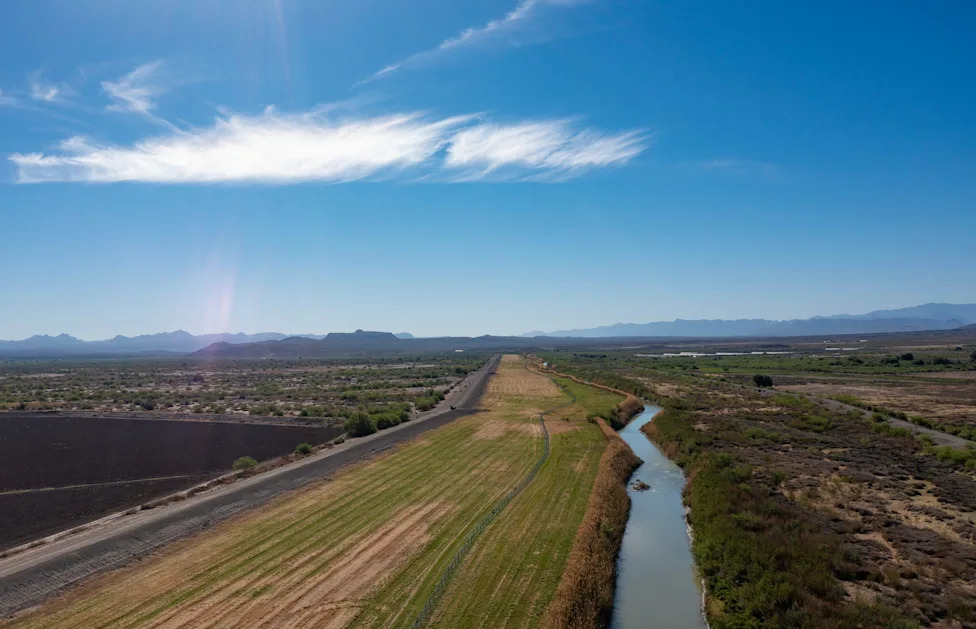
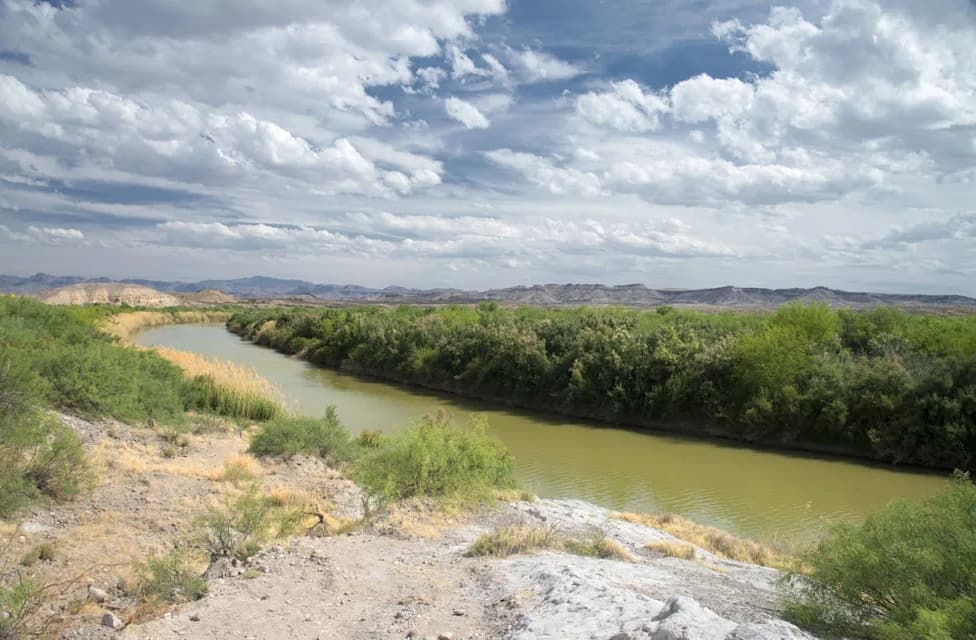
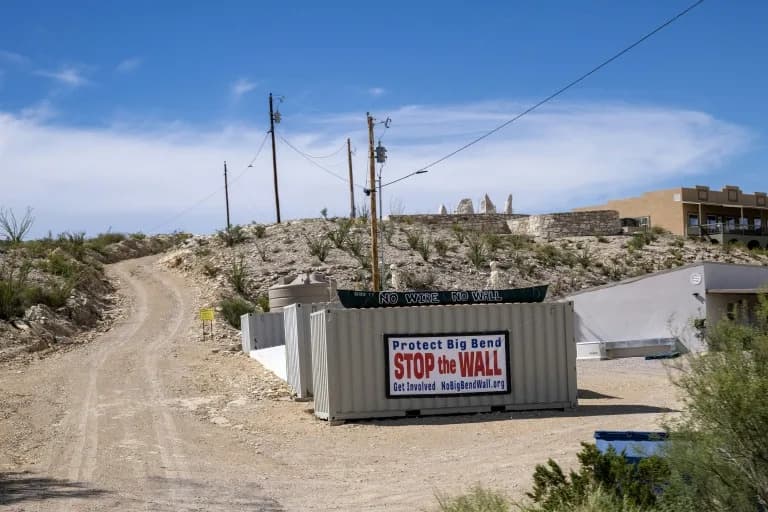
Concertina wire lines the north embankment of the Rio Grande in Presidio, Texas, on March 25, 2026. The river marks the international border between the United States and Mexico. Local landowner Luis Armendariz Spencer, who owns property along the river, says the region does not need a border wall, arguing that the remote terrain and mountains have long deterred illegal crossings.(Omar Ornelas, El Paso Times via USA TODAY Network)
"Destroying these ancient cottonwoods is a death sentence for an entire ecosystem," said Russ McSpadden, a conservation advocate at the Center for Biological Diversity. "These magnificent cottonwoods survived centuries, nourishing wildlife through floods and drought, only to be bulldozed for the Trump administration's disastrous border wall."
Officials' Position and Local Response
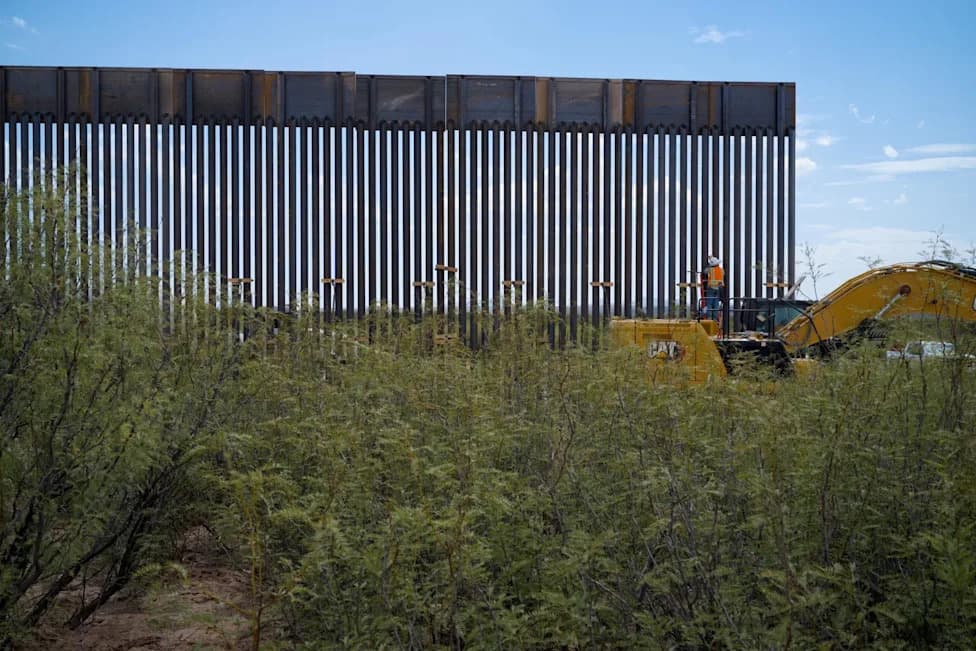
Homeland Security officials have argued the trees must be removed to build a border barrier. Officials have not publicly confirmed whether alternative alignments that would preserve the trees were fully considered. Protesters note the trees can reach roughly 100 feet in height and 50 feet in width, and that at least one was reportedly nesting habitat for the legally protected Cassin's kingbird.
Activists participating in the tree-sit say they plan to remain in the branches for as long as possible to delay or stop further clearing. At least one person was arrested during an earlier protest connected to the tree removals; local authorities had not provided further comment about additional arrests tied to the July 29 action.
Appeals To Officials
In a letter to Homeland Security Secretary Markwayne Mullin, the Center for Biological Diversity warned that "ancient cottonwoods of Lochiel cannot be replaced once they are destroyed" and urged the agency to explore alternatives to prevent further harm to the borderlands landscape.
What’s next: The standoff highlights a larger tension between federal infrastructure plans and conservation priorities, and it underscores how a single tree can become a focal point for broader debates about habitat protection, public access and border policy.
Help us improve.