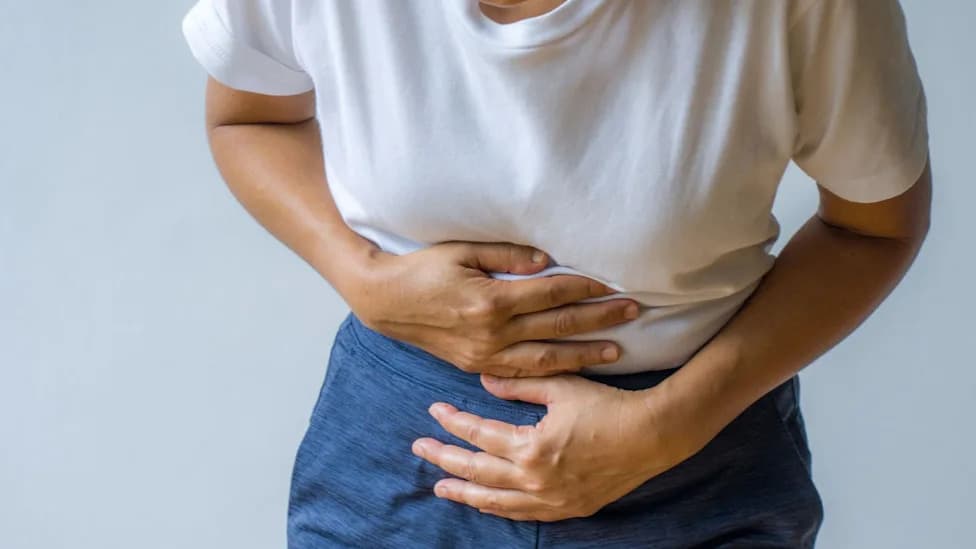
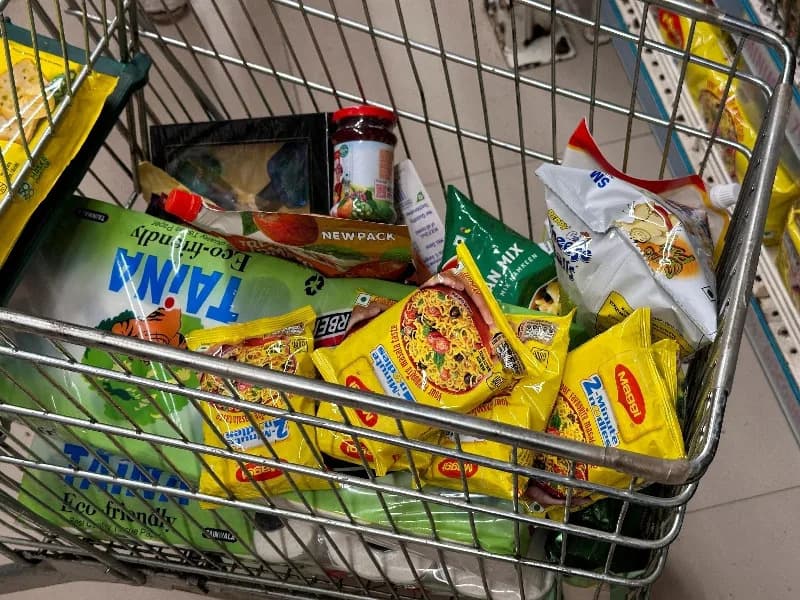
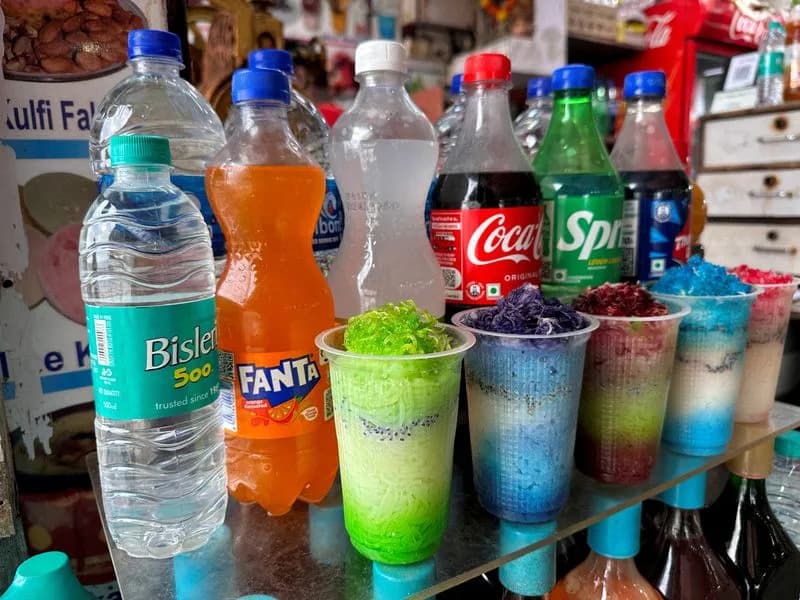
The Department of Health and the Food Standards Agency have opened a consultation on banning multibuy promotions and restricting placement of foods high in fat, sugar and salt in Northern Ireland. The proposals — which also target free refills of sugary drinks and online placement — mirror rules already in England and Wales and aim to reduce rising obesity (around 65% of adults have excess weight). Critics warn that without measures to make healthy food more affordable, low-income households may be disadvantaged.
Should Multibuy Deals On Unhealthy Foods Be Banned In Northern Ireland? Public Consultation Launched
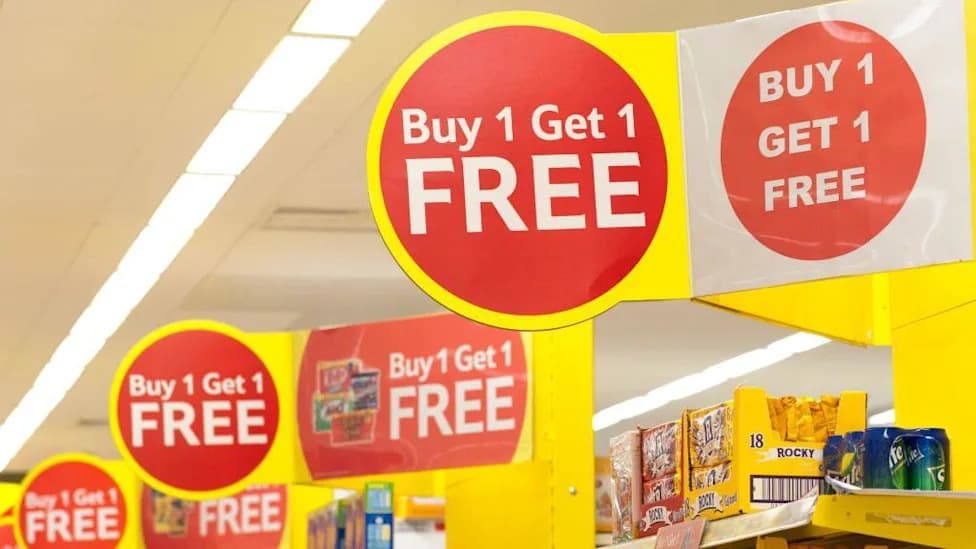
The Department of Health and Food Standards Agency are proposing measures similar to those which already exist in England and Wales [Getty Images]
The Department of Health (DoH) and the Food Standards Agency (FSA) have launched a public consultation on proposals to ban multibuy offers and restrict the placement of foods high in fat, sugar and salt (HFSS) across Northern Ireland — measures aimed at tackling rising obesity rates.
What’s Being Proposed
The proposals would: ban price-based multibuy promotions (for example, "buy one, get one free") on products classed as unhealthy; limit where these items can be displayed in shops and online; and restrict free refills of sugar-sweetened soft drinks in cafes and restaurants. The DoH and FSA say the measures mirror rules already in place in England and Wales and will align with regulations due to come into effect in Scotland in October.
Why Officials Are Pushing For Change
The DoH cites evidence that price promotions, prominent placement and other marketing tactics significantly influence shoppers' purchases—often steering them away from healthier choices. Northern Ireland faces a major public health challenge: around 65% of adults are living with obesity or excess weight, a condition that increases the risk of heart disease, stroke, type 2 diabetes and some cancers.
Voices Of Concern
Dr Ciara Fitzpatrick, law lecturer and anti-poverty campaigner, urged a broader conversation about affordability. "Many low-income families simply can't afford healthier options — that is the elephant in the room," she told BBC Radio Ulster's Evening Extra. She warned that changing product placement or pricing alone will not address the underlying cost-of-living pressures faced by many households.
Fitzpatrick called for complementary policies to increase access to affordable fresh fruit, vegetables and locally grown produce so that lower-income families can actually benefit from healthier choices.
Support From Regulators
Professor Susan Jebb, chair of the FSA, said the proposals are intended to make it easier for people to eat healthily. "We all know how easy it is to come home with extra treats that are high in fat, sugar and salt," she said. Jebb added that regulators want to learn from England’s experience — including attempts by some businesses to circumvent existing restrictions — to design rules that are effective in Northern Ireland.
What Has Already Changed Elsewhere
Price-based promotions on some HFSS products were banned in England from 1 October 2025, covering supermarkets, larger high-street shops and online retailers. A UK-wide restriction on advertising foods high in fat, salt and sugar on television before 21:00 and at any time online came into force on 5 January. The government uses a classification system to identify which products are considered HFSS, focusing particularly on items that influence childhood obesity — including sugary fizzy drinks, crisps, sweets, cakes, ice creams and certain processed items.
Next Steps
The consultation is open to retailers, food businesses, manufacturers, local authorities, public health organisations, consumer groups and members of the public. Officials say feedback will inform how any restrictions are designed and implemented to balance public health goals with concerns about affordability and access to healthy food.
Key facts: The consultation seeks views on banning multibuy deals, restricting product placement (including online), and curbing free refills of sugary drinks as part of a wider strategy to reduce obesity.
Help us improve.