Advisory Panel Recommends Six Peptides, But That’s Not Approval. The FDA’s Pharmacy Compounding Advisory Committee narrowly recommended adding six of seven peptides to the Section 503A compounding list, but the votes are nonbinding and do not equal FDA drug approval. FDA scientific staff had recommended rejecting all seven due to weak human evidence and safety concerns. Any formal change requires rulemaking that could extend into 2027; moving peptides into pharmacies would improve sourcing safety but is not proof of benefit.
What the FDA’s Peptide Vote Actually Means — A Clearer Look at the Advisory Panel’s Narrow Recommendation
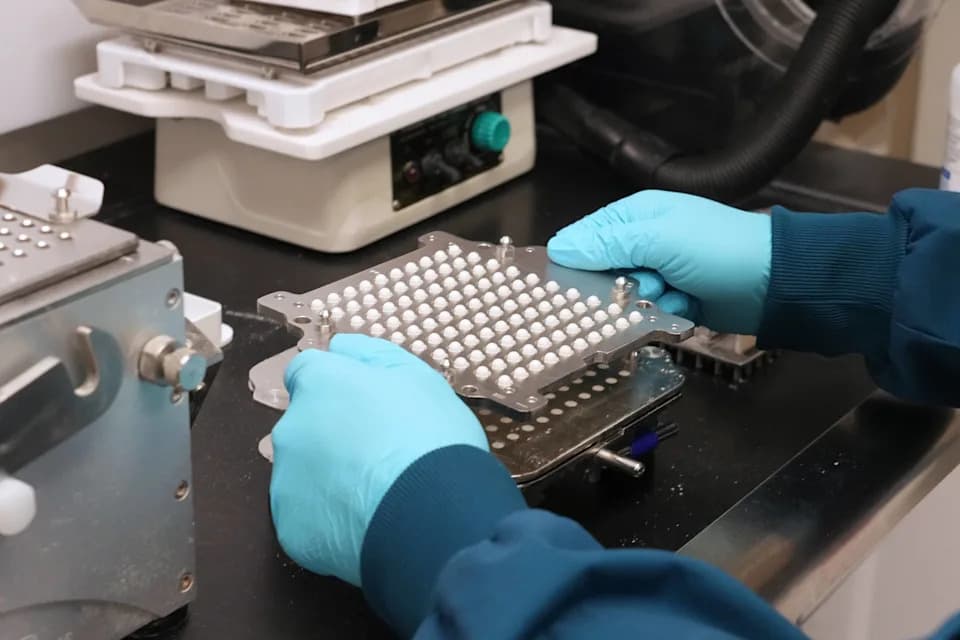
Bloomberg / Getty Images
Expect a wave of headlines claiming the FDA has "opened the door" to peptide therapies. Read them with caution. Something important happened at the agency's White Oak campus on July 23–24: an advisory committee narrowly recommended that six of seven peptides be considered for the Section 503A bulk drug substances list. But that recommendation is just one step in a long regulatory process and does not equal FDA approval.
What the Committee Did (And Didn’t Do)
The Food and Drug Administration's Pharmacy Compounding Advisory Committee spent two days weighing whether seven peptides should be added to the list of raw materials licensed compounding pharmacies may use to prepare prescription medications for individual patients. The panel recommended adding six of the seven compounds:
- BPC-157, KPV, TB-500 — each voted 8–6 with one abstention
- MOTS-c — passed 7–5
- Semax — passed 8–5
- Epitalon — passed 7–4
- DSIP (emideltide) — rejected 6–7
All votes were close. Crucially, these were advisory votes only: they do not bind the FDA. Final agency action — if any — requires formal rulemaking, a process that could extend into 2027. Nothing the committee did is equivalent to approving any of these peptides as drugs.
What This Would (Potentially) Change
If the FDA ultimately places a peptide on the Section 503A list, a licensed compounding pharmacy could prepare and dispense that substance with a valid prescription. That would move a compound from the unregulated "research-chemical" market into a pharmacy setting, which generally improves sourcing quality, reduces contamination risk, and improves dose consistency. But compounding permission is not the same as FDA approval: compounded medications are not evaluated by the FDA for safety, efficacy, or consistent quality.
Important Context Missing From Much Coverage
FDA scientific staff recommended rejecting all seven peptides. Agency reviewers cited weak or absent human evidence, poor characterization of some substances, and limited safety data. The advisory committee chose to overrule the agency scientists.
Two contextual facts also matter: eight temporary voting members were added to the panel on June 29 — days before the meeting — and several appointees and other members have reported financial ties to clinics or pharmacies that sell peptides. The committee’s narrow favorable votes also align with the publicly stated position of the Department of Health and Human Services secretary, who has advocated for wider access. These circumstances are relevant to interpreting the close votes.
Another common omission: the uses reviewed by the FDA are often narrower than the popular claims driving interest. For example, MOTS-c was evaluated for obesity and osteoporosis, not for the metabolic or longevity benefits often touted online.
Bottom Line
Read this week’s action for what it was: a contested, nonbinding advisory recommendation, not a rule or a scientific endorsement. Any real regulatory change is still a rulemaking cycle away. Moving a substance from the research-chemical market into pharmacy compounding would likely improve safety of sourcing but would not prove clinical benefit. The human-evidence base remains thin and safety data remain incomplete. If you are considering any peptide, discuss it with a clinician familiar with your medical history.
This article updates and supersedes our earlier coverage of the advisory committee meeting now that both days of voting are complete. It is educational and not medical advice. The peptides discussed are not FDA-approved drugs; compounded medications are not FDA-evaluated for safety, efficacy, or quality; and products sold as research chemicals are not intended for human use and carry serious risks.
Originally published by Men's Fitness on Jul 29, 2026.
Help us improve.