Two North Carolina State University studies that examined archived mosquito samples from 2018–2024 found a rising prevalence of genetic mutations linked to pyrethroid resistance. By 2023, knockdown-resistance markers appeared across about 84% of sampled residential blocks in Wake County, with 39% of mosquitoes carrying the resistance mutation. Researchers warn that heavy reliance on a single class of insecticide risks eroding its effectiveness and recommend integrated pest management and removing standing water.
39% Of Asian Tiger Mosquitoes Show Resistance To Common Yard Sprays, Study Finds
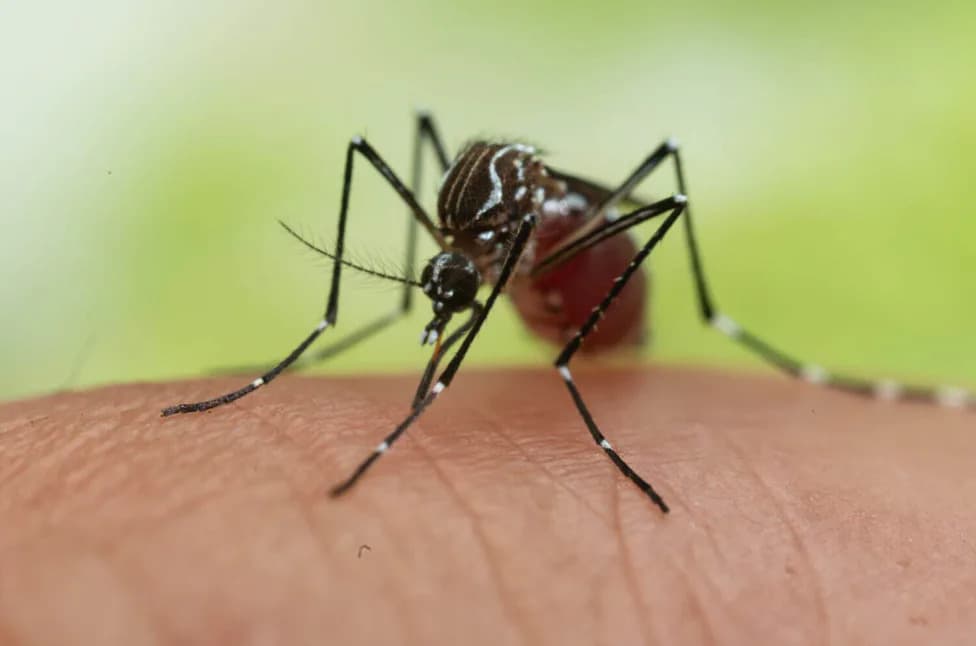
Aedes albopictus Mosquito. Super macro close up a Mosquito sucking human blood,© frank60/Shutterstock.com
New research suggests a growing number of Asian tiger mosquitoes (Aedes albopictus) are developing genetic resistance to pyrethroid insecticides commonly used in consumer yard sprays. Scientists examining archived mosquito samples collected between 2018 and 2024 report that mutations tied to so-called knockdown resistance have become substantially more common in recent years, potentially undermining the long-term effectiveness of these household products.
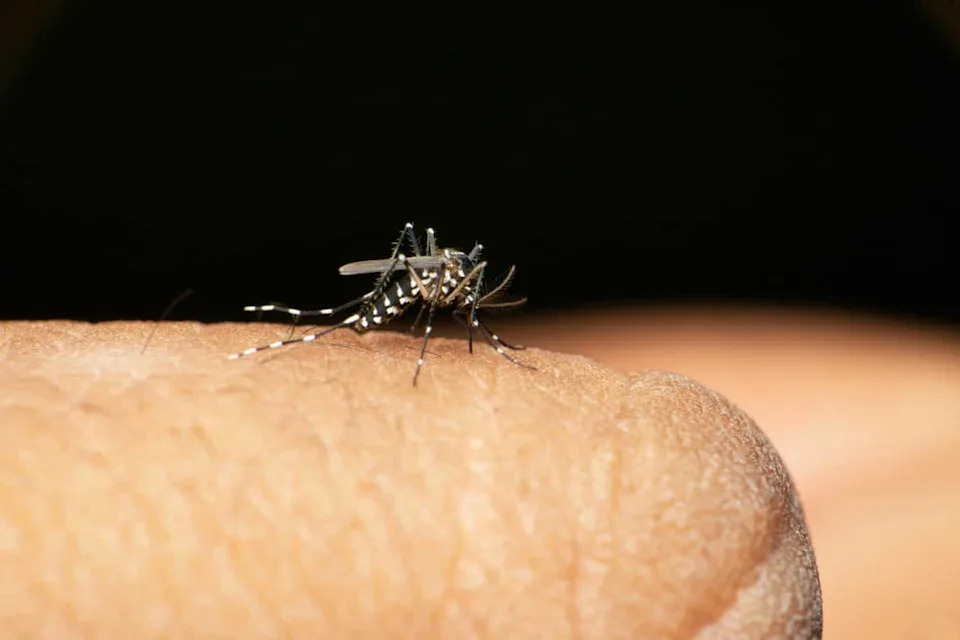
Asian tiger mosquitoes can carry up to four potentially deadly diseases.©RealityImages/Shutterstock.com
What the Studies Found
Researchers at North Carolina State University analyzed specimens from Wake County and beyond and found that markers of knockdown resistance were uncommon before 2018 but increased sharply by 2023. By that year, resistance-associated mutations were detected across roughly 84% of residential blocks sampled in Wake County, and about 39% of individual mosquitoes carried a mutation linked to pyrethroid resistance.
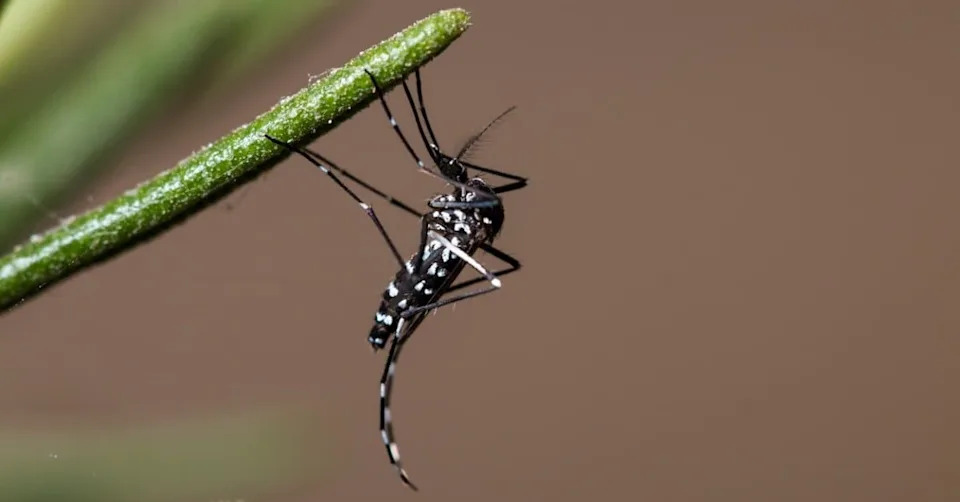
Genetic mutations can make certain species resistant to common "safe" insecticides.©Oliver Spiteri/Shutterstock.com
How Knockdown Resistance Works
Knockdown resistance involves small genetic changes in the mosquito nervous system, particularly in voltage-gated sodium channels. These changes can reduce or prevent the insecticide's ability to disrupt nerve function. Published literature notes that a single mutation can, in some cases, increase resistance by more than 100-fold for an individual mosquito, though exact resistance levels vary.

In the long run, pesticides may not hold the answers we're looking for regarding pest prevention.©In The Light Photography/Shutterstock.com
Why This Matters
Aedes albopictus is established in roughly 30 U.S. states and can transmit dengue, chikungunya, Zika and West Nile virus. With at least 48 reported West Nile cases as of June 2026, many homeowners rely on backyard sprays to reduce biting adults — the life stage that spreads these viruses. If pyrethroid effectiveness declines, communities may see reduced protection from common consumer products.
Patterns And Possible Causes
The Wake County analysis also found higher resistance rates in neighborhoods with higher property values. Investigators suggest this pattern may reflect more frequent pesticide use in wealthier areas, creating local selection pressure that favors resistant mosquitoes. Researchers caution, however, that additional studies are needed to determine whether these patterns occur broadly or are specific to the sampled locations.
'A reliance on just chemical insecticides is never the best way to control a pest. We really want to integrate pest management practices that look at the whole lifecycle of the pest,' said Burford Reiskind, associate professor of biological sciences at North Carolina State University and corresponding author on the papers.
Practical Recommendations
Researchers and public-health experts stress that integrated pest management — combining habitat reduction, biological controls, targeted treatments and community education — is a more sustainable approach than repeated, widespread spraying of a single insecticide class. Simple measures such as eliminating standing water, maintaining screens, and using personal repellents can reduce exposure while communities rethink long-term control strategies.
Bottom line: The rise in pyrethroid-resistance markers among Asian tiger mosquitoes is an early warning that common yard sprays could lose effectiveness if relied on exclusively. Diversified, proactive pest-management strategies will be important to protect public health.
Help us improve.