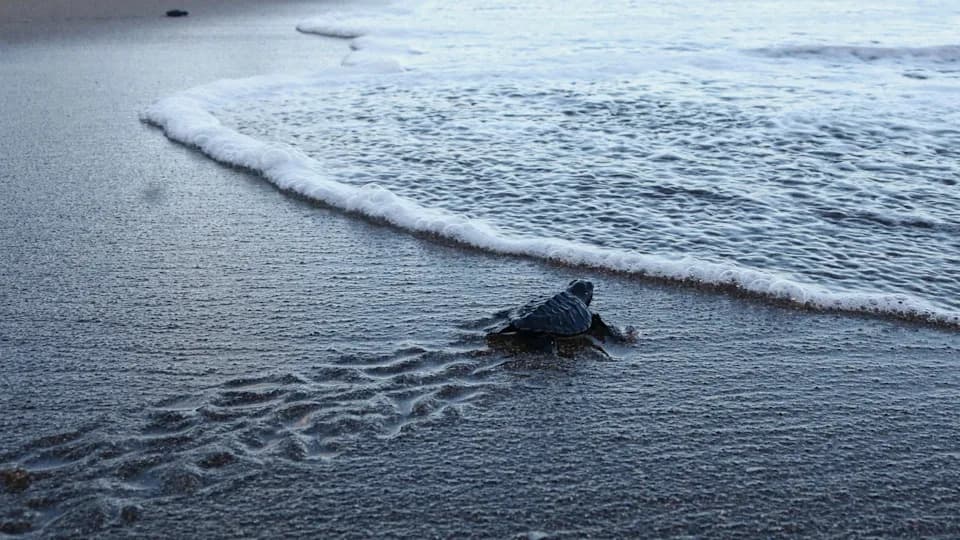
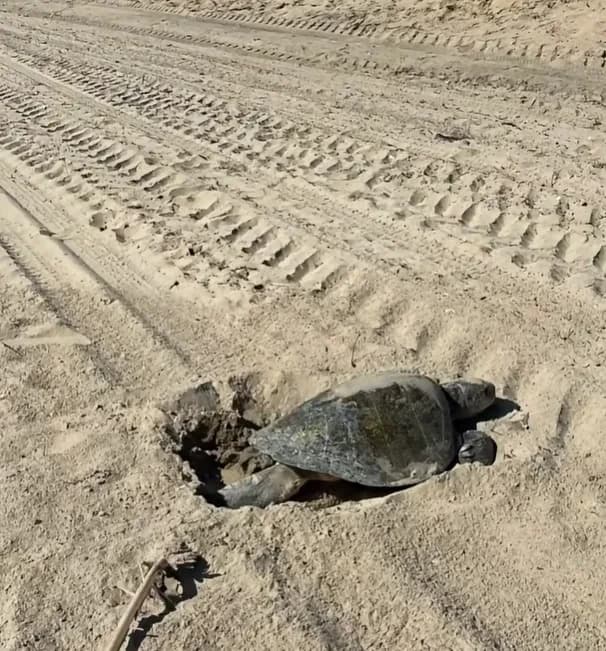
Researchers in Costa Rica observed a remora attached to a nesting female sea turtle that remained with its host for 19 minutes ashore before being returned to the sea. The sighting suggests some remoras can tolerate short periods out of water when kept moist by a moving host, offering rare insight into hitchhiking species' survival. The record highlights gaps in our understanding of marine species interactions and reinforces the importance of protecting nesting beaches.
Remora Hitches Ride With Nesting Sea Turtle in Costa Rica — Survives 19 Minutes Ashore
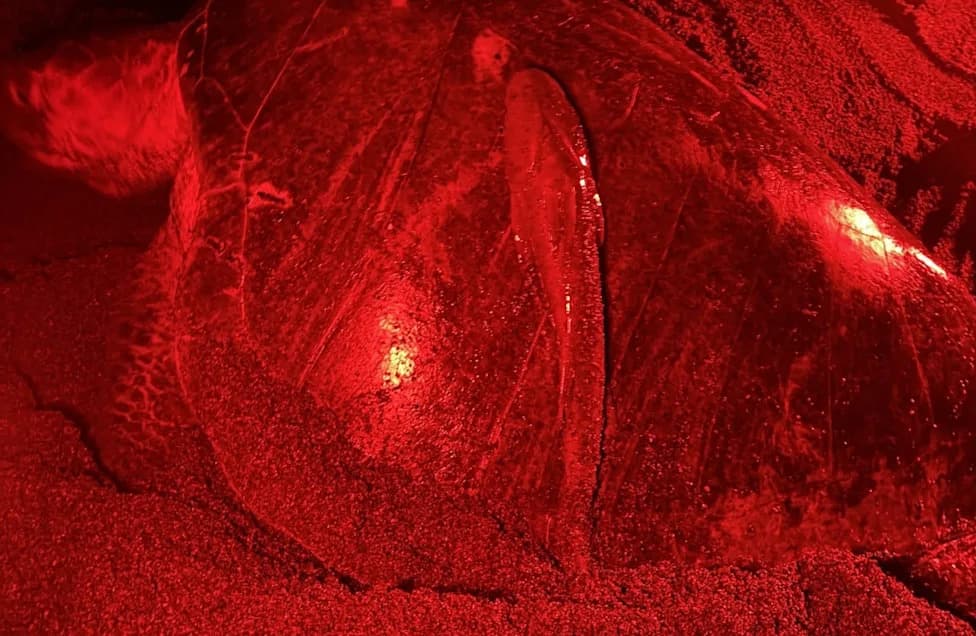
Photo Credit: Megan Bullock
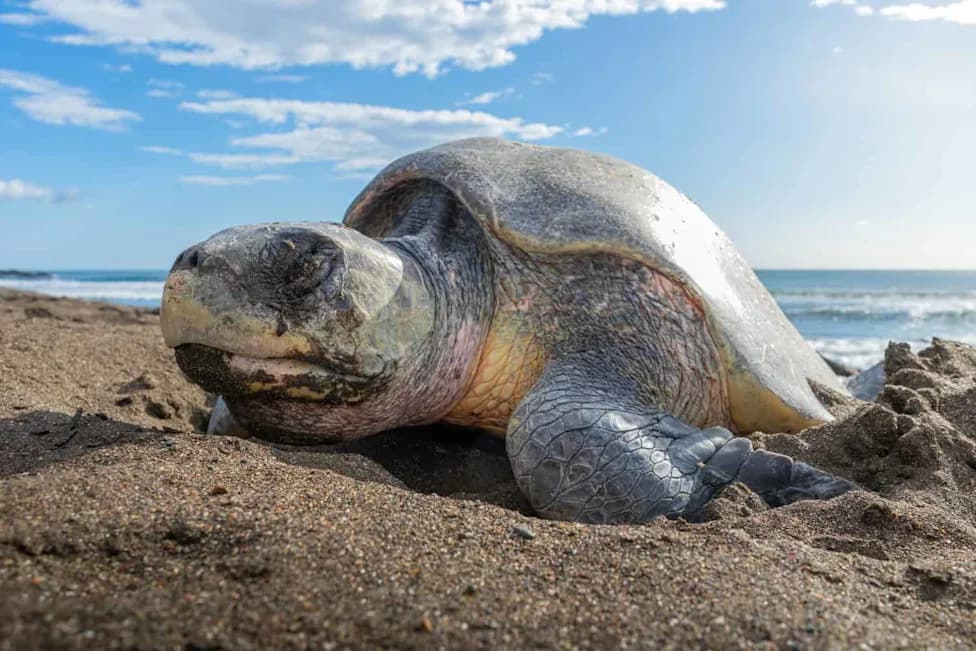
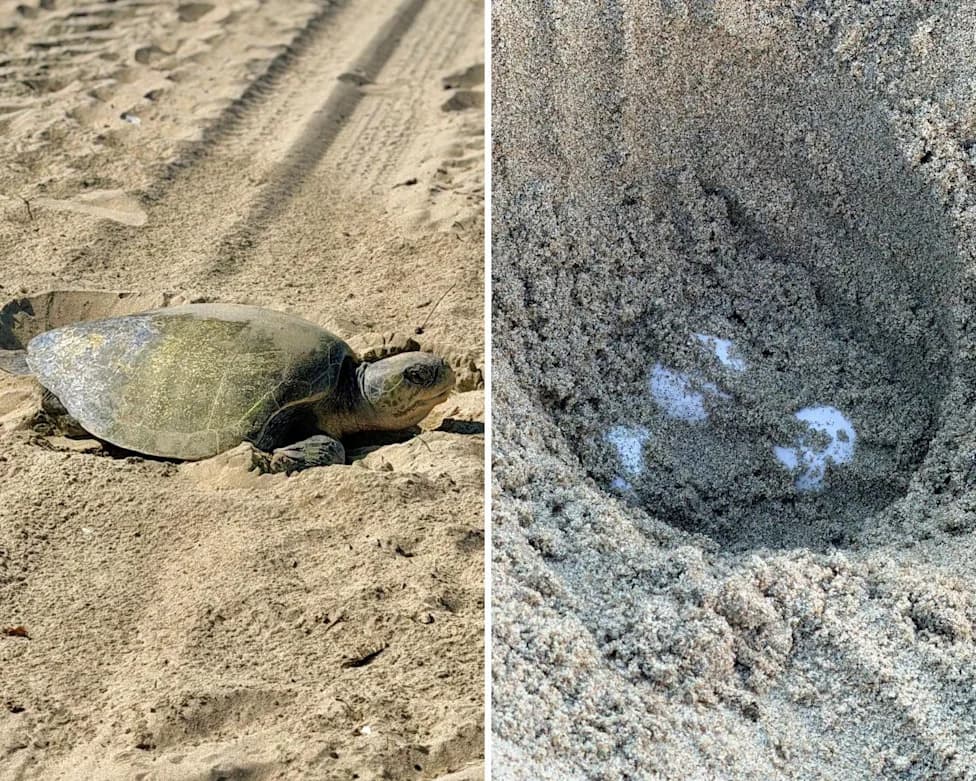
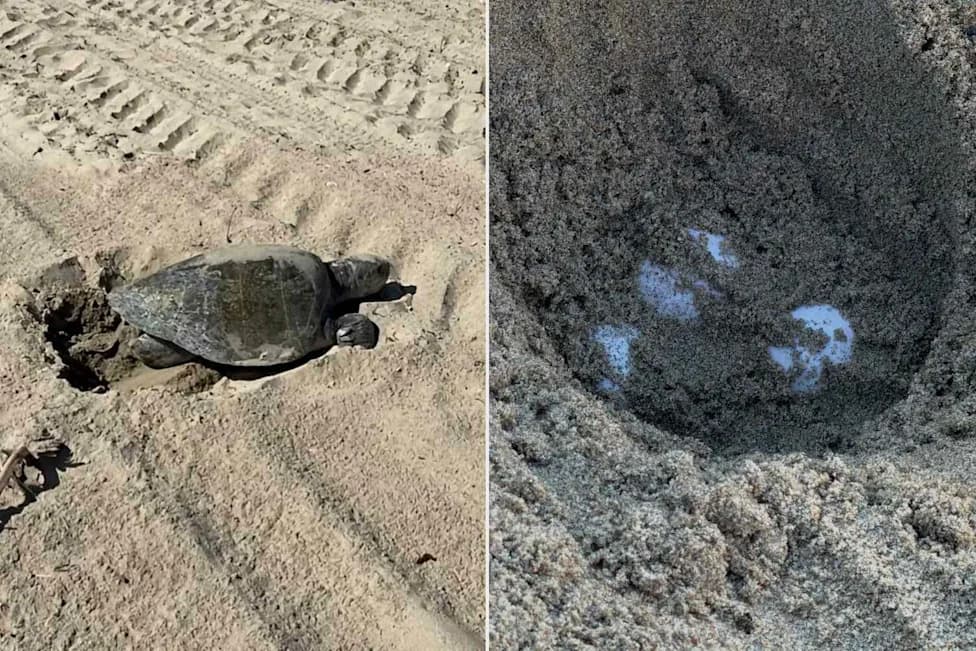
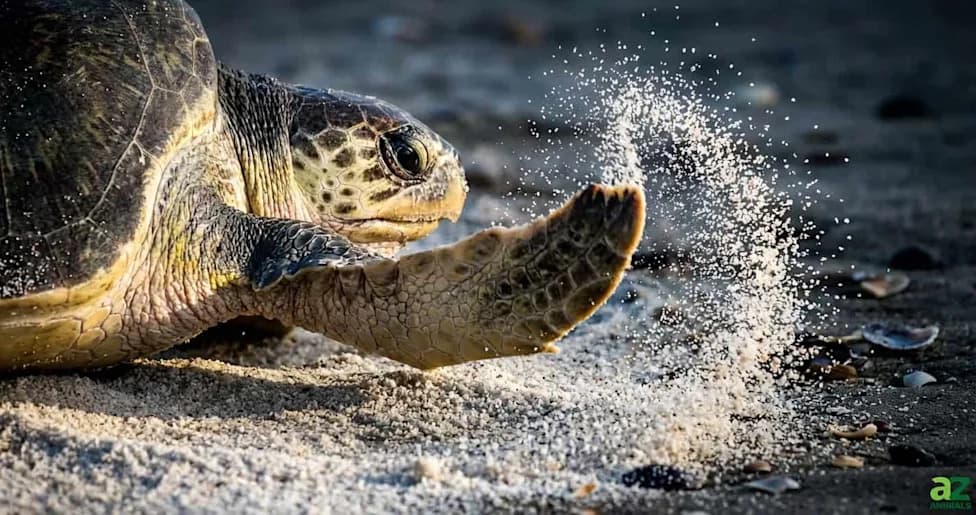
Researchers monitoring sea turtles in Costa Rica were surprised to find a small stowaway clinging to a nesting female: a remora, commonly known as a suckerfish.
Remoras use a suction-cup–like plate on their heads to attach to larger animals such as turtles, rays, sharks and whales. In this unusual sighting, the fish remained attached while the turtle left the water and moved ashore.
Rare Field Observation
According to the research team's published report, the remora stayed fastened to the turtle for 19 minutes. An assistant later removed the fish and returned it to the ocean so the team could take standard measurements of the nesting turtle.
What This Could Mean
This episode suggests some remoras may tolerate short periods out of the water, particularly when their host remains moist and continues moving. The observation gives scientists a rare glimpse into the fate of hitchhiking species during brief terrestrial excursions and raises questions about the limits and flexibility of these interspecies associations.
Conservation Context
Sea turtles already face many threats — including habitat loss, entanglement in fishing gear, plastic pollution and disturbances on nesting beaches — so any new information about nesting behavior and associated species is valuable. Understanding these hidden ecological connections can inform conservation strategies in places where turtle nesting supports ecotourism and local livelihoods.
Even short field observations can produce important data when they document rare or unexpected animal behavior.
Conservation measures that benefit nesting turtles and their broader communities include limiting beachfront lighting, reducing human disturbance during nesting season, and supporting organizations that patrol beaches and protect nests. The remora’s brief journey ashore underscores how much remains to be learned about relationships among marine species and the value of careful monitoring.
Help us improve.