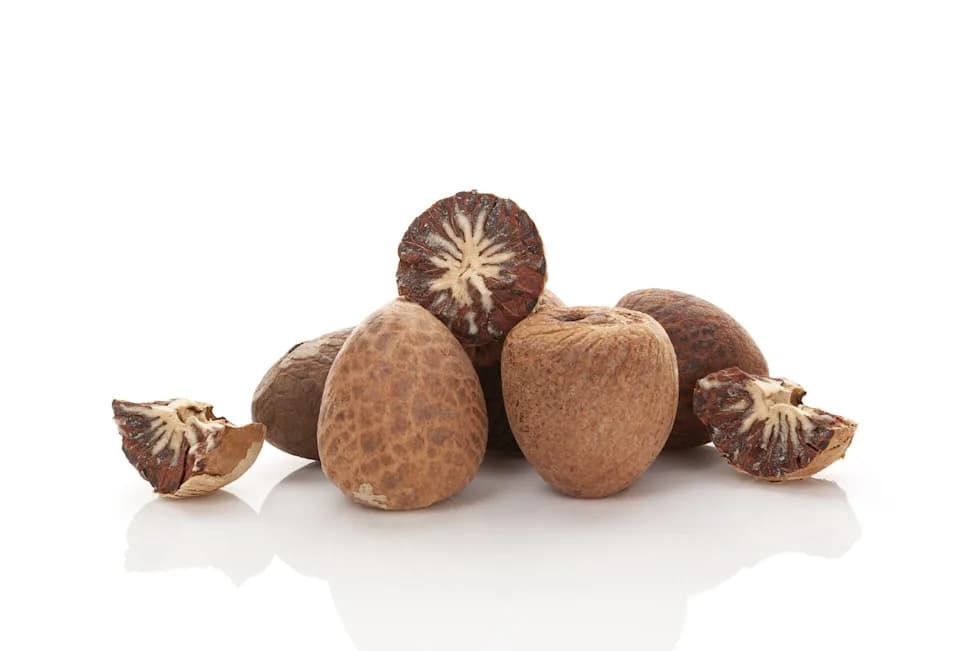
Monks at Florence's Saint Mark's Monastery discovered a mid-19th-century advertisement for a "fortifying wine elixir" made with coca leaves and cola nuts, listing exact amounts (30 g cola nuts, 10 g Bolivian coca leaves, 1 L alcoholic mixture). The recipe predates John Pemberton's 1886 tonic but there is no evidence linking the two. The find underscores historical global trade in ingredients and the long medicinal tradition of the Antica Farmacia di San Marco.
Florence Monks Discover Mid-19th-Century 'Cola-Like' Recipe in Historic Monastery Pharmacy
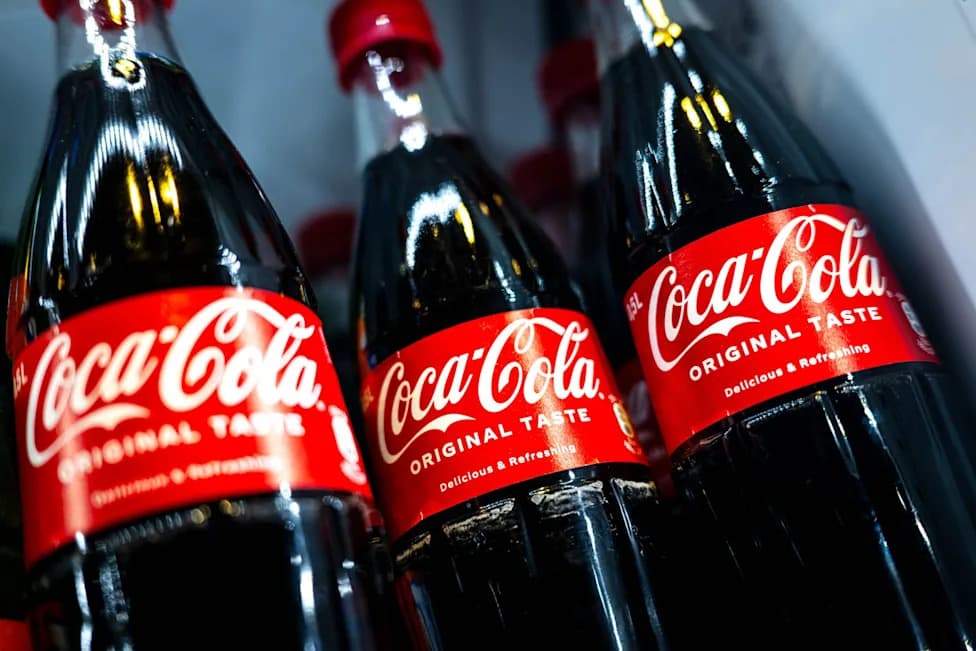
FILE PHOTO - Coca-Cola bottles are displayed in Bremen. (is associated with: «Florentine monks find 19th century recipe for cola drink») Sina Schuldt/dpa
Monks at Saint Mark's Monastery in Florence have uncovered a mid-19th-century advertisement for a "fortifying wine elixir" that lists coca leaves and cola nuts among its ingredients — a combination that recalls early tonic recipes later linked to modern cola drinks.
Archive Find During Cleaning
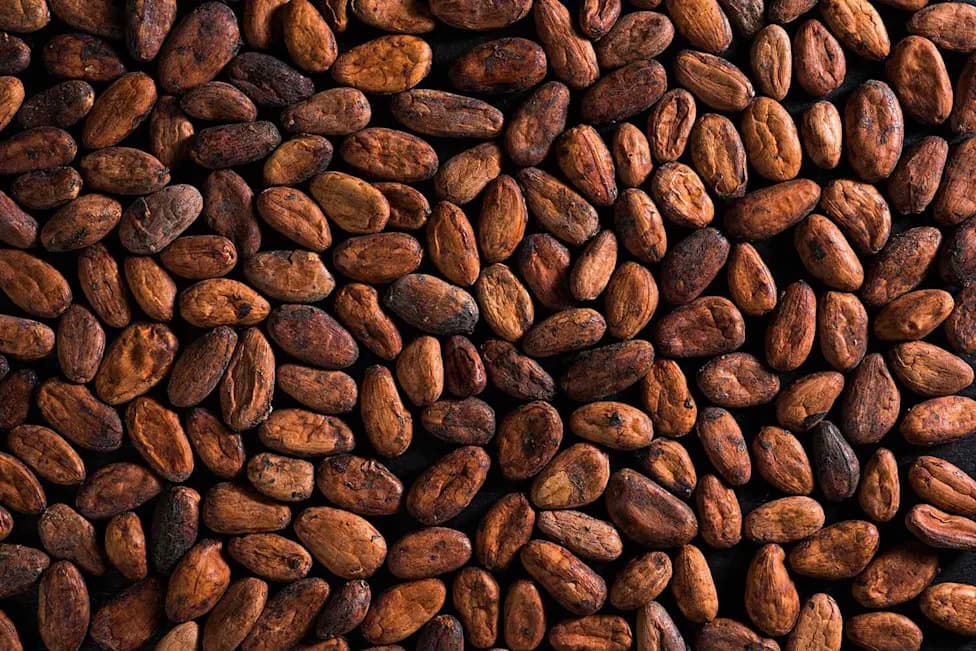
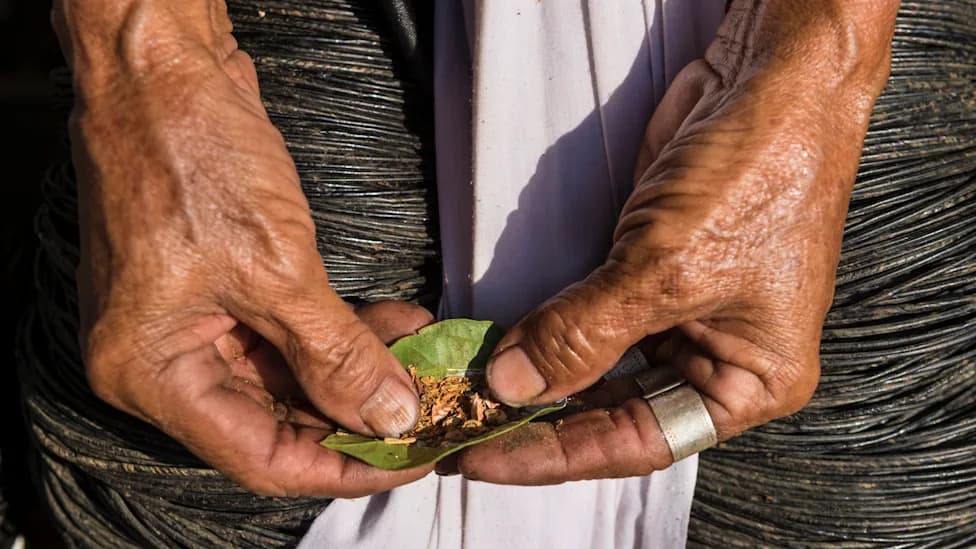
The discovery emerged during routine archive-cleaning work at the Antica Farmacia di San Marco. Dominican friar Manuel Russo said the yellowed advertisement promoted a popular tonic intended to relieve physical and mental exhaustion, headaches and the weakness associated with old age or "extraordinary exertion." The listing names specific quantities: 30 grams of cola nuts, 10 grams of Bolivian coca leaves and 1 litre of an alcoholic mixture.
Description From the Advertisement
Described as a "fortifying wine elixir," the tonic was marketed to strengthen and restore vitality after strain or illness.
Historical Context
John Stith Pemberton's 1886 Pemberton's French Wine Coca — a tonic combining coca leaves and cola nuts — is widely regarded as a direct ancestor of Coca-Cola. When U.S. alcohol prohibition made the original formula impractical, Pemberton replaced alcohol with water and sugar syrup, eventually producing what became Coca-Cola.
The Tuscan formula unearthed at San Marco predates Pemberton's tonic by several decades. However, Russo was careful to note that there is no documented connection between the monastery's elixir and the later commercial beverage.
Global Ingredients, Local Practice
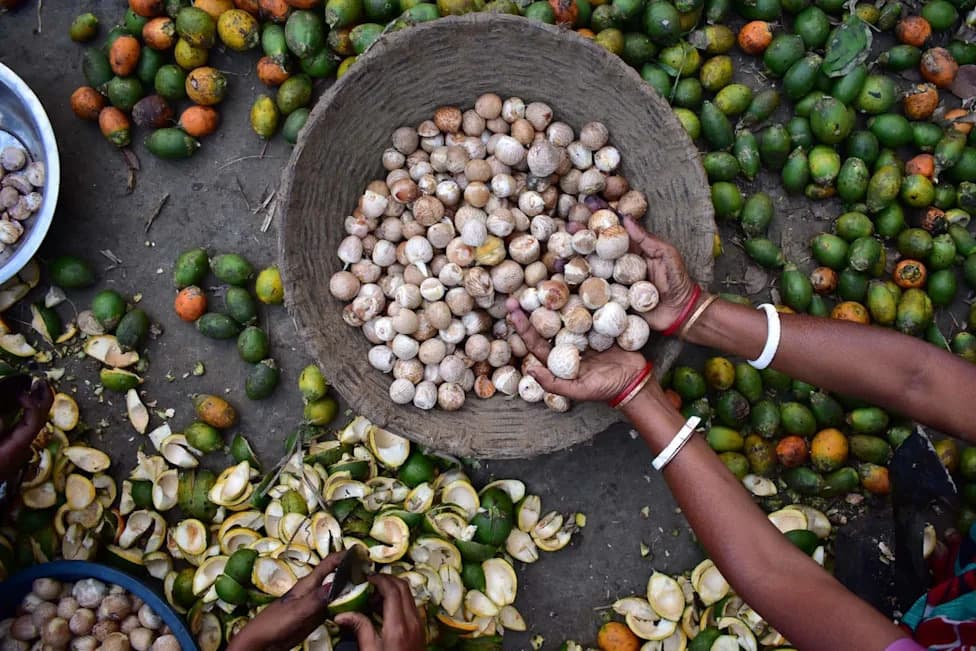
Pharmacy records indicate the coca leaves and cola nuts were brought to Tuscany by missionaries who traveled to South America. The Antica Farmacia di San Marco — founded in 1436 — was one of Florence's oldest pharmacies, where Dominican monks historically prepared and dispensed medicinal herbs, essences, elixirs and scented waters for the local community.
On Coca‑Cola's Secret Recipe
The exact Coca‑Cola formula has long been a famous trade secret. The company says only a small number of employees know the complete recipe, all bound by confidentiality; a popular myth that only two people know the formula and never fly together is denied by the company. Coca‑Cola also states that Pemberton did not write the original formula down; the first written record dates to 1919 and is kept in a secure vault.
What This Means: The discovery highlights how global ingredients circulated in the 19th century and how local medical and commercial practices could produce tonics resembling later popular beverages — even if direct lines of influence remain unproven.
Help us improve.