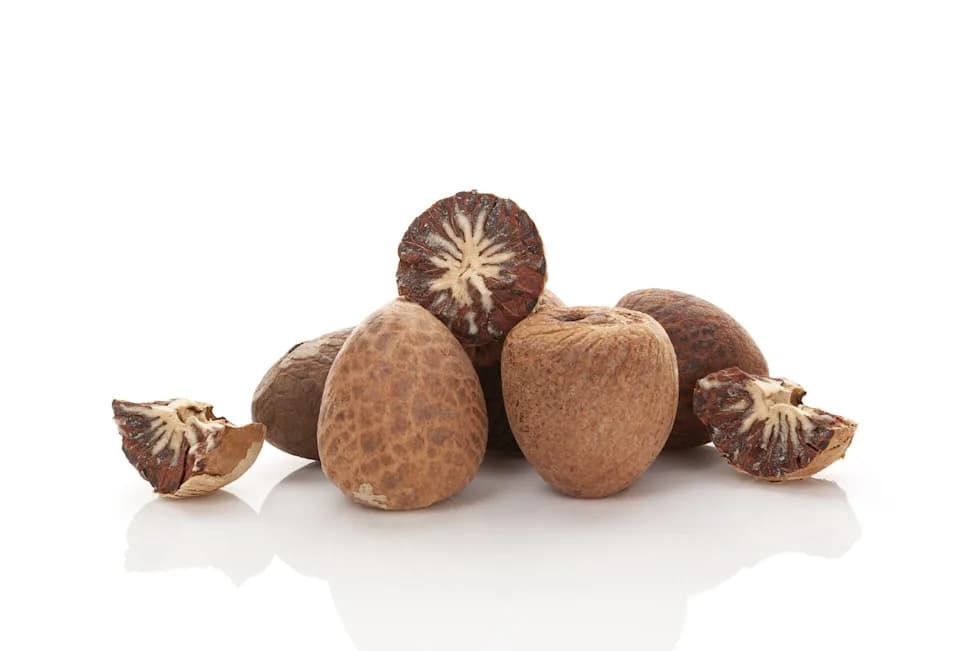
Researchers report dental, chemical, and lab-receptor evidence that people on Sulawesi used betel (areca) nuts as early as 25,000 years ago, extending documented psychoactive plant use by over 23,000 years. Two forager skeletons show distinctive curved dental grooves consistent with habitual nut-sucking, and arecoline residues were found in dental tissue. Experiments demonstrate unprocessed betel nuts can release enough arecoline when moistened to alter human neural receptors, and the habit may have begun as toothache relief but become self-reinforcing as it damaged teeth.
Evidence Suggests Humans Used Betel Nut Stimulant 25,000 Years Ago — Pushing Psychoactive Plant Use Back By Millennia
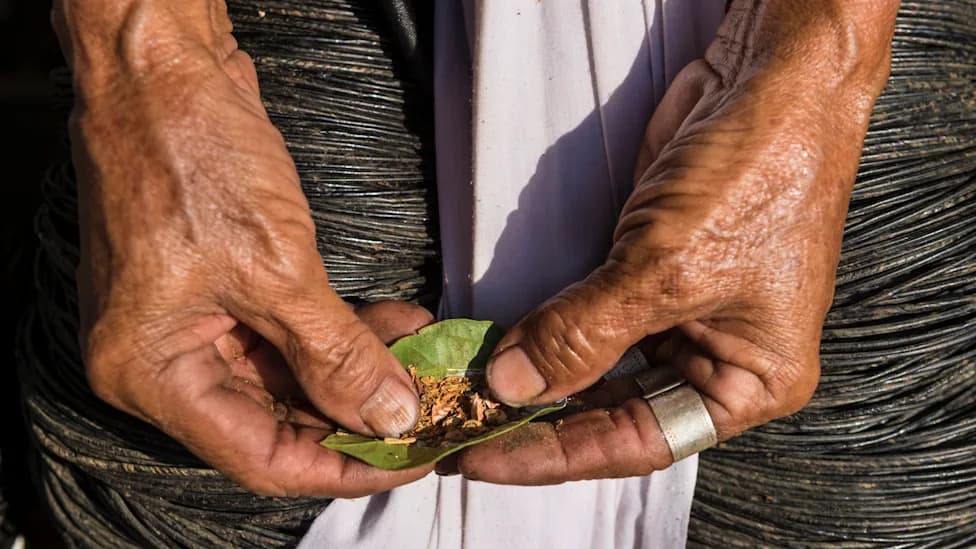
An estimated 1-in-10 people around the world use betel nut today.
New archaeological and biochemical evidence suggests people on the Indonesian island of Sulawesi were using betel (areca) nuts as stimulants as far back as 25,000 years ago, extending documented use of a widely consumed psychoactive plant by more than 23,000 years. The findings, reported in Science Advances, combine unusual dental wear patterns with laboratory tests and chemical traces to support the claim.
What Researchers Found
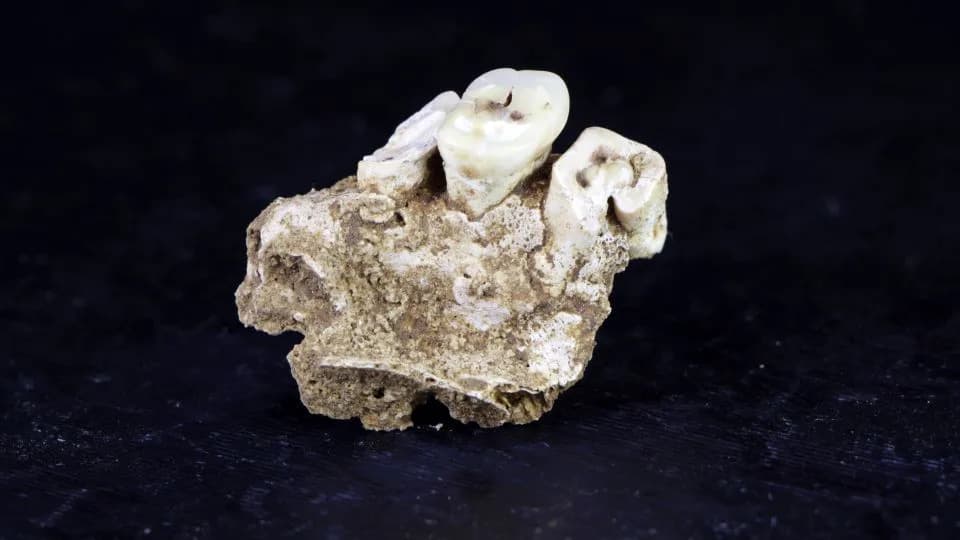
Two exceptionally well-preserved skeletons of foragers from Sulawesi exhibit deep, curved grooves in their teeth—an uncommon pattern that the authors interpret as wear caused by repeatedly holding or sucking whole betel nuts in the mouth. Radiocarbon dating places the older individual between roughly 25,000 and 16,000 years ago and the younger between about 7,600 and 6,300 years ago.
Laboratory Tests and Chemical Evidence
Previous work suggested the primary psychoactive compound in betel, arecoline, becomes most bioavailable when the nut is processed with slaked lime. To test whether unprocessed nuts could still release active alkaloids, researchers soaked whole betel nuts in artificial saliva and exposed the extracts to cloned human neural receptors expressed in frog egg cells (Xenopus oocytes). The experiments showed that moistening unprocessed nuts can release enough arecoline to alter receptor activity, indicating physiological effects could arise simply from sucking or holding the nut in the mouth.
Complementing the receptor tests, biochemical analysis detected traces of arecoline in dental tissue from the ancient individuals, strengthening the interpretation that they were regularly using betel.
Why It Matters
The authors propose this behavior may not have been purely recreational. Arecoline has analgesic properties, so habitual sucking could have been used to relieve toothache or other discomforts. At the same time, the hard and abrasive seeds wore down enamel and sometimes exposed the pulp chamber, creating a feedback loop where pain relief encouraged continued use that ultimately worsened dental health.
“Sucking these hard, abrasive seeds wore down the foragers' teeth so badly that in some cases the inner pulp chamber became completely exposed,” said Adam Brumm, a co-author and archaeologist at Griffith University. “So while this habit may have been a remedy for toothache, years of prolonged nut-sucking eventually caused much worse dental health problems, creating a cycle of continued habitual use.”
Broader Implications
If the interpretation holds, these results show that some hunter-gatherer groups discovered and used psychoactive plant properties long before the rise of agriculture, suggesting that certain patterns of drug use have deep roots in forager traditions rather than originating only with Neolithic farming and fermented beverages.
Note: The study combines multiple lines of evidence—dental morphology, biochemical residue analysis, and receptor-response experiments—but all scientific claims should be considered in the context of ongoing research and possible alternative explanations.
Help us improve.