Genetic and chemical analysis of three pottery residues from Georgia's Etowah Indian Mounds identified cacao-related compounds and Theobroma cacao DNA dating to about 800–900 years ago. Mass spectrometry detected diagnostic cacao chemicals in multiple samples, and ancient DNA sequencing recovered fragmented cacao DNA on two sherds. The finding, reported in PLOS One, suggests cacao reached the Mississippian world around the 11th century and prompts renewed study of pre-Columbian exchange networks—while cautioning that specific trade routes remain unproven.
Ancient Pottery DNA Reveals Cacao At Georgia’s Etowah Nearly 900 Years Ago
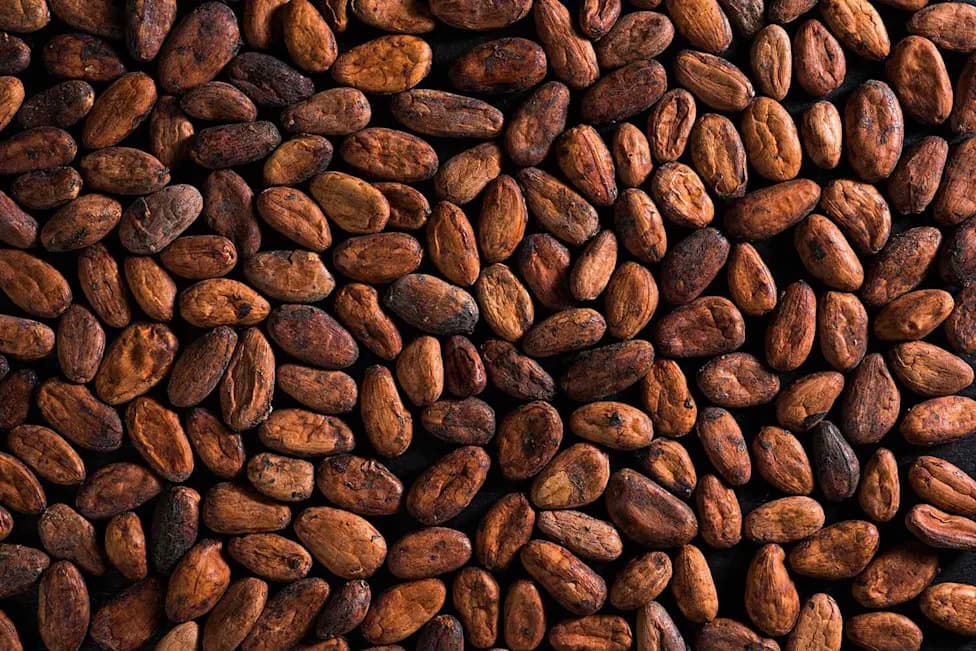
Stock photo of cacao beansCredit: Getty Stock Images
New genetic and chemical analyses of pottery from the Etowah Indian Mounds in Georgia provide the earliest confirmed evidence of cacao east of the Mississippi River, suggesting that people in the Mississippian world used cacao roughly 800–900 years ago.
Study and Context
The research, published in PLOS One and highlighted by Smithsonian Magazine, examined three archaeological residues recovered from Etowah. The results place cacao use at the site around the 11th century and raise questions about pre-Columbian exchange and cultural connections across the Americas.
Methods and Findings
Scientists combined mass spectrometry and ancient DNA techniques. Mass spectrometry tested for four chemical markers commonly associated with cacao—theobromine, theophylline, caffeine and paraxanthine—and nearly half of the tested Etowah residues contained at least two of these diagnostic compounds.
For the genetic analysis, researchers generated more than 502 million useful paired DNA sequences from the three pottery sherds and then filtered those sequences to search for matches to Theobroma cacao. Two of the fragments produced highly fragmented but authentic ancient cacao DNA.
"This study presents the first evidence that cacao consumption was part of the Mississippian world at roughly the same time as it appeared at Chaco [Canyon]," the authors wrote, urging a broader look at the networks that moved cacao through the Americas prior to European contact.
Contamination Controls and Caution
The team emphasized strict contamination precautions during excavation, sampling and laboratory work to limit the chance of modern cacao introducing false positives. While the combined chemical and genetic evidence is strong, the authors note these results do not by themselves map precise trade routes or mechanisms by which cacao arrived at Etowah.
Implications
Finding cacao at Etowah invites renewed investigation into long-distance contact and exchange between Mississippian communities of the Eastern Woodlands and Central and South American civilizations. The researchers also stress that exploring these connections should not undercut recognition of the Mississippian peoples' independent complexity and achievements.
Next Steps
Future work will seek additional residues and contexts to clarify how cacao was acquired, whether it was consumed locally or used in special rituals, and what networks delivered it to the Eastern Woodlands. Regardless, the study provides a compelling data point that expands our understanding of pre-contact interregional interaction in North America.
Help us improve.