Analyses of two ancient Sulawesi skeletons reveal deep, rounded tooth wear and arecoline residues consistent with repeated betel (areca) nut use, possibly as far back as 25,000 years. Lab tests show sucking intact nuts can release psychoactive arecoline without lime-based preparation. Researchers argue this habit may have provided pain relief but likely contributed to dental damage; further residue evidence from other sites is needed to confirm the claim.
Betel Nut Use May Date Back 25,000 Years in Sulawesi — Possible Earliest Evidence of Psychoactive Drug Use

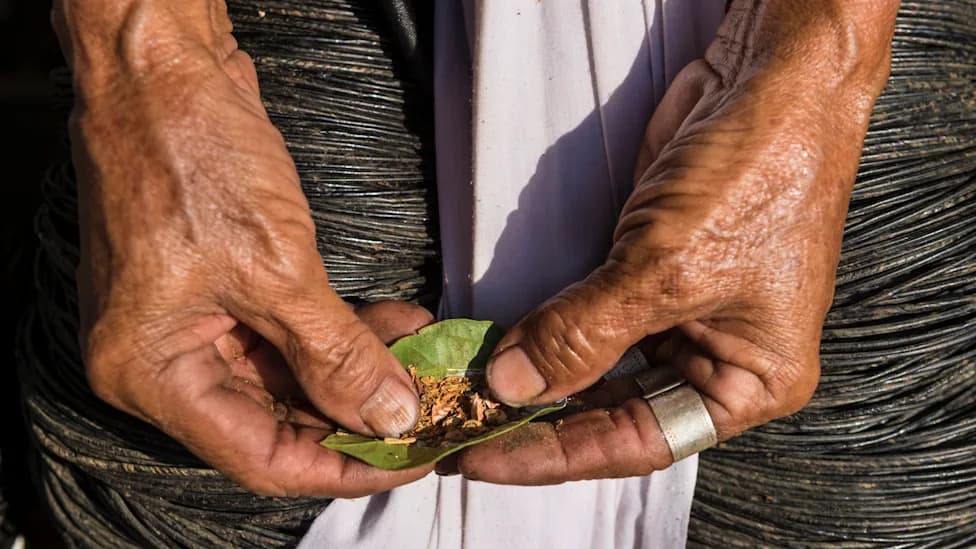
Photo Credit: Getty Images
Long before farming or brewing, people on the Indonesian island of Sulawesi may have used a psychoactive plant regularly. New analyses of two ancient skeletons suggest repeated betel nut use could date back as far as 25,000 years.
Study And Evidence
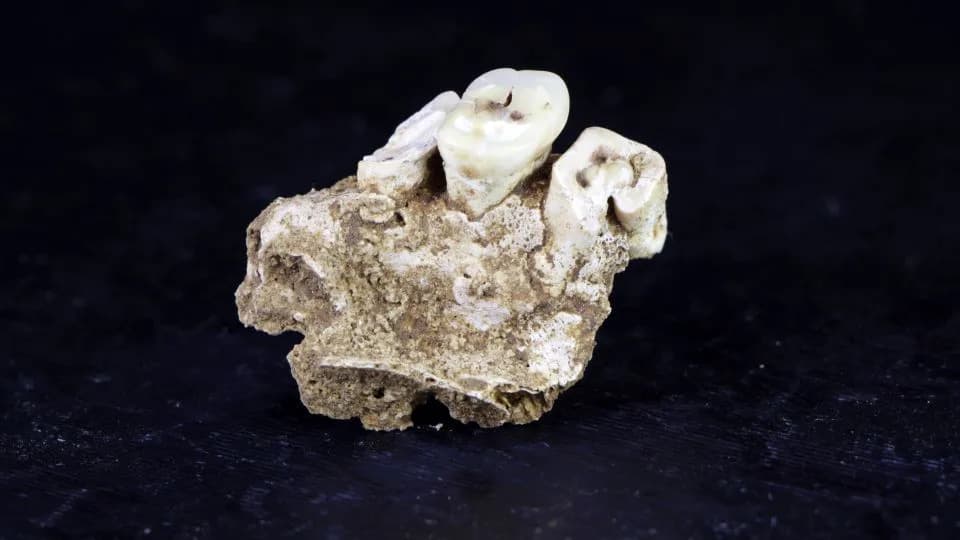
Researchers reported distinctive, deep, rounded wear on the teeth of two individuals excavated in Sulawesi. One skeleton from the Leang Bulu Bettue site is dated between roughly 25,000 and 16,000 years ago; the other dates to about 7,600–6,300 years ago. The team argues this patterned tooth wear differs from typical cavities and from the flatter abrasion produced by chewing tough foods.
Chemical And Laboratory Tests
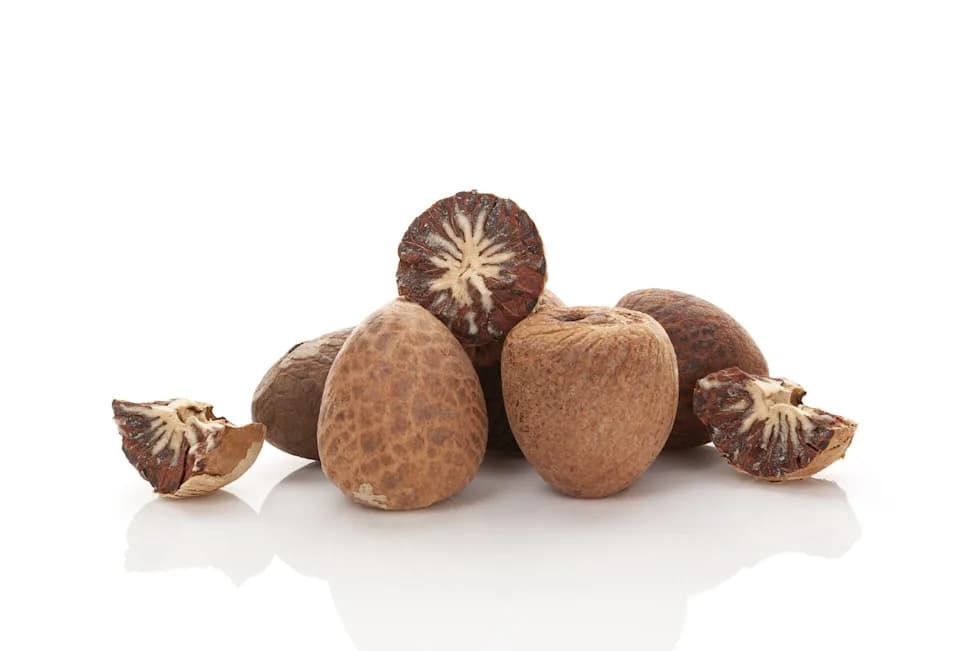
In addition to microscopic wear analysis, chemical testing identified arecoline — a key psychoactive compound from the areca (betel) nut — in the ancient teeth, according to ARCHE biochemist Carney Matheson. Laboratory experiments further showed that simply soaking intact betel nuts in artificial saliva released arecoline in amounts sufficient to activate human arecoline receptors expressed in frog egg cells. Together, the wear patterns and biochemical results make a persuasive case that these individuals repeatedly used betel nut.
How Ancient Use May Have Differed From Modern Traditions
Modern betel nut preparations often include slaked lime (produced by burning and grinding shells) to accelerate release of psychoactive compounds. The Sulawesi teeth lacked the telltale signs associated with lime-based quids. The researchers therefore propose that prehistoric foragers may have slowly sucked whole, unprocessed nuts rather than using prepared quids.
Possible Reasons And Consequences
Because betel nut offers little nutritional value, the authors suggest its appeal to ancient users may have included analgesic (pain-relieving) effects — a useful benefit in populations showing evidence of dental disease. Habitual sucking or chewing could also worsen oral health, accelerating wear and eventually exposing tooth pulp.
“Emerging by up to 25,000 years ago in Sulawesi, thus long preceding the onset of agriculture, betel nut-sucking may be the earliest evidence for drug use anywhere in the world,” said Adam Brumm of Griffith University, one of the study’s co-authors.
Context And Next Steps
The study, published in Science Advances, reflects a growing trend to combine archaeological observation with chemistry and lab experiments when bones alone cannot provide definitive answers. The research was a collaboration between teams at Griffith University, Hasanuddin University (Makassar), and Indonesia’s National Research and Innovation Agency. The authors note that finding similar tooth wear and matching chemical residues at other ancient sites across Asia and the Pacific would strengthen their interpretation.
Bottom line: Distinctive dental wear, direct chemical traces of arecoline, and lab experiments together suggest that betel nut use — possibly for its psychoactive or analgesic effects — may extend back to the Late Pleistocene in Sulawesi, well before the rise of agriculture.
Help us improve.