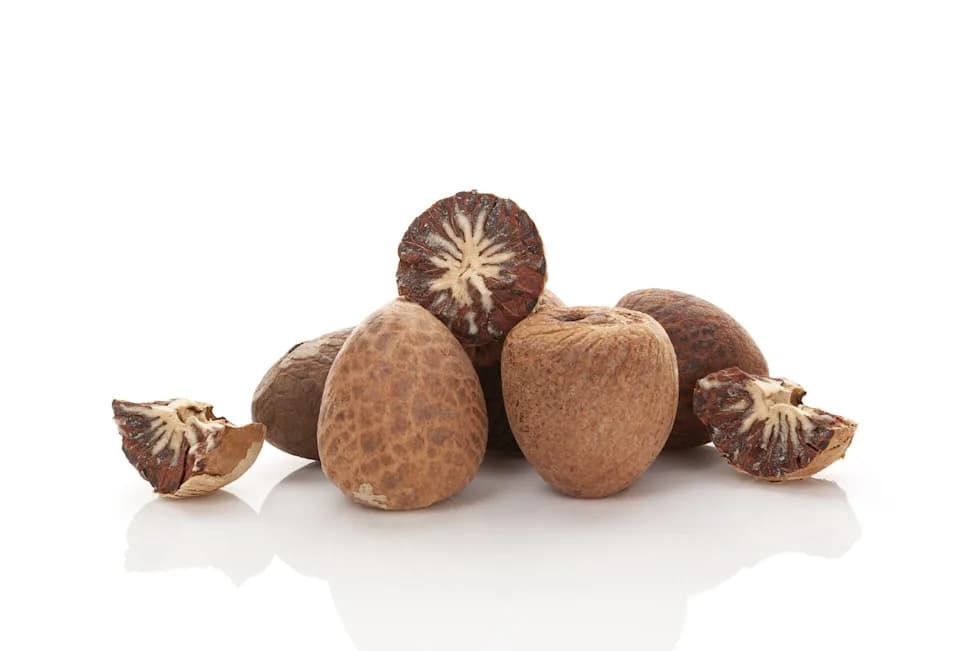
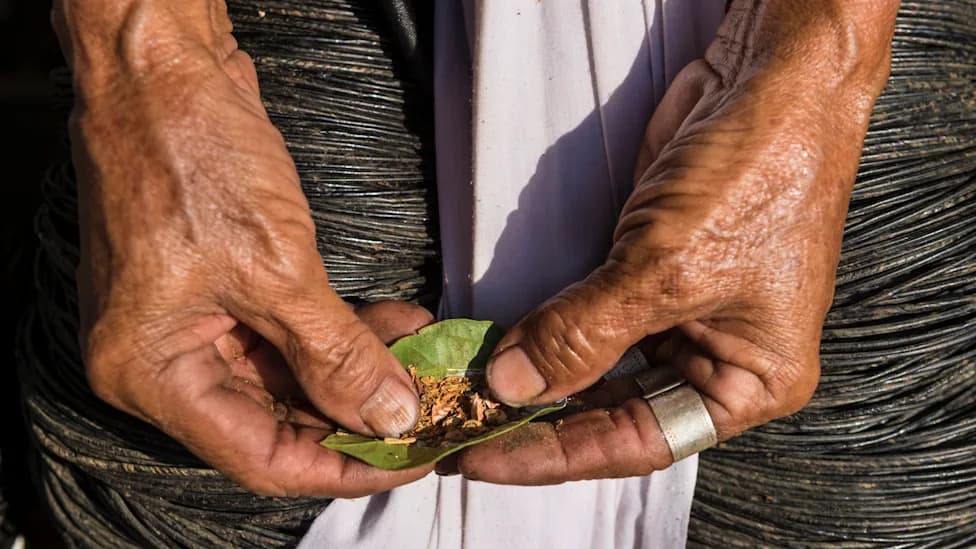
Researchers report dental and chemical evidence that Sulawesi foragers sucked whole betel nuts as far back as 25,000–16,000 years ago. Two adult remains display deep, rounded dental grooves and traces of arecoline, the betel nut's active compound. Laboratory simulations show intact nuts release enough arecoline via saliva to numb pain—an effect that likely encouraged repetitive use but also ground down teeth, exposed pulps and led to infection, producing a self-reinforcing cycle of pain and self-medication.
Ancient Betel Habit: How Prehistoric Foragers Turned a Pain Remedy into a 'Vicious Cycle'
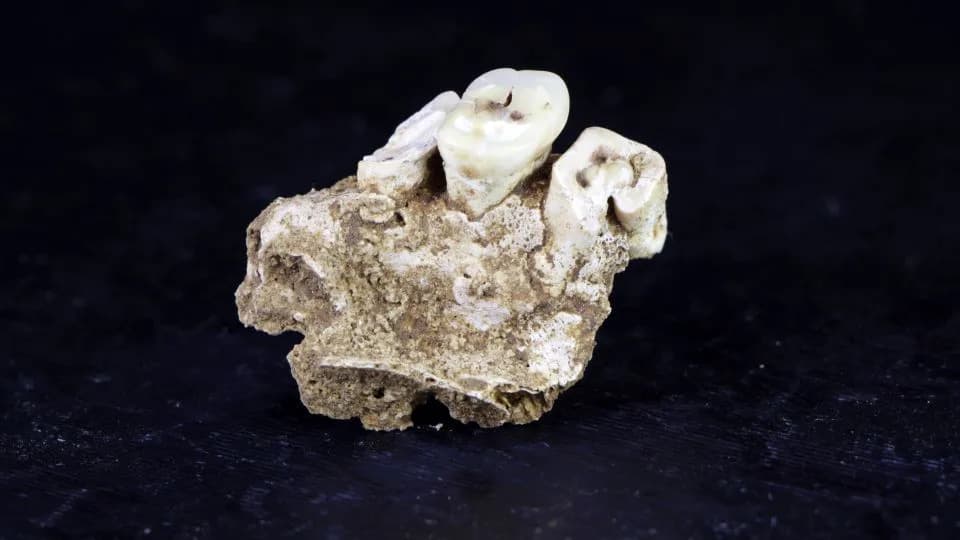
An analysis of a prehistoric forager's teeth suggests betel nuts served as a pain reliever up to 25,000 years ago. - MAPANG Project
Archaeologists working in Sulawesi, Indonesia, report dental and chemical evidence that people were habitually sucking whole betel nuts tens of thousands of years ago. The findings suggest an early form of plant drug use that relieved tooth pain but gradually destroyed teeth, creating a self-reinforcing cycle of pain and self-medication.
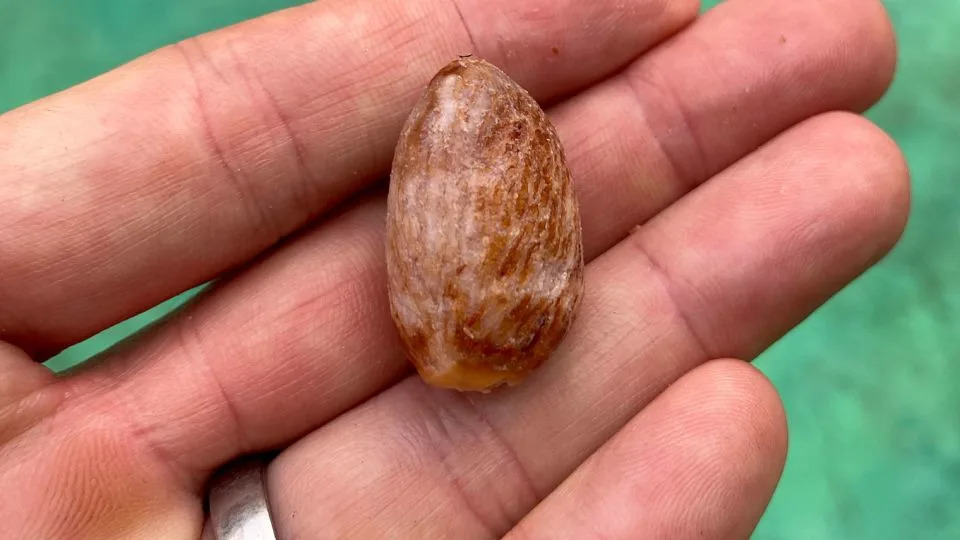
Betel nuts are commonly used across Asia and the Pacific. - Adam Brumm/Griffith University
Key Finds From Sulawesi
Excavations in 2017 recovered two adult forager remains from limestone caves in South Sulawesi's Maros-Pangkep karst: an upper jaw fragment from Leang Bulu Bettue dated to about 25,000–16,000 years ago, and another adult from Leang Cappolombo dated to roughly 7,600–6,300 years ago. Both individuals were at least 35 years old at death and showed unusual, deep rounded grooves on multiple teeth.
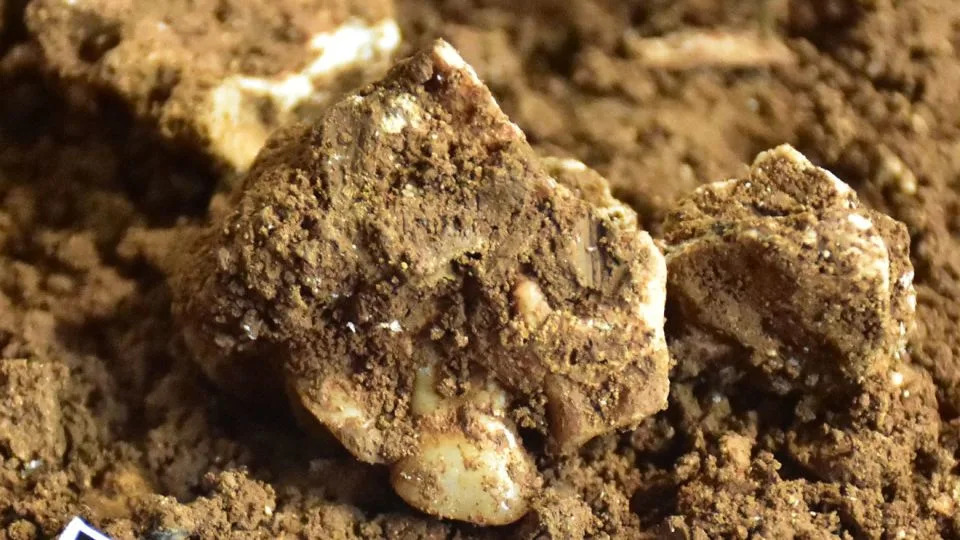
A jawbone fragment from 25,000 to 16,000 years ago was found in Leang Bulu Bettue cave. - MAPANG Project
What The Teeth Reveal
The pattern of wear did not match ordinary food-related abrasion or known evidence of processed-quid chewing (which uses slaked lime). Instead, the grooves are consistent with habitual sucking on hard, spherical objects—most plausibly whole betel nuts (areca seeds). Chemical analysis detected traces of arecoline, the nut's principal neuroactive compound, preserved in dental tissues.
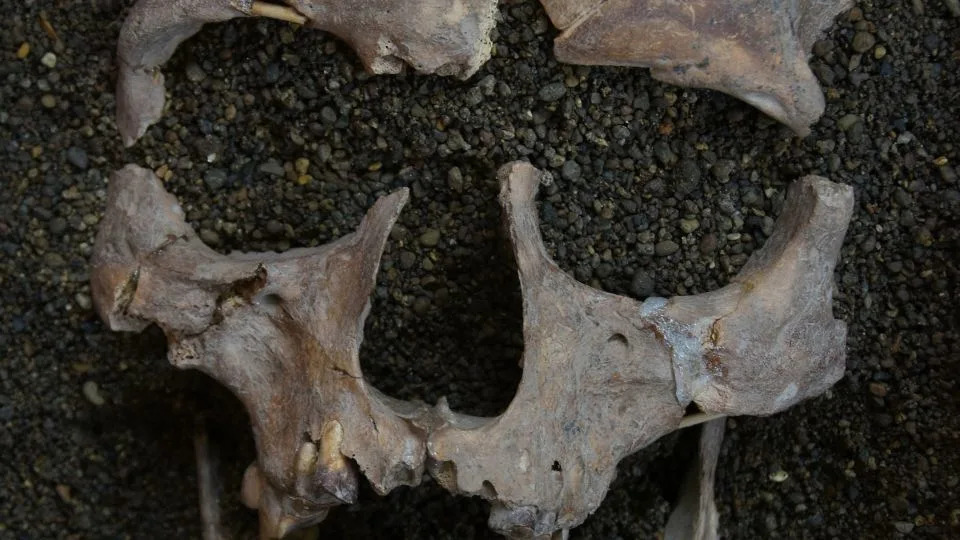
The teeth of a forager who lived between 7,600 and 6,300 years ago show signs of betel nut use. - Fakhri
Biochemical Tests And Effects
To test physiological effects, researchers soaked betel nuts in an artificial saliva solution and applied the resulting extracts to cloned human neural receptors expressed in Xenopus (frog) egg cells. Those assays indicate that sucking intact nuts releases arecoline in amounts sufficient to affect neural activity. Modern quids add slaked lime (calcium hydroxide) to boost absorption and potency; even without lime, whole-nut sucking can provide a numbing, analgesic effect.
A research team recovered the remains of another forager from the Leang Cappolombo cave. - Fakhri
"At this point, we suspect these people were pathologically addicted to betel nut-sucking to treat the oral pain caused by this cultural practice," said lead author Adam Brumm, summarizing the paradox in which a remedy produced further harm.
A Vicious Cycle Of Relief And Damage
The seeds' abrasive action gradually wore enamel and dentin down to the pulp chamber. Once exposed, the pulp is extremely sensitive and prone to infection; exposed pulp would have caused severe pain, difficulty eating and increased risk of tooth-root and jaw infections. In short, an effective short-term analgesic habit became a long-term source of pathology.
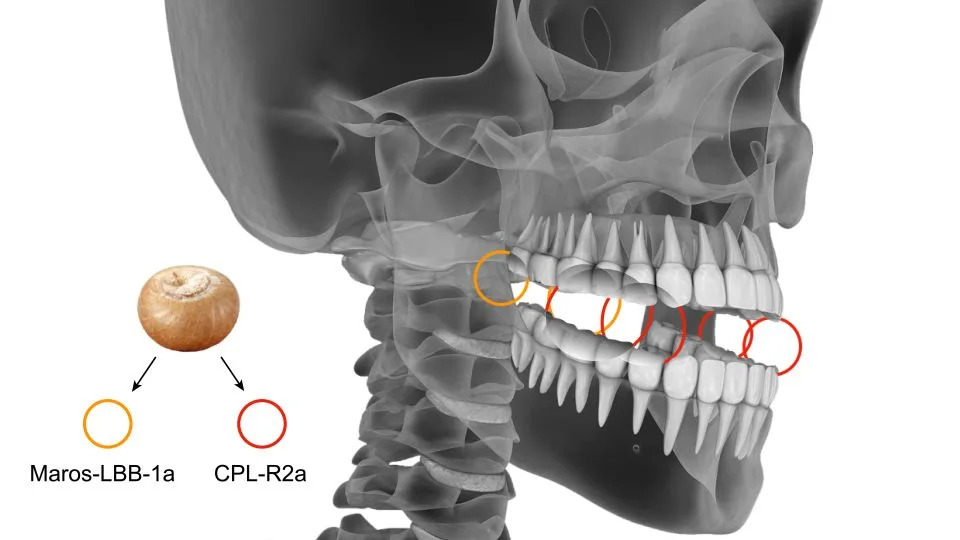
Circles indicate which teeth experienced wear from regular betel nut use. - Melandri Vlok
Cultural And Historical Context
Previous evidence placed widespread betel chewing in Southeast Asia at around 4,000 years ago, often in the form of processed quids mixed with slaked lime. Brumm and colleagues propose that betel-nut sucking was an older forager tradition in Sulawesi that may have been adopted and transformed by later Austronesian farmers, who introduced the chewing-with-lime technique and spread it more widely as they moved from Taiwan into Island Southeast Asia.
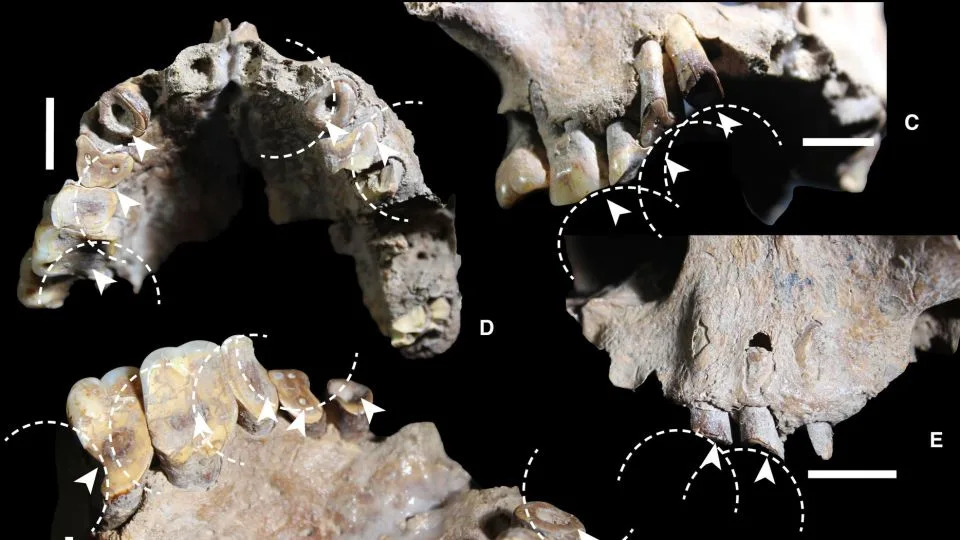
Deep grooves on the teeth suggest that the foragers developed a betel nut habit. - Adam Brumm/Griffith University
Why This Matters
This multidisciplinary study—combining dental morphology, molecular traces and receptor biochemistry—pushes habitual plant-drug use back well before the Neolithic transition to farming and suggests that nondietary plant consumption for pain relief or altered states is an ancient human behavior. The work also raises broader questions about other prehistoric substance uses, such as fermentation, that may predate agriculture.

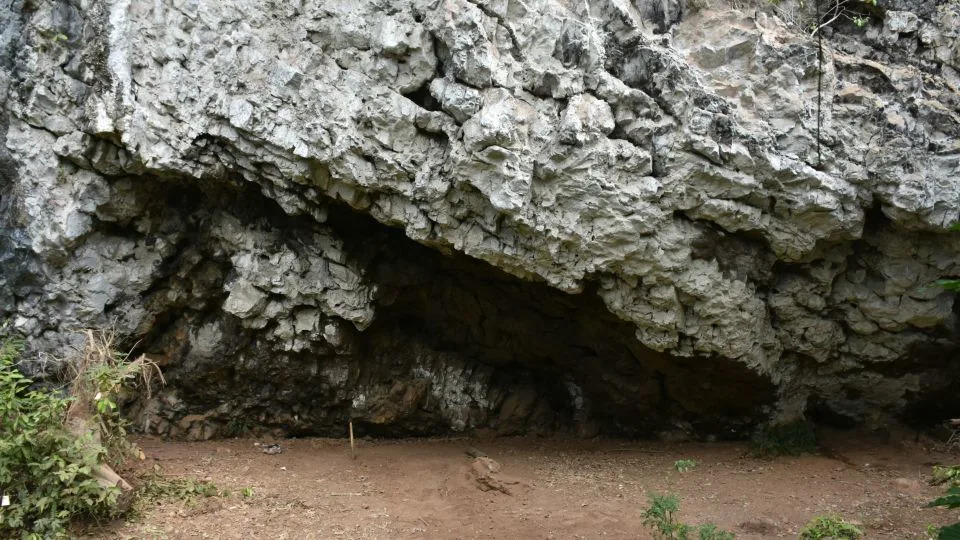
The older forager's remains were excavated from the Leang Bulu Bettue cave. - Basran Burhan
Methods Note
The team used radiocarbon and stratigraphic dating for site chronology, microscopic dental-wear analysis to infer habitual behavior, mass spectrometry to detect arecoline residues in dental tissues, and receptor assays using cloned human proteins to test neuroactive effects from saliva extracts.
Implications: The study reframes our understanding of early human interactions with psychoactive plants and highlights how cultural remedies can lead to unintended, long-term health consequences.
Help us improve.