Global sea levels are roughly 8–9 inches higher than in 1880, and the pace of rise has more than doubled in the last 25 years, trends scientists link to human-produced greenhouse gases. A Yale Program survey finds about 27% of U.S. adults say global warming has little or no effect on rising seas. Using that survey, Climate Crisis 247 ranked 10 coastal U.S. metro areas where denial is particularly common; Panama City tops the list at 38.8%. Climate Central projections show that by 2100 local sea level rise could differ by more than a foot depending on emissions choices.
Sea Levels Are Rising — 10 U.S. Coastal Cities Where Many Residents Deny The Link
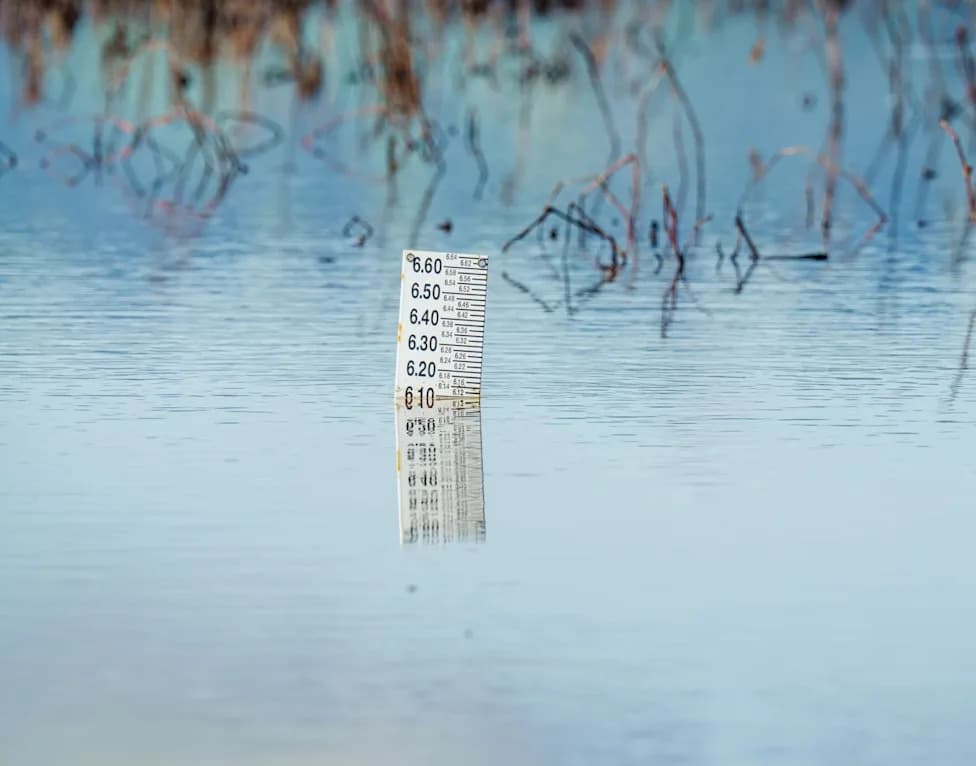
Photo by Robert So on Pexels
Global sea levels have risen at an unprecedented pace during the 20th and early 21st centuries. The National Oceanic and Atmospheric Administration (NOAA) estimates the world's oceans are about 8–9 inches higher on average than they were in 1880, and the rate of rise over the last 25 years has more than doubled compared with the prior century. Scientists overwhelmingly link this acceleration to human-caused greenhouse gas emissions.
Burning fossil fuels releases billions of tons of carbon dioxide, methane and other heat-trapping gases each year. These emissions accumulate in the atmosphere, drive global temperatures upward, and contribute to melting ice and thermal expansion of the oceans. Researchers at NASA note that current warming is occurring roughly ten times faster than comparable points in past climate cycles over the last 800,000 years.
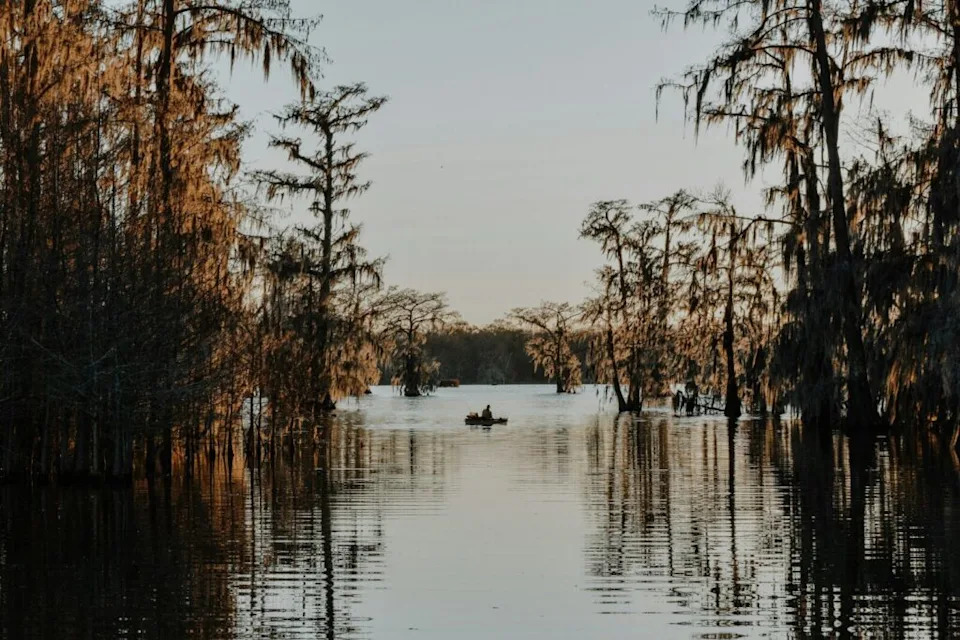
Photo byNicole HerreroonUnsplash
The Intergovernmental Panel on Climate Change (IPCC) and regional analyses show that some sea level rise this century is already unavoidable. However, the amount of future rise depends strongly on future emissions: immediate, deep cuts to greenhouse gases would substantially reduce local sea level increases compared with a high-emissions trajectory. Climate Central's Coastal Risk Finder provides localized projections under different emissions scenarios.
Why this matters: Despite the scientific consensus, a sizable share of Americans—about 27% according to the Yale Program on Climate Change Communication (YPCCC)—say global warming has little or no effect on rising sea levels. Climate Crisis 247 used YPCCC survey data to rank coastal U.S. metropolitan and micropolitan areas by the share of adults who reject the link between warming and sea level rise. Below are the 10 areas with the highest shares of denial, along with Climate Central projections for local sea level change under three emissions scenarios.
10. Brunswick, Georgia
- Share who say global warming has little or no effect on sea level rise: 34.6% (≈ 31,716 people)
- Projected local rise (Immediate cuts): 1.0 ft by 2050, 1.8 ft by 2100
- Projected local rise (Current commitments): 1.0 ft by 2050, 2.4 ft by 2100
- Projected local rise (Unchecked pollution): 1.1 ft by 2050, 3.1 ft by 2100
9. Lafayette, Louisiana
- Share: 34.7% (≈ 108,246 people)
- Immediate cuts: 1.6 ft by 2050, 3.3 ft by 2100
- Current commitments: 1.7 ft by 2050, 3.8 ft by 2100
- Unchecked pollution: 1.8 ft by 2050, 4.5 ft by 2100
8. Punta Gorda, Florida
- Share: 35.4% (≈ 62,805 people)
- Immediate cuts: 0.9 ft by 2050, 1.8 ft by 2100
- Current commitments: 1.0 ft by 2050, 2.3 ft by 2100
- Unchecked pollution: 1.1 ft by 2050, 3.0 ft by 2100
7. Jacksonville, North Carolina
- Share: 35.5% (≈ 55,534 people)
- Immediate cuts: 1.0 ft by 2050, 1.9 ft by 2100
- Current commitments: 1.1 ft by 2050, 2.5 ft by 2100
- Unchecked pollution: 1.2 ft by 2050, 3.1 ft by 2100
6. Crestview–Fort Walton Beach–Destin, Florida
- Share: 37.0% (≈ 86,380 people)
- Immediate cuts: 0.9 ft by 2050, 1.7 ft by 2100
- Current commitments: 0.9 ft by 2050, 2.2 ft by 2100
- Unchecked pollution: 1.0 ft by 2050, 2.8 ft by 2100
5. Lake Charles, Louisiana
- Share: 37.4% (≈ 68,411 people)
- Immediate cuts: 1.4 ft by 2050, 2.7 ft by 2100
- Current commitments: 1.3 ft by 2050, 3.3 ft by 2100
- Unchecked pollution: 1.5 ft by 2050, 4.0 ft by 2100
4. Morehead City, North Carolina
- Share: 38.0% (≈ 21,820 people)
- Immediate cuts: 1.1 ft by 2050, 2.0 ft by 2100
- Current commitments: 1.1 ft by 2050, 2.6 ft by 2100
- Unchecked pollution: 1.2 ft by 2050, 3.2 ft by 2100
3. Houma–Thibodaux, Louisiana
- Share: 38.3% (≈ 58,901 people)
- Immediate cuts: 1.8 ft by 2050, 3.7 ft by 2100
- Current commitments: 1.9 ft by 2050, 4.3 ft by 2100
- Unchecked pollution: 2.0 ft by 2050, 5.0 ft by 2100
2. Daphne–Fairhope–Foley, Alabama
- Share: 38.5% (≈ 75,037 people)
- Immediate cuts: 0.9 ft by 2050, 1.7 ft by 2100
- Current commitments: 1.0 ft by 2050, 2.3 ft by 2100
- Unchecked pollution: 1.0 ft by 2050, 2.9 ft by 2100
1. Panama City, Florida
- Share: 38.8% (≈ 64,964 people)
- Immediate cuts: 0.8 ft by 2050, 1.6 ft by 2100
- Current commitments: 0.9 ft by 2050, 2.1 ft by 2100
- Unchecked pollution: 1.0 ft by 2050, 2.8 ft by 2100
Takeaway: These figures highlight a troubling disconnect: many at-risk coastal communities show high rates of skepticism about the role of human-caused warming in sea level rise. The Climate Central projections demonstrate that local sea level outcomes by 2100 could differ by more than a foot depending on global emissions choices—underscoring both the risk faced by these communities and the degree to which future impacts remain controllable.
Data sources: NOAA, NASA, the Yale Program on Climate Change Communication (survey), Climate Central's Coastal Risk Finder. The Yale program did not analyze or endorse the interpretations presented here.
Help us improve.