The Fair Price Protection Act, signed July 23, bans retailers in New Jersey from using personal data or AI to set individualized prices for groceries and other essential items. The law prohibits price differences based on browsing history, location data or past purchases, while preserving loyalty programs and broadly available discounts. New electronic shelf label installs are paused for one year while the New Jersey Innovation Authority studies the technology. New Jersey is the third state to restrict "surveillance pricing," joining Maryland and Connecticut.
New Jersey Bans AI-Driven "Surveillance Pricing" for Groceries and Essentials

Photo Credit: Getty Images
New Jersey has enacted a new consumer-protection law that bars retailers from using personal data and automated decision-making to charge different shoppers different prices for the same essential items.
On July 23, Governor Phil Murphy signed the Fair Price Protection Act after it won final legislative approval on June 30. The signing took place during an event at a Newark grocery store and was intended to curb so-called "surveillance pricing," where algorithms and mined personal data are used to estimate what an individual shopper can or will pay.
What the Law Prohibits
The statute prohibits retailers from setting individualized prices for groceries and other essential goods by collecting or analyzing personal information such as browsing history, location data, purchase history, or other behavioral signals to determine a shopper's willingness to pay. In short, stores may not rely on surveillance-style tracking or AI-driven profiling to levy higher prices on some shoppers.
Key Details and Exceptions
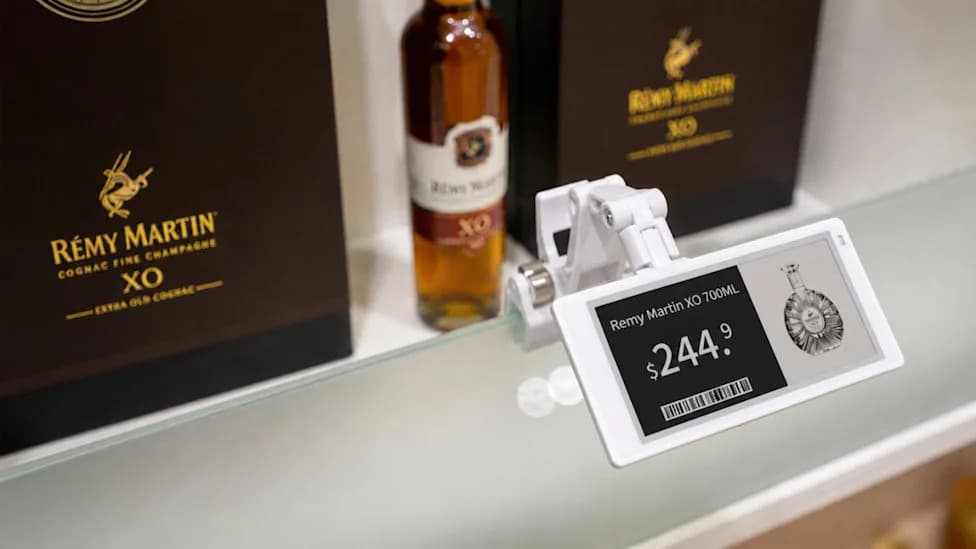
The law explicitly preserves common, broadly available cost-saving measures. Loyalty programs, general coupons, storewide discounts and customer-wide promotions remain permitted. Existing electronic shelf labels (ESLs) may continue to be used and repaired or replaced, but the act pauses any new ESL installations for one year while the New Jersey Innovation Authority studies the technology's impacts.
Sponsors and Context
The bill was sponsored in the Legislature by state Senators Joe Cryan and Joe Lagana and Assembly members Rosaura Bagolie, Annette Quijano and Chigozie Onyema. New Jersey is now the third state to restrict surveillance pricing for groceries—joining Maryland and Connecticut—while similar proposals are under consideration in California, New York, Massachusetts and Illinois.
“This law puts New Jersey shoppers first by protecting their privacy and ensuring fairness in pricing,” Gov. Murphy said at the signing.
Arguments For and Against
Supporters of the law argue targeted pricing disproportionately harms low-income households and communities of color by extracting higher prices from people perceived as able to pay more. Damon King, senior counsel at the New Jersey Institute for Social Justice, warned that surveillance pricing could worsen economic strain for already vulnerable households.
Opponents, including Michele Siekerka of the New Jersey Business and Industry Association, cautioned that limiting personalized pricing tools could undermine coupons, loyalty benefits and other targeted savings that some consumers value. The statute attempts to strike a balance by banning the use of personal data to tailor essential-goods prices while allowing broadly available discounts and programs.
What Comes Next
The New Jersey Innovation Authority will study electronic labeling and related technologies during the one-year pause on new ESL installs. Lawmakers and consumer advocates will likely monitor enforcement and any unintended effects on pricing, promotions and retail innovation as the measure is implemented.
Bottom line: The Fair Price Protection Act aims to protect consumers’ privacy and ensure fair pricing for essential goods by preventing AI- and data-driven, individualized price discrimination while preserving widely available savings programs.
Help us improve.