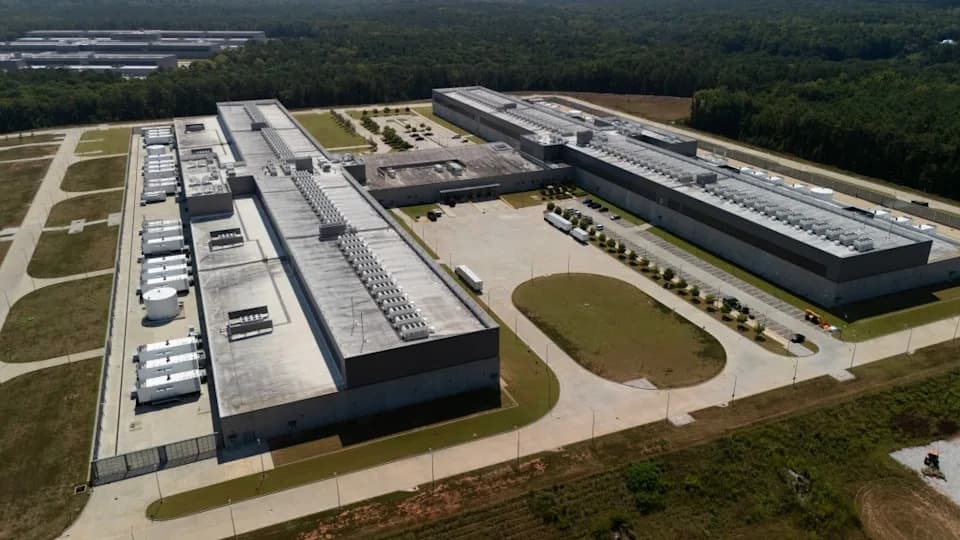
Willie Nelson, the 91‑year‑old Farm Aid co‑founder from Abbott, Texas, has criticized the rapid expansion of data centers, calling them "water‑thieving" and harmful to rural communities. He points to large water withdrawals (an estimated 1–5 million gallons per day in some cases), rising electricity demand and local quality‑of‑life impacts. Nelson’s long record of advocacy gives weight to complaints echoed by environmental and community groups, and his intervention highlights the need for community input and stronger local protections as AI infrastructure grows.
Willie Nelson Warns Data Centers Are Draining Rural Resources — A Spotlight On Water, Power and Local Control
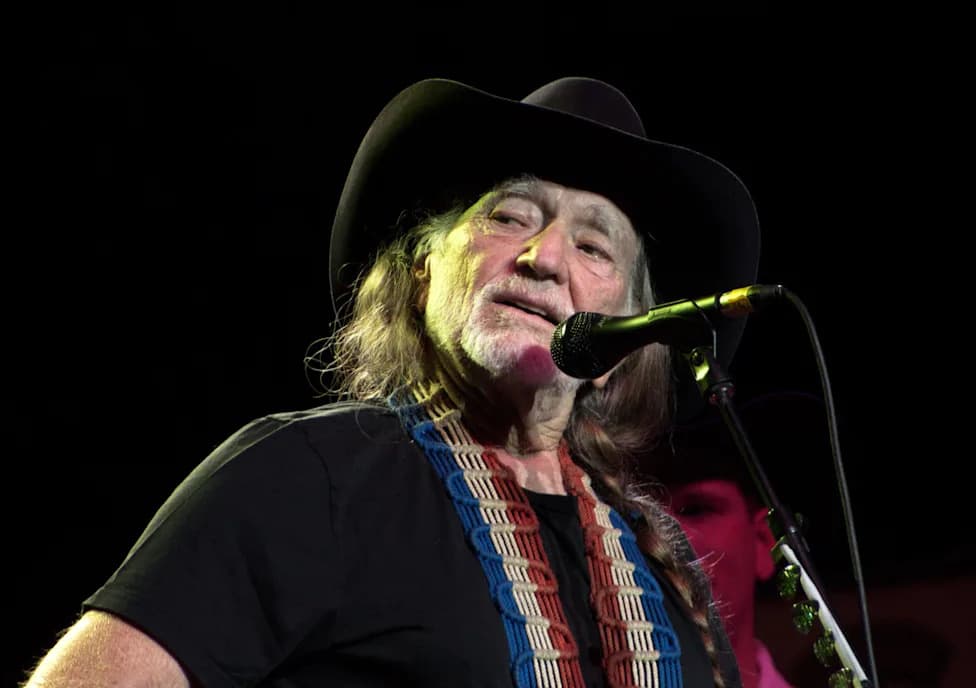
Image: Wikimedia
Somewhere in rural America, a farmer’s well can end up competing with a nearby server farm for the same groundwater — and that conflict has drawn a high-profile critic.
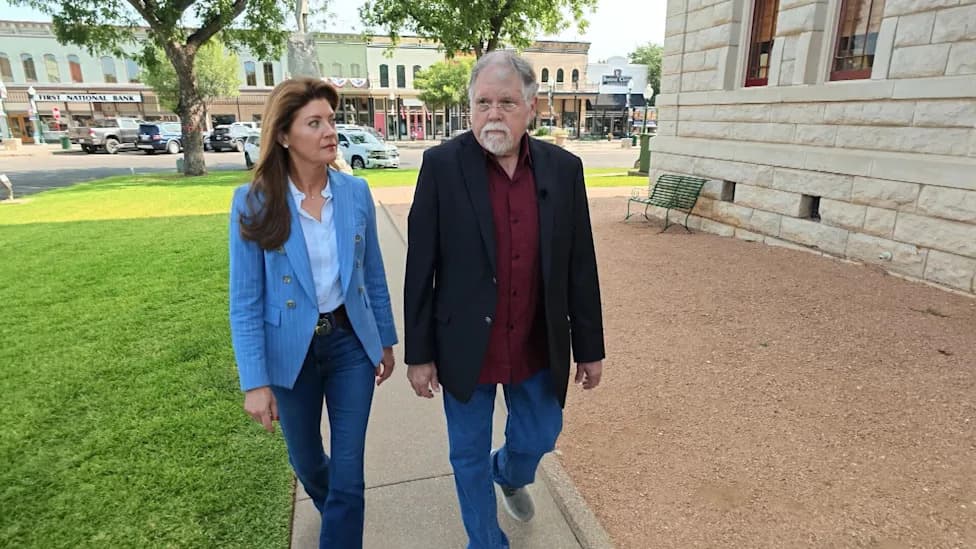
Willie Nelson, the 91-year-old Abbott, Texas native and co-founder of Farm Aid, has publicly pushed back against the expansion of data centers, calling them "a loud, water‑thieving, light‑polluting data center anywhere near our town." Nelson framed the recent growth of AI‑focused infrastructure not as straightforward progress but as a form of resource extraction that can hollow out small communities.
Why Nelson Is Speaking Out
Nelson’s long record with Farm Aid and deep ties to Texas farming communities give his concerns more weight than a passing celebrity remark. He laid out several core objections that reflect worries community groups and environmental advocates have raised across the country:
- Environmental damage: Data centers "only destroy the environment around them," he said, offering little tangible benefit to displaced communities.
- Threat to farmland and livelihoods: Nelson warned against allowing facilities to "steal farmland" and imperil small family farmers.
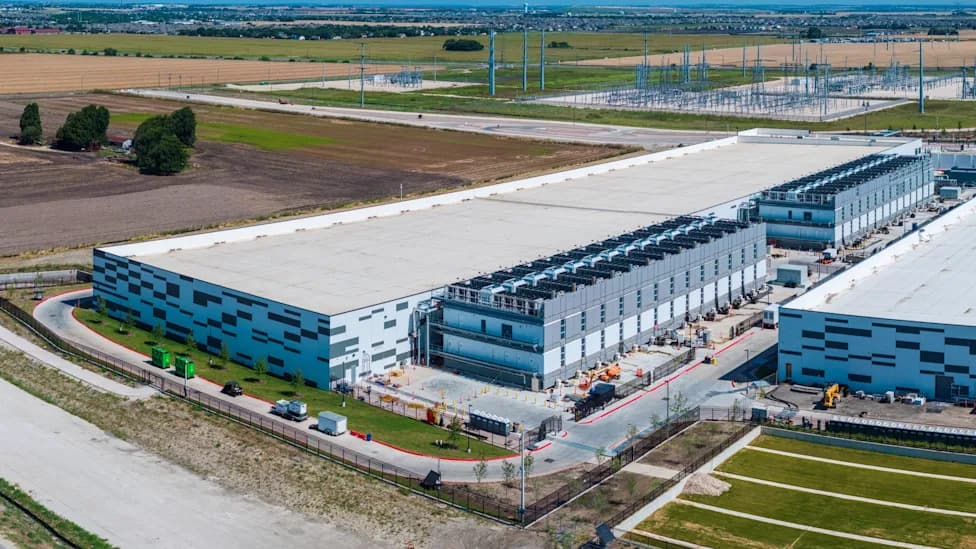
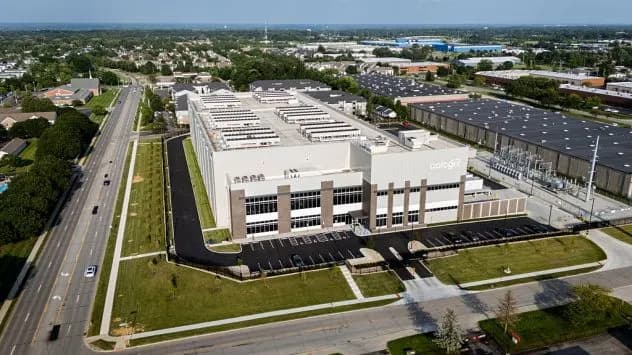
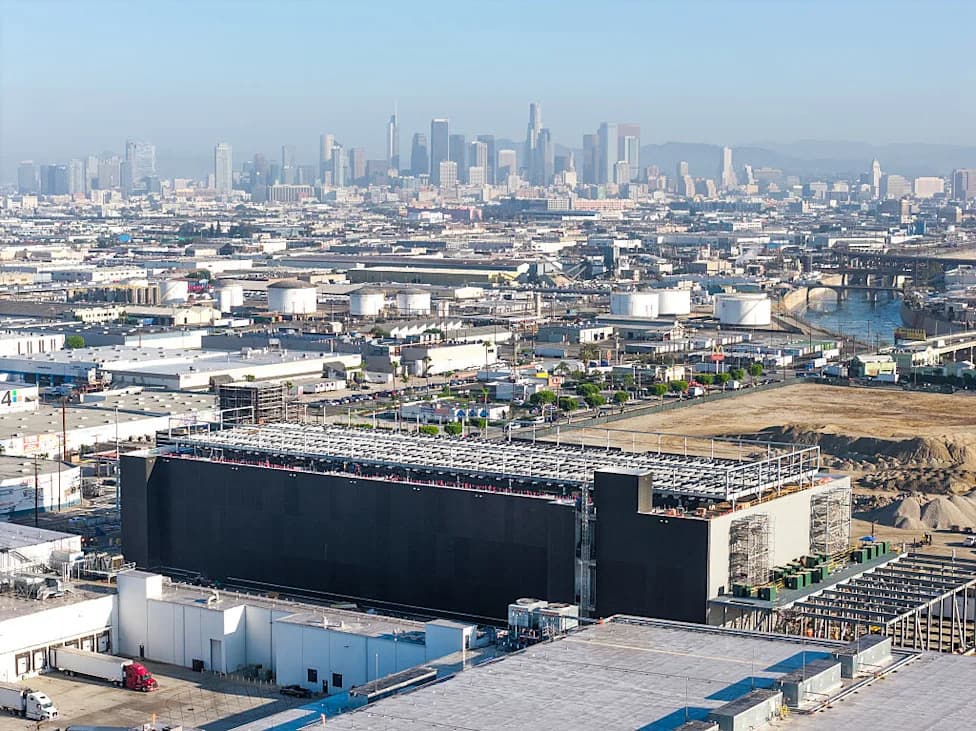
- Water use: Some AI‑focused facilities can consume an estimated 1 to 5 million gallons of water per day in certain configurations, increasing pressure on local aquifers and municipal supplies.
- Energy demand: U.S. data‑center electricity demand is projected to rise sharply in coming years, adding stress to already burdened grids.
- Quality‑of‑life impacts: Communities report higher utility bills, noise, light pollution and other local costs that often fall on residents and municipal systems rather than operators.
"Rural America’s strength comes from the people and the land, not from ever‑expanding industrial footprints," Nelson wrote, underscoring his view that local voices must be part of decisions about such projects.
Texas At The Center Of The Debate
Texas has become a magnet for data‑center development because of its land availability, business incentives and power infrastructure. That growth has put state and local leaders under pressure to weigh potential tax revenue and jobs against the tangible costs absorbed by residents — from depleted water sources to grid strain and higher local rates.
Nelson’s history with Farm Aid, disaster relief and long‑term advocacy for working farmers makes his objections harder to dismiss as celebrity grandstanding. Still, proponents note that data centers can bring investment and jobs to rural areas that need economic development.
What’s At Stake
The central question is not whether AI infrastructure will expand — it almost certainly will — but whether the communities providing the land, water and power will have meaningful input into the terms, or simply inherit the consequences. Local planning, stronger regulatory oversight, transparent agreements on water and power use, and community benefit provisions are among the tools that advocates say could help balance growth and protection of rural resources.
As data‑center demand accelerates, Nelson’s voice highlights a larger debate over who pays the real costs of technological growth: corporations seeking capacity, or the communities that host them.
Help us improve.