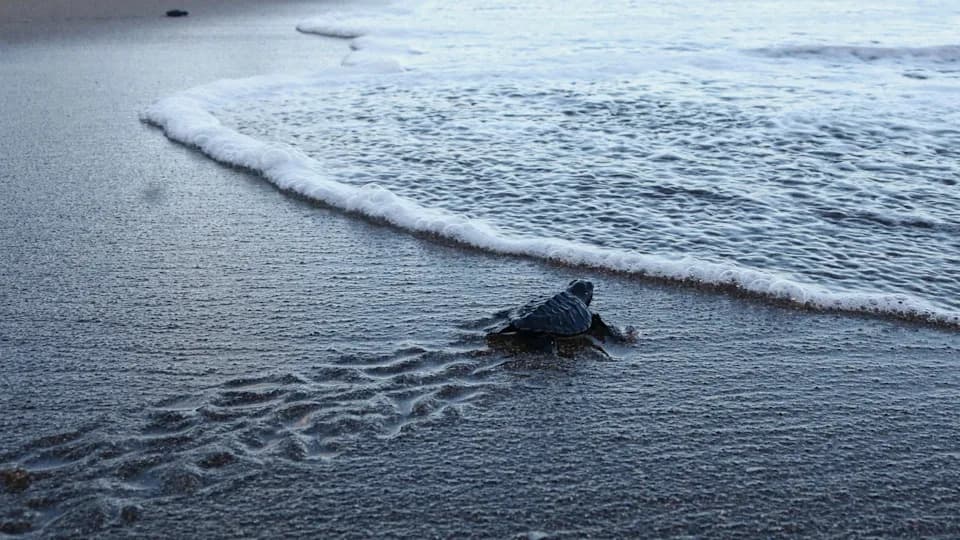
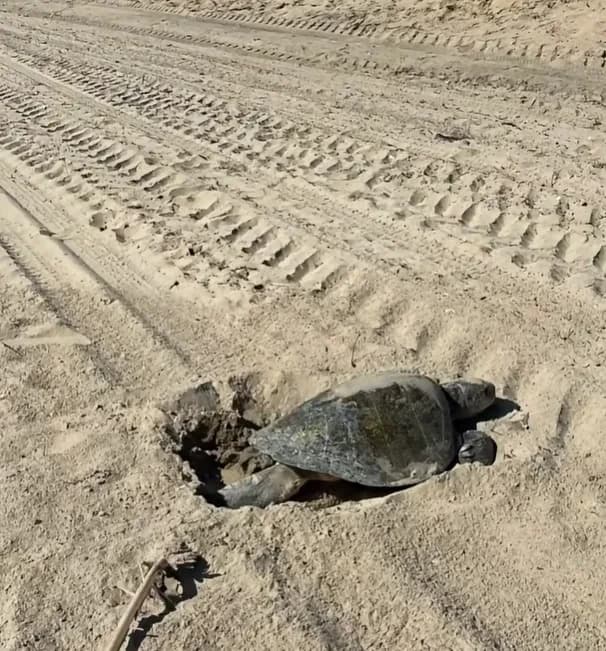
Florida's 2026 sea turtle nesting season is unusually active. As of June 30 the FWC reported 2,152 leatherback nests and 94,667 loggerhead nests — totals that could set state records. Local patrols and Visit Florida note that roughly 90% of U.S. sea turtle nesting occurs in Florida, and researchers called the state's first confirmed Olive Ridley nest this season a remarkable find. Increased nesting highlights the need for continued beach protections and volunteer monitoring.
Florida Sea Turtle Nesting Season Poised To Break Records in 2026
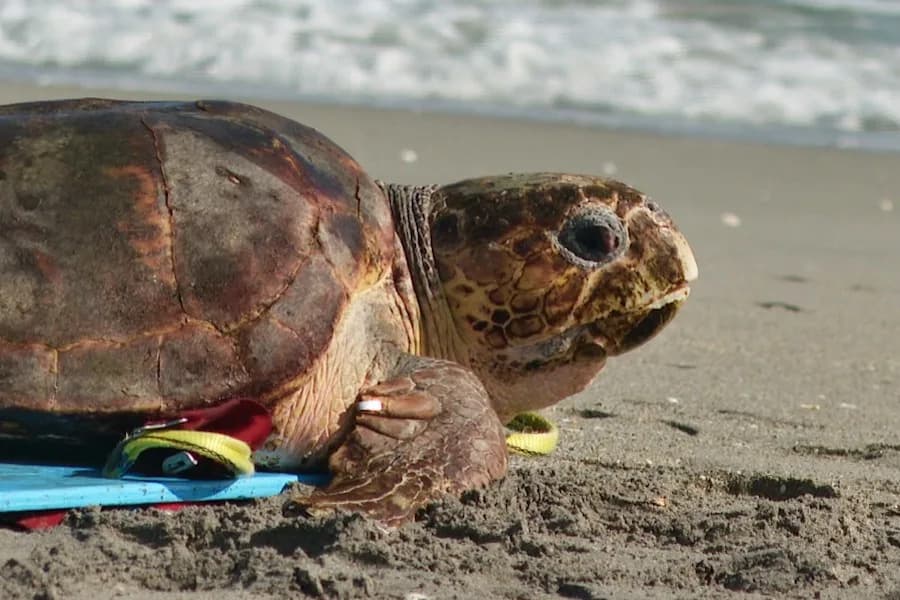
The 2026 sea turtle nesting season in Florida is unusually active, with at least two species on track to set state records. Federal and state researchers, local monitoring groups and volunteers are reporting high nest counts statewide as the season continues through October.
Update Through June 30, 2026
The FWC Fish and Wildlife Research Institute reported an unprecedented 2,152 leatherback nests identified in Florida as of June 30 — a total that would establish a new state record if confirmed. Loggerhead turtles are also trending toward record numbers, with 94,667 nests documented statewide by the end of June, the highest mid-season total in recent years.
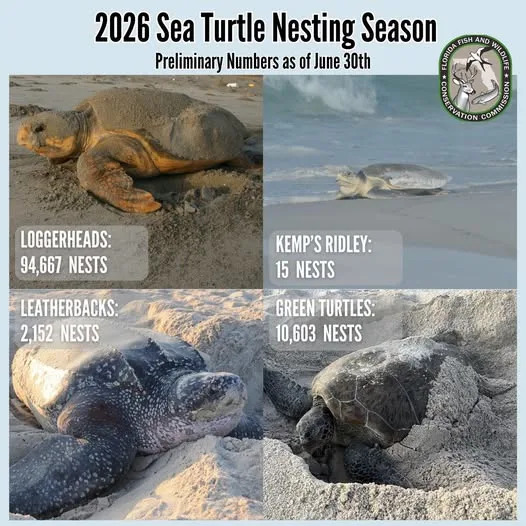
2026 Sea Turtle Nesting Season graphic (FWC Fish and Wildlife Research Institute)
Nests by Species (Through June 30)
- Loggerhead: 94,667 nests
- Green Turtle: 10,603 nests
- Leatherback: 2,152 nests
- Kemp's Ridley: 15 confirmed nests
- Olive Ridley: 1 confirmed nest
- Hawksbill: 0 nests
Visit Florida notes that roughly 90% of U.S. sea turtle nesting occurs in Florida between March and October, making the state a critical conservation area. Local groups are witnessing the surge firsthand: Duval County's Beaches Sea Turtle Patrol, which surveys Jacksonville Beach, Neptune Beach and Atlantic Beach, reported 117 nests on those shores as of July 26 — a record for that local stretch.
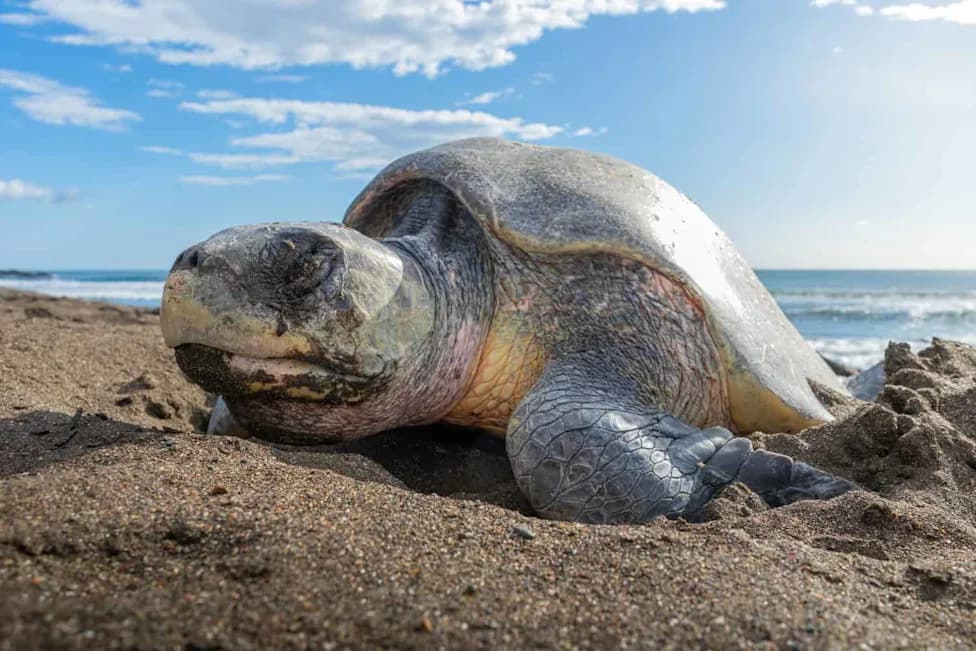
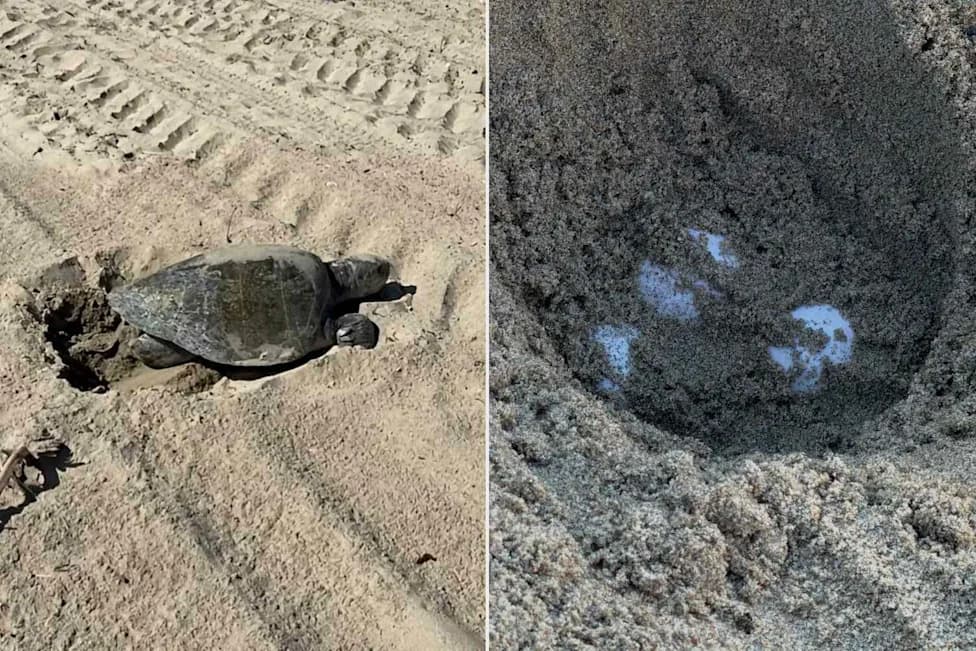
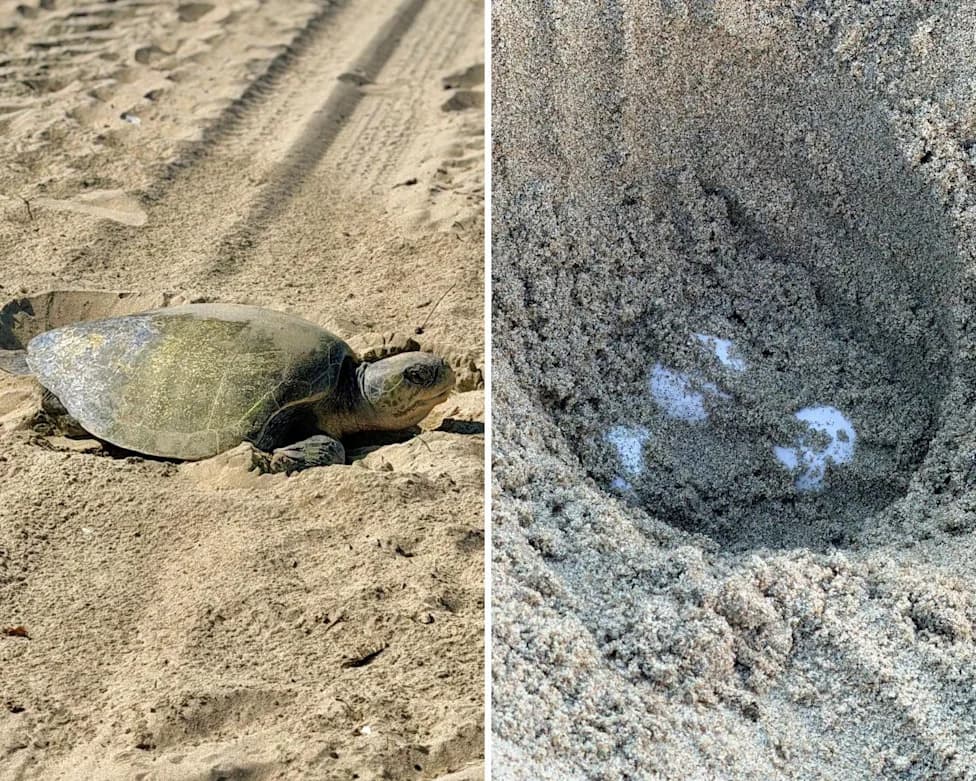
Researchers highlighted the season's first confirmed Olive Ridley nest in Florida as one of the most remarkable discoveries of 2026, underscoring both the unusual activity and the importance of careful monitoring.
What This Means and How You Can Help
More nests are generally good news for population recovery, but higher nesting also increases the need for beach protections, volunteer monitoring, and public awareness. Beachgoers should follow local guidelines: keep lights off at night, give nesting turtles and hatchlings plenty of space, and report injured or disoriented animals to local wildlife authorities.
Help us improve.