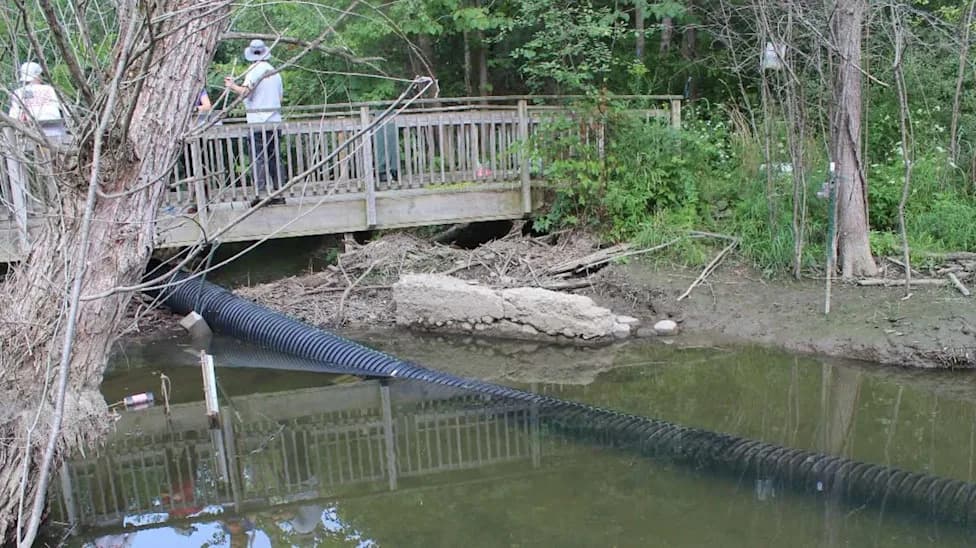
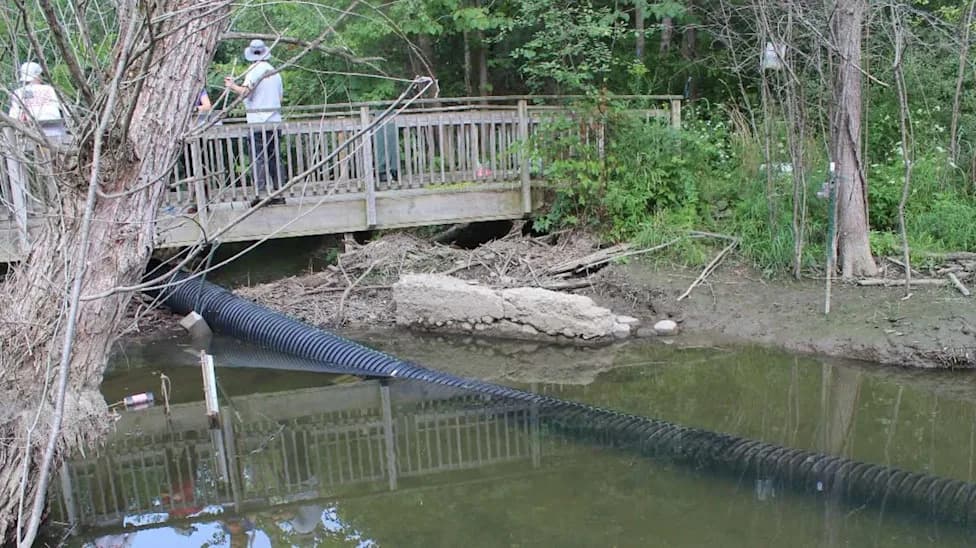
The North Fork Toutle River near Mount St. Helens has begun recovering from decades of volcanic sediment after a 2021 effort to relocate about 58 beavers to Eco Park Resort. Beaver dams and channels have deepened ponds, encouraged willow and alder regrowth, and created habitat for ducks, elk and fish including Chinook salmon and rainbow trout. The U.S. Army Corps of Engineers plans to raise a sediment-retention crest by 10 feet to reduce flood risk, a move the Smith family says would re-bury the restored wetlands. The family has filed notice of intent to sue and is urging nature-based alternatives to gray infrastructure.
Beavers Breathe Life Back into Mount St. Helens Riverbed — A Federal Plan Could Bury the Recovery
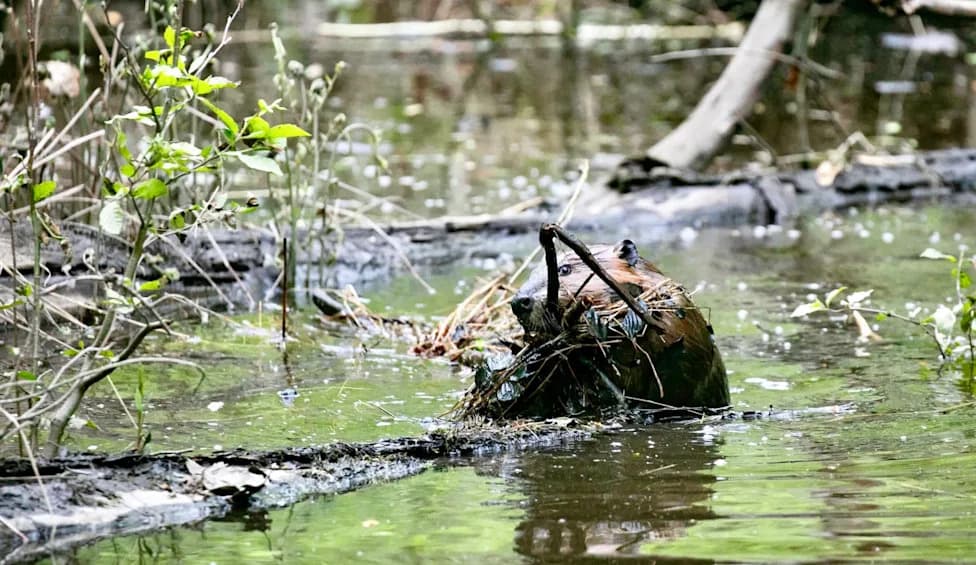
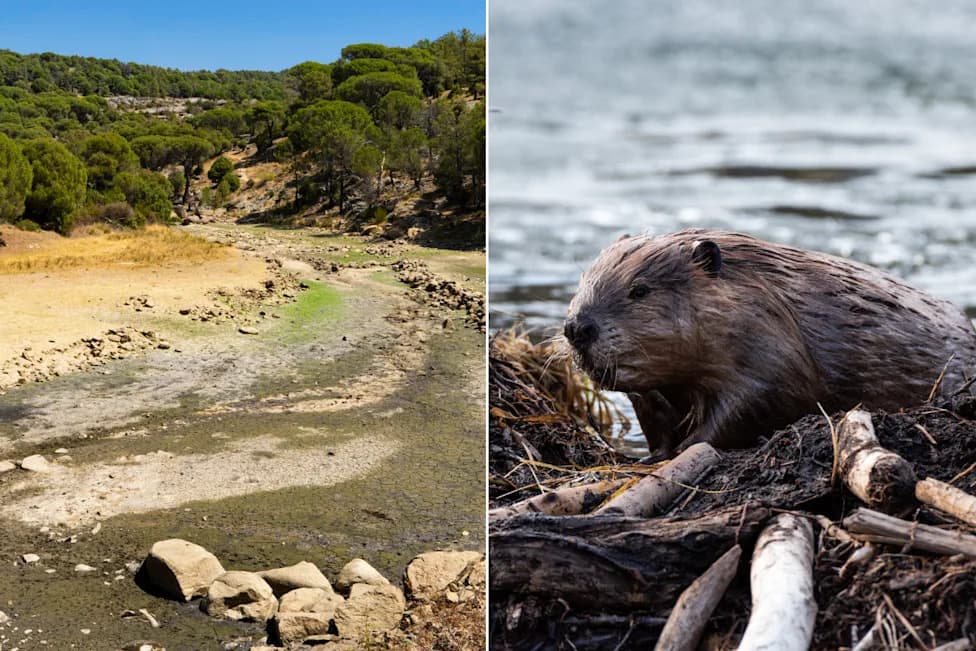
Photo Credit: iStock
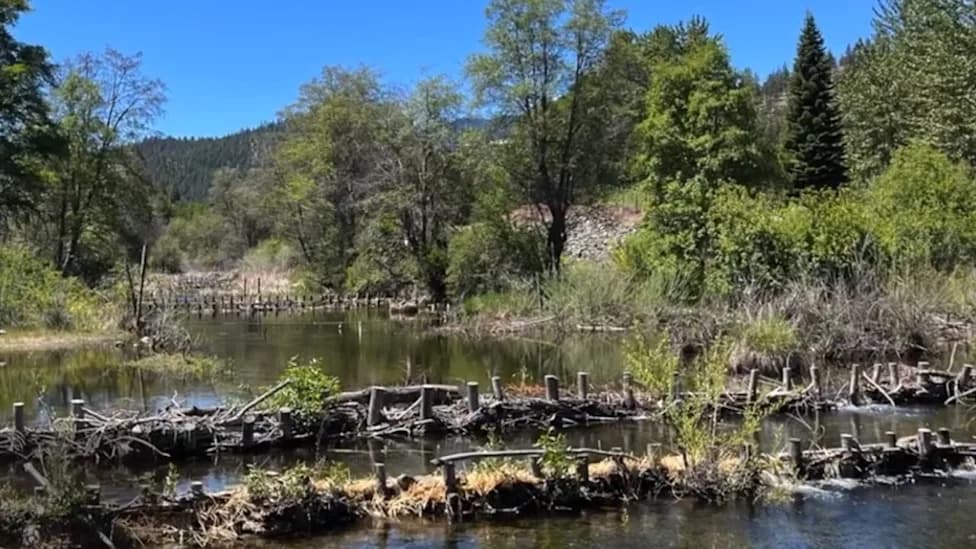
A reach of the North Fork Toutle River near Mount St. Helens that long lay buried under volcanic sediment has begun returning to wetland function — largely thanks to a coordinated beaver reintroduction on private land.
How the Comeback Began
In 2021, Eco Park Resort owners Mark and Dawn Smith, tribal natural resource staff and conservation groups began relocating beavers to the property. University of Minnesota geography professor Emily Fairfax told Mongabay that about 58 beavers were moved to the site over five years, including animals that might otherwise have been euthanized after conflicts with people elsewhere.
What the Beavers Have Done
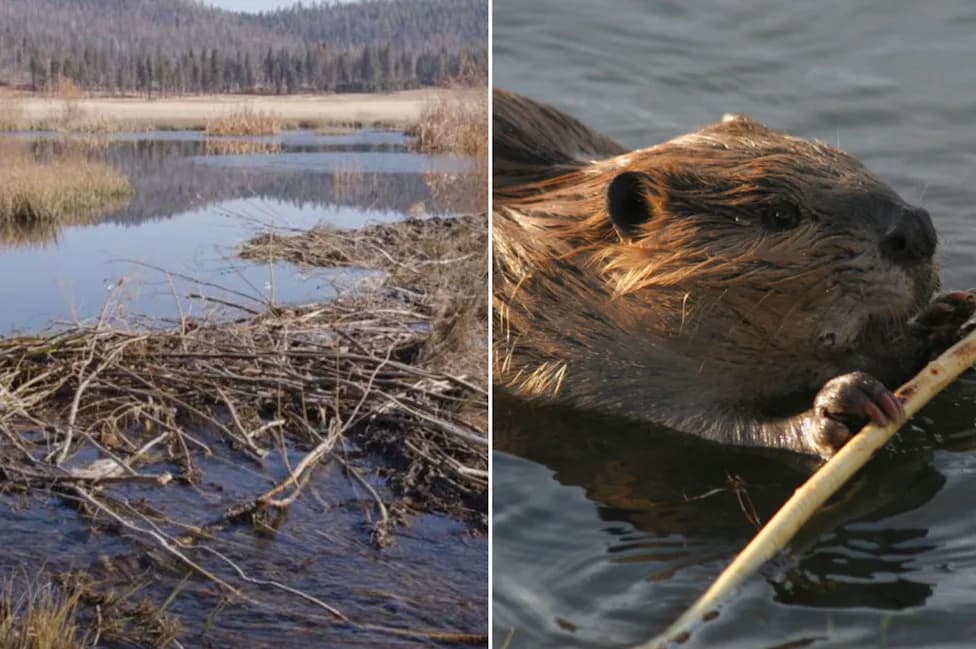
The beavers built dams and carved a network of what the Smiths describe as 'honeycomb' channels. Those structures deepened ponds, helped willows and alders reestablish, and created habitat used by waterfowl, elk and fish species such as Chinook salmon and rainbow trout. Some animals remain on the resort property while others have dispersed into connected waterways, extending the benefits beyond a single parcel.
Jonah Piovia-Scott, a biology professor at Washington State University, said it is striking how beaver engineering is helping to regreen what had been a volcanic wasteland.
The Threat: A Federal Sediment Plan
The recovery follows decades of sediment accumulation after the 1980 eruption of Mount St. Helens. In 1989, the U.S. Army Corps of Engineers constructed a sediment-retention structure to trap debris and reduce flood risks for downstream towns and shipping channels. The Corps now proposes raising the structure's crest by 10 feet to increase flood protection, a change that could divert fresh sediment onto the restored reach and smother the recovering wetlands and fish habitat.
Mark Smith has filed notice of his intent to sue the Corps, arguing the project would again bury the wetland and undermine a nature-based restoration that delivers habitat and other ecological benefits. He and local supporters are urging the Corps to consider nature-based alternatives that protect communities while preserving or enhancing ecological recovery.
Emily Fairfax noted that many of the relocated beavers were animals rescued from human-wildlife conflicts, highlighting how relocation and coexistence strategies can produce wins for wildlife and people.
Why This Matters
Healthy riparian systems sustain fish populations, boost biodiversity and support local livelihoods tied to fisheries and recreation. The case highlights a common tension: engineered 'gray' infrastructure can reduce immediate flood risk but may also undermine natural processes and the ecosystem services that communities increasingly rely on.
What’s next: The legal challenge and public debate over the Corps' plan will determine whether the restored wetlands remain protected or are again buried under trapped sediment. The Smith family says they will continue to help reestablish habitat if it is damaged.
Help us improve.