Authorities held a federal court session inside an alleged meth lab in a forest outside Lagos where three Mexican nationals and seven Nigerians were shown equipment and chemicals used to produce meth. NDLEA called the May raid the country’s largest meth seizure—over two tonnes valued at about $360m—and later uncovered another lab in Oyo State. International intelligence links some operations to Mexico’s major cartels and highlights a trend of Mexican "cooks" working with local partners in Africa, attracted by secluded sites, cheap labour and Atlantic shipping routes. Nigerian officials say on-site hearings, surveillance and intelligence-sharing aim to prevent the country becoming a production safe haven.
Mexican Cartels Set Up Meth Labs in Nigerian Forests as Global Trade Shifts
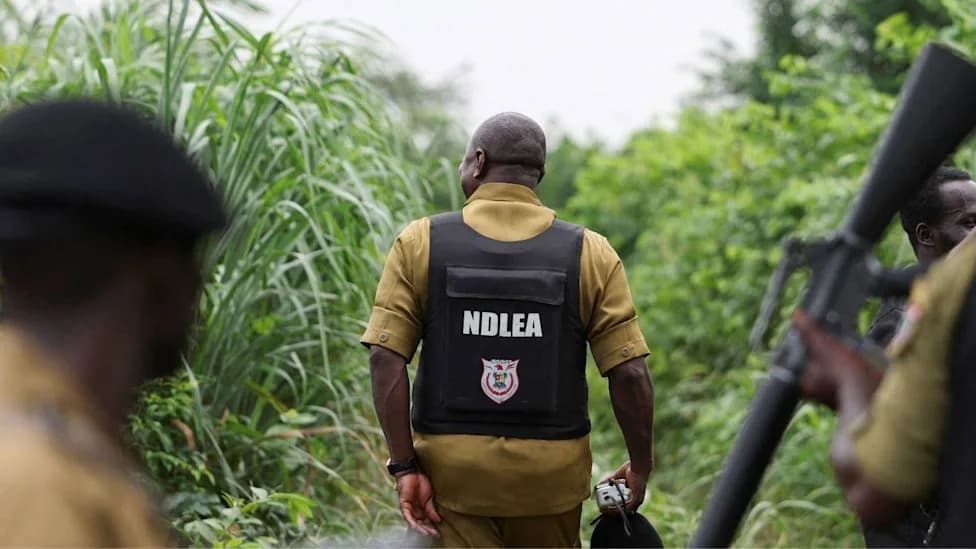
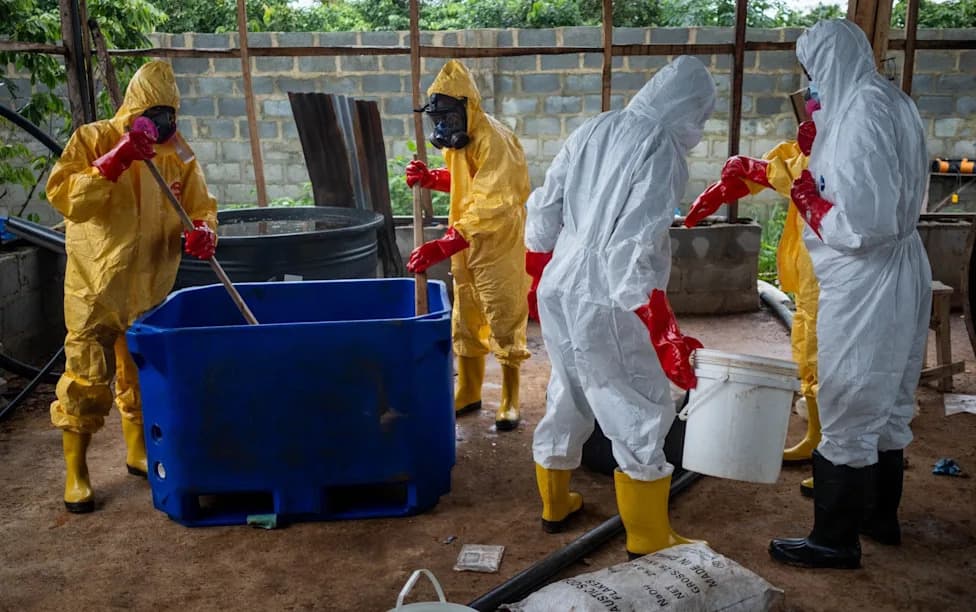
Anti-narcotics officers inspect the site of a suspected illegal drug laboratory in a dense forested area of western Nigeria [Reuters]
What began as an extraordinary court session revealed a deeper, evolving threat: a federal hearing was staged inside an alleged methamphetamine laboratory deep in a forest two hours from Lagos. Justice Musa Kakaki presided as officials displayed chemicals, equipment and seized products from an unfinished building investigators say was being used to manufacture meth—commonly called meth, crystal meth or locally, ice.
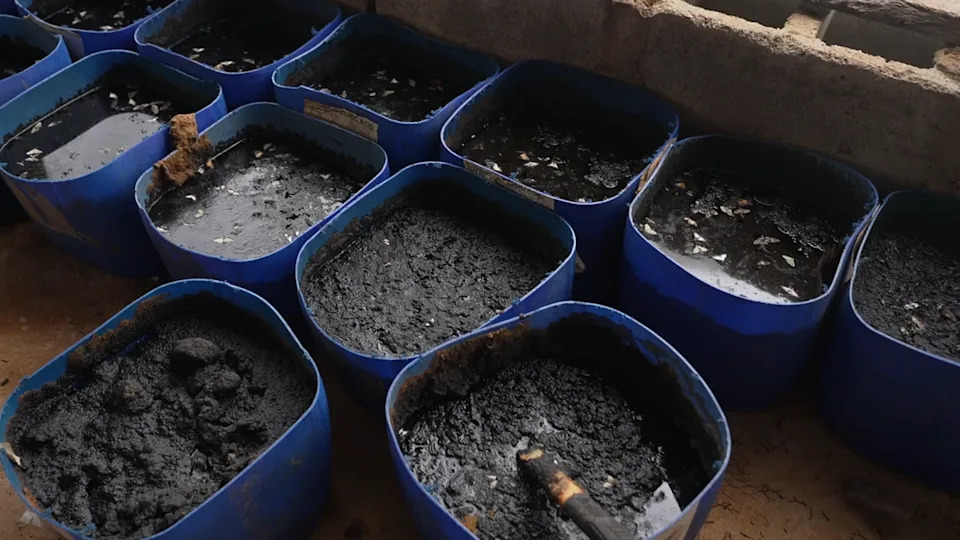
There were signs that the methamphetamine production process had been disturbed [BBC]
Raid and Arrests
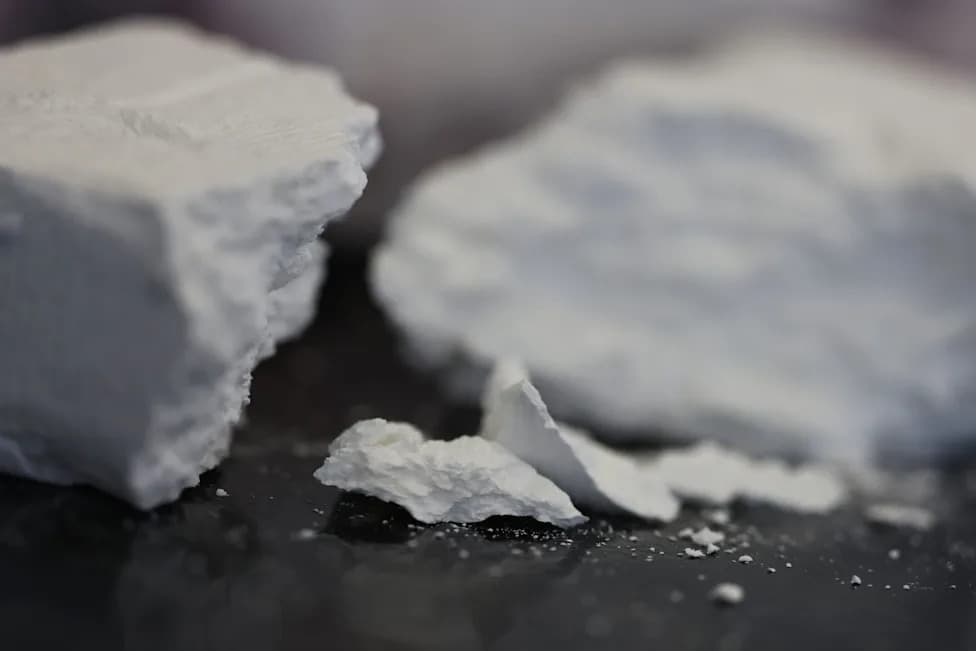
Three Mexican nationals and seven Nigerians were presented in handcuffs while agents pointed out a large drum of liquid meth in the process of crystallising, open vats of a dark viscous “crude” substance and scattered supplies such as propane cylinders and sacks of caustic soda. The National Drug Law Enforcement Agency (NDLEA) described the May operation as Nigeria’s largest-ever meth seizure, recovering more than two tonnes of methamphetamine with an estimated street value of roughly $360 million (about £270 million).
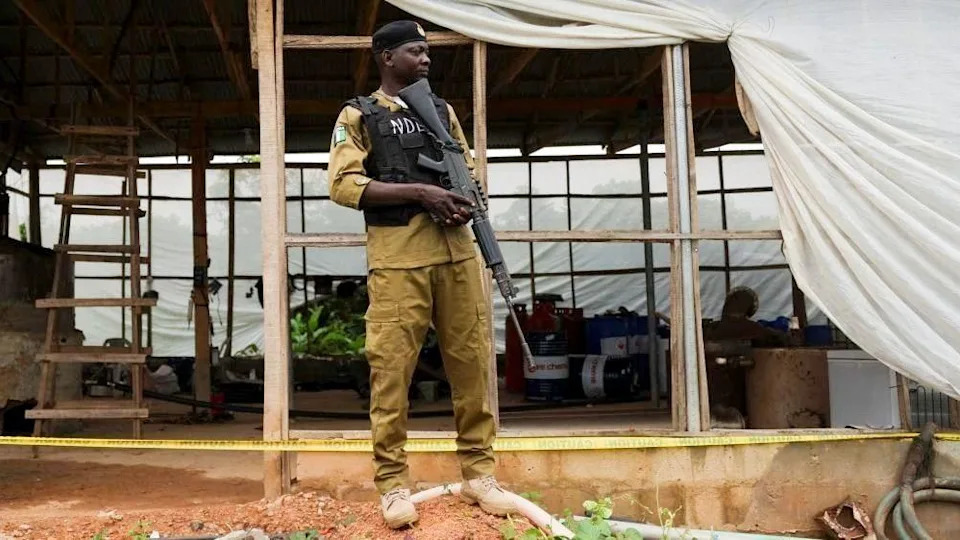
The temporary courtroom, where the suspects appeared on Wednesday, and the evidence were under heavy guard [Reuters]
Wider Pattern Across Africa
NDLEA agents uncovered another clandestine lab in a forest in neighbouring Oyo State the following month, arresting five suspects including a Mexican man described as a methamphetamine expert. Officials and international partners say these incidents reflect a broader shift: Mexican "cooks"—specialists in producing high-purity meth—are increasingly operating alongside local collaborators in African and European laboratories.
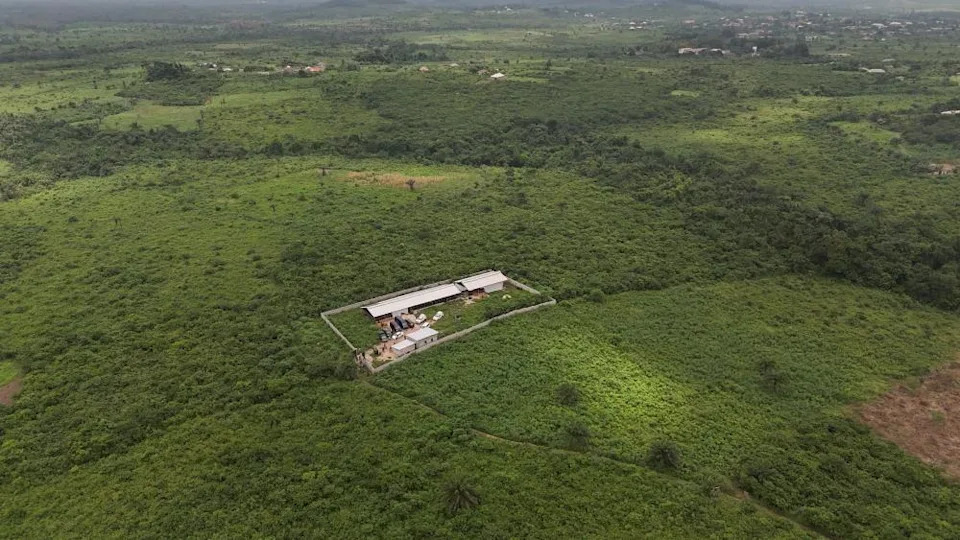
The alleged laboratory was hidden from prying eyes [Reuters]
“They perfected it, to the point now it is the highest purity, the highest potency version of meth.” — James Griego, US Africa Command (Africom).
Africom and the US Drug Enforcement Administration (DEA) have shared intelligence that helped local law enforcement target several of these sites. According to Africom figures cited to investigators, 14 Mexican-operated labs have been disrupted since 2023: one in 2023, six in 2024, two in 2025 and five in the current year, four of which were in Nigeria. Intelligence has linked some operations to Mexico’s largest cartels, notably the Sinaloa Cartel and the Jalisco New Generation Cartel.
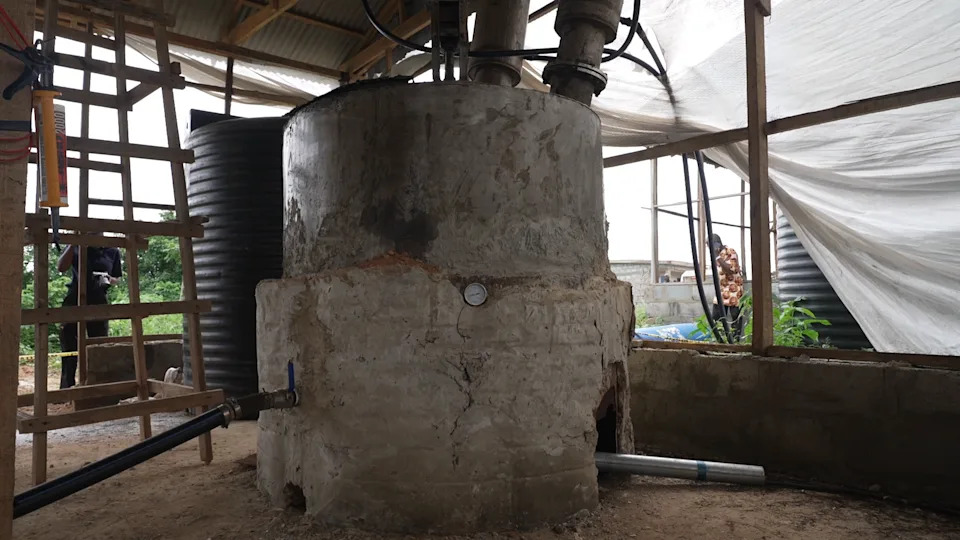
It looked like a sophisticated operation had been set up at the suspected meth laboratory [BBC]
Why West Africa?
Analysts point to several advantages that attract traffickers to West Africa: large tracts of forest that conceal operations, a youthful population supplying cheap labour and potential local markets, porous borders and relatively weak controls on chemical imports. Geographically, West Africa also provides convenient access to Atlantic shipping routes that shorten supply lines to Europe and Asia.
[BBC]
Public-Health and Security Consequences
Methamphetamine is a potent synthetic stimulant with severe health risks, including cardiovascular damage, extreme weight loss and elevated risk of blood-borne diseases among people who inject. Withdrawal often causes anxiety, deep depression, exhaustion and intense cravings. Officials fear that local consumption may increase: a 2018 survey estimated that 14.4% of Nigerian adults had used an illicit drug—more than double the global average estimated by the UN Office on Drugs and Crime (UNODC).
Global indicators also point to rising demand: the UNODC reported a 47% increase in methamphetamine use in Europe between 2014 and 2024, while east and southeast Asia recorded record meth seizures in 2024.
Law-Enforcement Response
Nigerian authorities say they are adapting with unconventional measures—such as staging court sessions at seizure sites—plus stepped-up surveillance, investigative intelligence and international cooperation. NDLEA spokesperson Femi Babafemi said those measures are designed to intercept operations before drugs infiltrate communities and international markets. Africom commander General Dagvin Anderson has warned lawmakers that traffickers increasingly collaborate with militant groups, potentially financing and expanding the reach of violent actors.
While recent raids suggest cartels are deepening operations in Africa, Nigerian agencies maintain that enhanced enforcement and intelligence-sharing can limit safe havens for organised crime.
Help us improve.