Millions of Americans in their 50s and 60s carry growing student loan balances that threaten their ability to retire. Federal data show borrowers 35 and older now outnumber younger borrowers, and those over 50 hold larger average debts. Policy shifts — including the end of the SAVE plan — interest capitalization, servicer disruptions and Parent PLUS loans have left some older borrowers facing six‑figure balances despite years of payments. Advocates call for clearer policy and repayment options that reflect older borrowers' realities.
‘I Don’t Know When Or If We Ever Can’: How Student Loan Debt Is Forcing Millions Of Older Americans To Delay — Or Abandon — Retirement

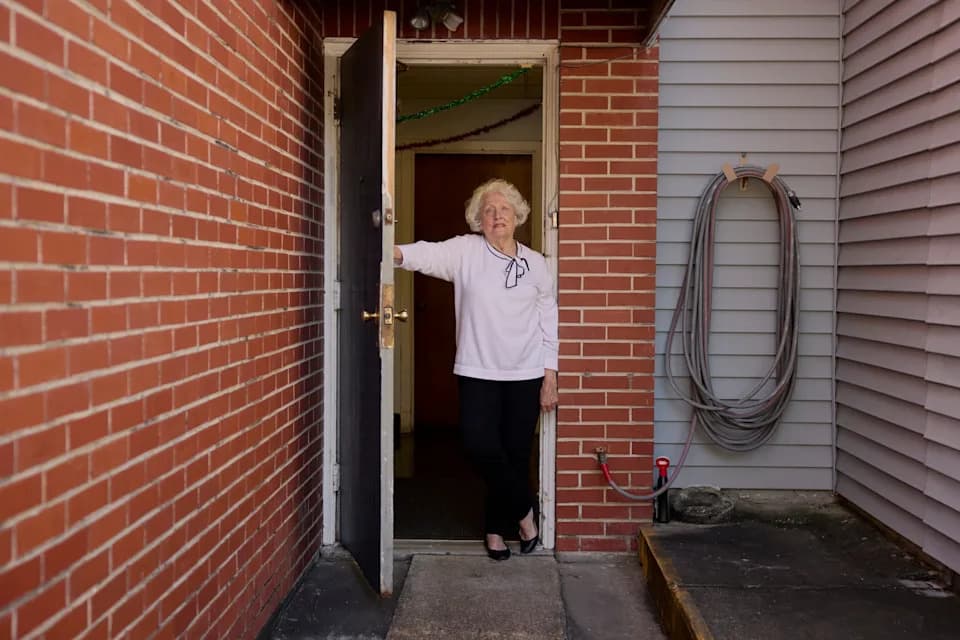
Marie Nickle, 61, is one of the millions of Americans who fears they’ll never be able to retire due to their student loan debt. Nickle, pictured with husband Joe, returned to school in 2015 so she could qualify as a special education teacher (Marie Nickle)
Marie Nickle has worked for most of her life. Now nearing 61, she finds herself imagining a quiet retirement of family time, travel and camping — plans she worries will never happen because of student loan debt.
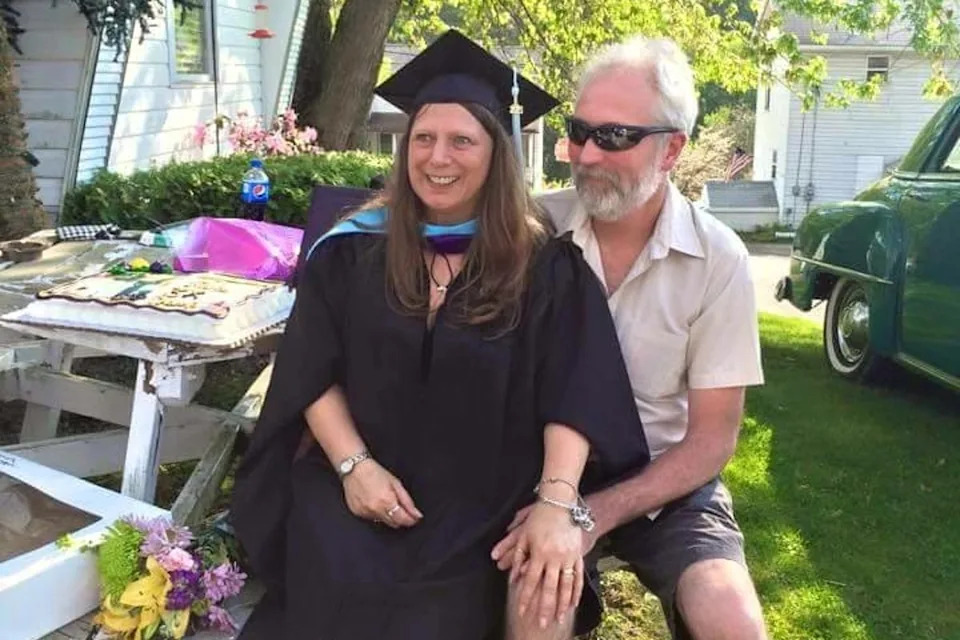
Marie Nickle, 61, is one of the millions of Americans who fears they'll never be able to retire due to their student loan debt. Nickle, pictured with husband Joe, returned to school in 2015 so she could qualify as a special education teacher (Marie Nickle)
“We want to retire so we can enjoy life, but we can't, and I don't know when or if we ever can,” Nickle said. She returned to school at 49 for a master's in special education and took federal loans to make the career move possible.
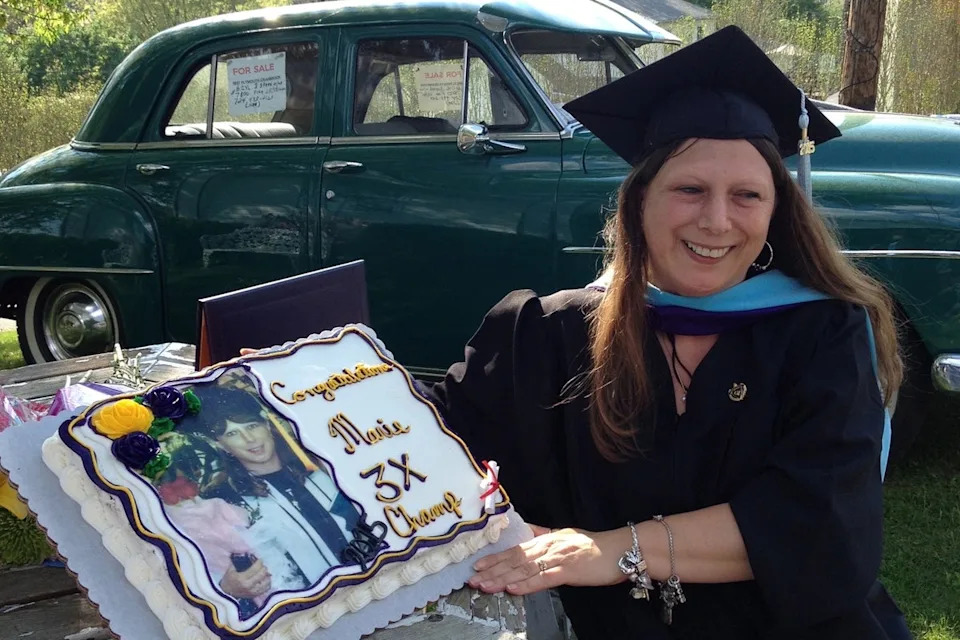
Nickle is one of 9.5 million Americans over 50 who collectively owe approximately $456.5 billion in federal student loan debt. She has paid back more than $75,000 of a $100,600 balance, but still owes approximately $25,000 (Marie Nickle)
The Bigger Picture
Student loan debt is often framed as a young person's burden, but federal data show borrowers aged 35 and older now outnumber younger borrowers: 24.6 million versus 20.2 million. Older borrowers also carry higher average balances — Americans over 50 hold about $47,500 on average compared with roughly $27,300 for borrowers under 35. In total, 9.5 million people over 50 owe nearly $456.5 billion in federal student loan debt.
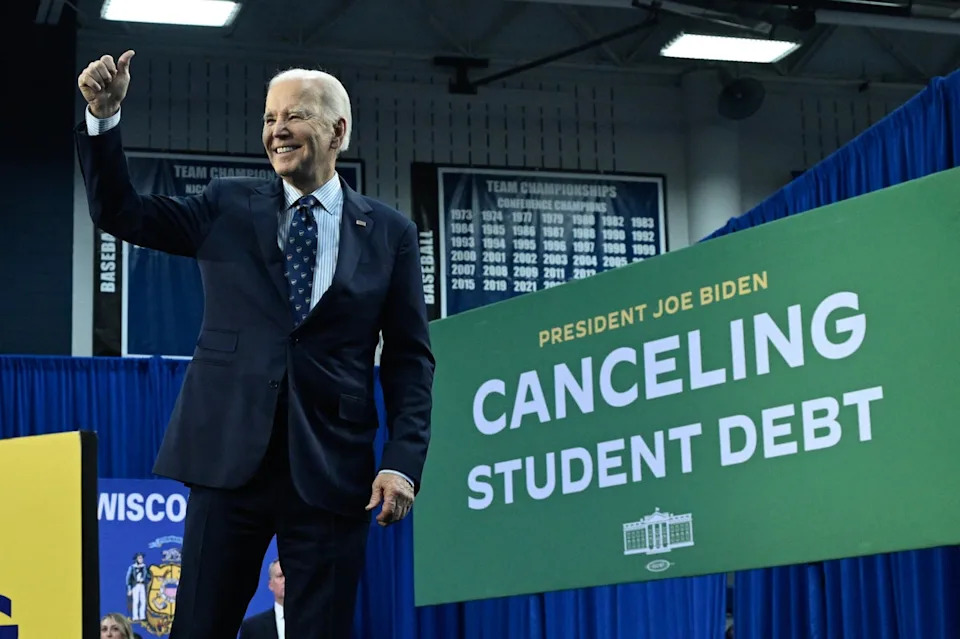
Nickle said the Saving on a Valuable Education plan — a Biden administration initiative that calculated monthly payments based on income and a borrower's family size — was a huge help until it was recently axed by the Trump administration (AFP/Getty)
Why Older Balances Have Grown
Experts point to several causes: borrowers taking longer to repay, more non‑traditional students returning to school in their 30s and 40s, Parent PLUS loans taken by parents for children's tuition, and decades of interest capitalization. Policy shifts and disruptions among loan servicers have also made navigation harder for older borrowers.
Betsy Mayotte, president and founder of The Institute of Student Loan Advisors, said the last five years have been 'the most chaotic policy in the history of the program' in her more than 25 years of research (AFP via Getty Images)
Betsy Mayotte, founder and president of The Institute of Student Loan Advisors, said: “The past five years have been the most chaotic policy in the history of the program. If it's hard for experts to keep up, how do we expect the general consumer to?”
Lives Affected: Three Personal Examples
Marie Nickle, 61 (Pennsylvania): Returned to school in 2015 and borrowed about $73,000. Despite paying roughly $250 a month for years and repaying more than $75,000, interest pushed her balance up to a peak of $100,600; she now owes about $25,000. The end of the SAVE income‑driven plan raised her payment to about $600 a month, threatening her ability to cut back hours or retire.
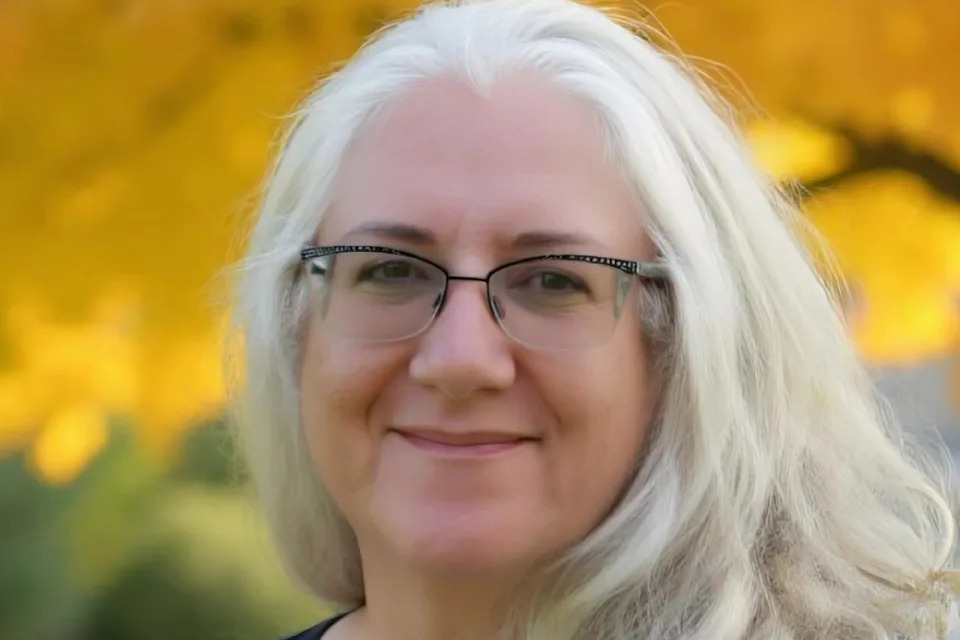
Arizona grandmother Carol Henderson-Dahms loves to work but believes she will die with student loan debt, she told The Independent. She described her debt as 'snowballing' over the decades, having been passed around so many different federal student loan servicers (Carol Henderson-Dahms)
Diane, 61 (Torrance, California): As a single parent, she took out Parent PLUS loans between 2011 and 2016 totaling about $60,000 for her two children. Parent PLUS loans typically carry higher rates and fewer repayment options; Diane's balance now sits around $120,000. Currently on an income‑driven plan, her monthly payment is about $80, which she calls manageable — but she expects the debt to outlive her.
Carol Henderson‑Dahms, 60 (Arizona): Earned a bachelor's in 1990 and a master's in 2002; initial debt was about $28,000. Over decades she made minimum payments and although she has repaid more than $100,000, accumulated interest and capitalization mean she still owes about $82,000. Now on an income‑driven plan, she pays just over $300 a month but expects that payment to jump to $800–$1,100 within a year after an income increase.
Policy Changes And Their Impact
Recent policy changes removed the SAVE (Saving On A Valuable Education) plan and introduced tighter limits on borrowing and repayment options. For many older borrowers who had relied on income‑driven plans, those changes have substantially increased monthly bills. In addition, long periods of forbearance, pandemic-era pauses, transfers among multiple loan servicers, and interest capitalization have amplified balances.
What Borrowers Say
Many older borrowers describe anxiety that their loans will determine whether they can retire or must keep working indefinitely. They call for clearer guidance from servicers, more predictable policy, and options that consider older borrowers' unique timelines and retirement needs.
Takeaway
Student loan debt is no longer solely a young‑adult issue: millions of older Americans face mounting balances, rising payments and policy uncertainty that threaten retirement plans. Advocates and experts urge policymakers to consider solutions that address the realities of older borrowers as reforms continue.
Help us improve.