Several U.S. schools are piloting pepper-spraying drones from Campus Guardian Angel as a rapid-response tool for active-shooter incidents. The drones can be remotely operated, communicate via an embedded speaker, break uncoated windows, deploy pepper balls, and remain airborne for about eight minutes. Pilots are underway in Georgia, Florida and Colorado, but critics argue resources should focus on prevention and raise safety, legal and ethical concerns. Officials say the system is intended to occupy or disable a shooter until authorized responders arrive.
Pepper-Spraying Drones Deployed In U.S. Schools: Rapid-Response Tech Sparks Debate
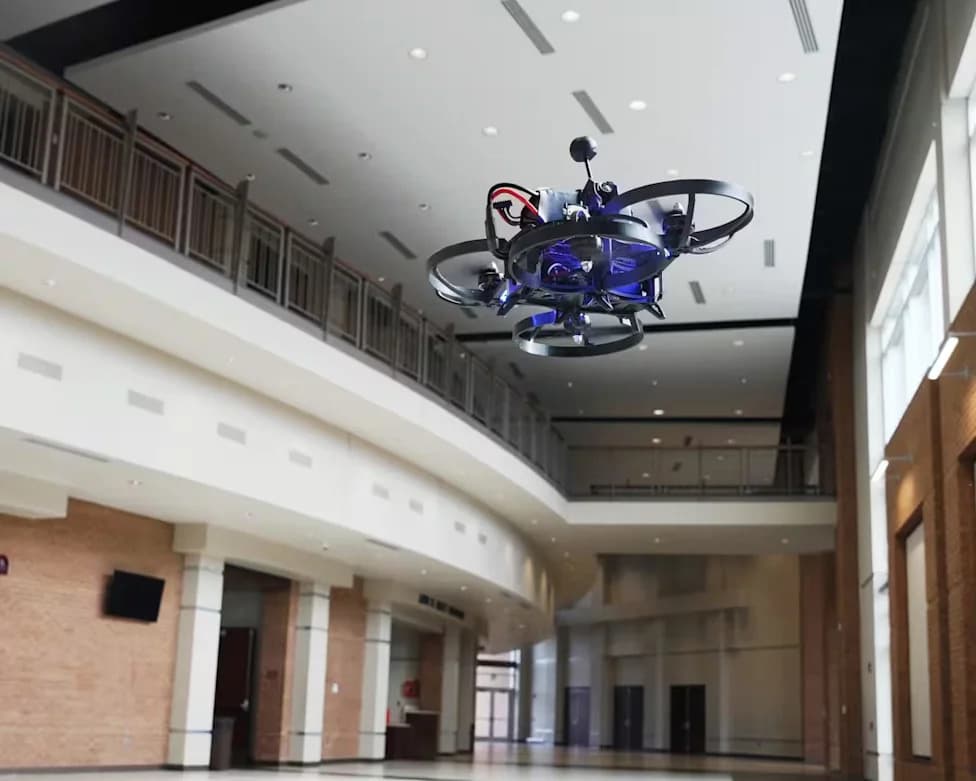
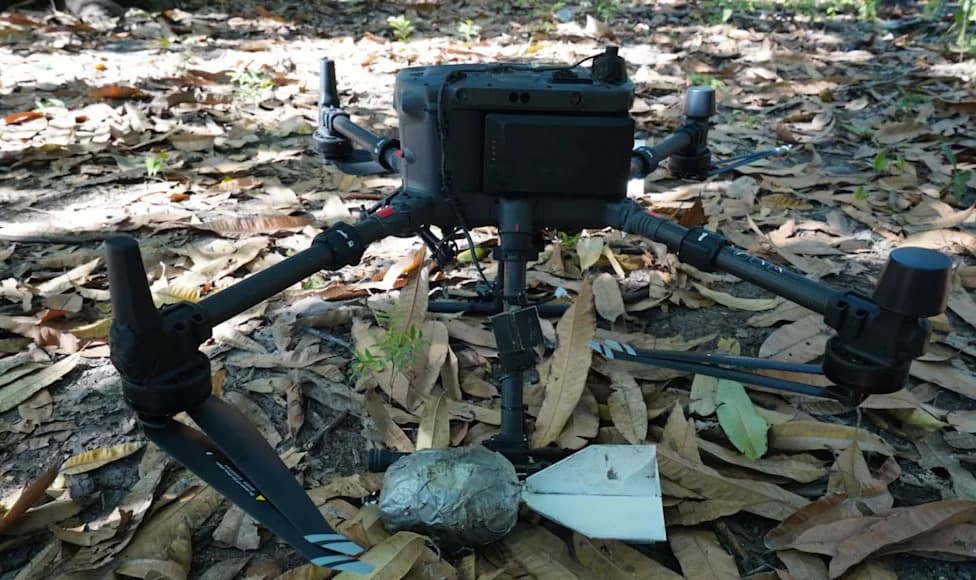
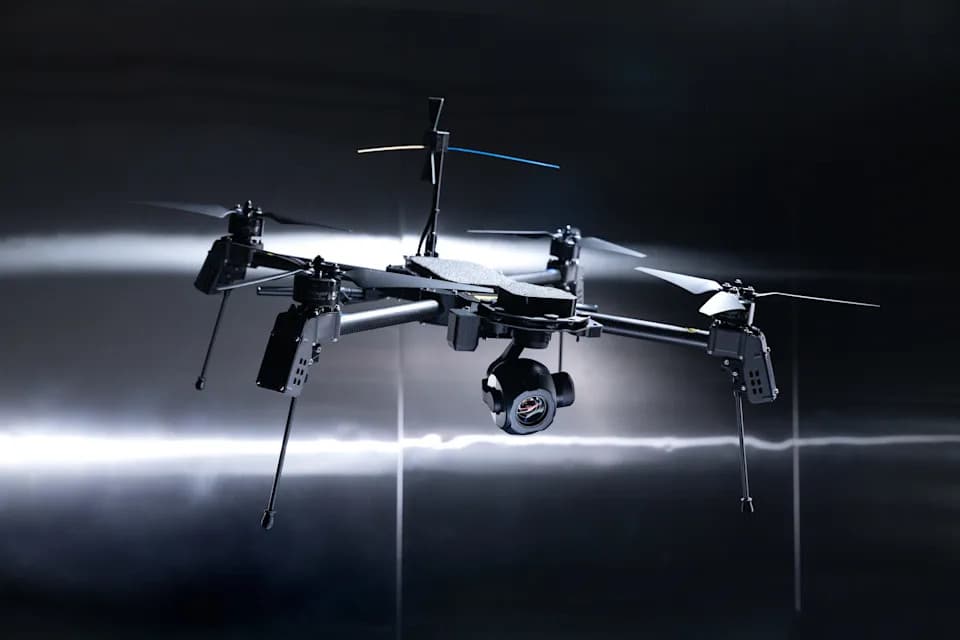
A promotional image of a pepper spraying drone from Campus Guardian Angel.Photograph: Campus Guardian Angel
Several U.S. schools are rolling out pepper-spraying drones supplied by Austin-based Campus Guardian Angel as a rapid-response measure for active-shooter incidents. The company says the technology, inspired by small-drone tactics observed in the war in Ukraine, is designed to hold or disorient an attacker until authorized responders arrive.
How The System Works
Campus Guardian Angel builds its own aircraft and firmware. According to the firm, drones are launched only after a verified alert and confirmation by the company's response team. They can be operated remotely from long distances and include two-way voice communication through an embedded speaker so the remote team can talk to people on the ground or give direction to first responders.
- Flight Time: About eight minutes per battery charge.
- Frequency: Operates on 900 MHz.
- Features: Glass-breaking lance for uncoated windows, sirens, air poppers (loud bangs), two-way speaker, pepper-ball launcher and options the company describes as kinetic-energy strikes intended to degrade or incapacitate a confirmed attacker.
- Tactics: Campus Guardian Angel says it would deploy "waves" of three to four drones to keep a shooter occupied until law enforcement arrives.
Pilot Locations And Funding
Pilot programs are underway in multiple states. In Georgia, at least four schools — Coffee County High School (Douglas), Gainesville High School, River Ridge High School (Woodstock) and Statesboro High School — are included in a rollout supported by $550,000 that the state legislature allocated for the program. In Florida, Deltona High School (Volusia County) is slated to receive 39 drones; Amos P. Godby High School (Leon County) and Boyd H. Anderson High School (Broward County) are also preparing deployments. John Adams Academy in Douglas County, Colorado, is planning to adopt the system as well.
“Once I get the drones on you, you just can't escape them,” said Bill King, co-founder of Campus Guardian Angel and a former senior enlisted leader with U.S. Navy SEAL teams. The company's tactical operations director, Khristof Oborski, a former Austin Police SWAT team leader, said the idea was influenced by small-drone uses observed during the war in Ukraine.
Support, Concerns And Context
Proponents argue the drones provide an additional tool to slow or distract attackers and give first responders real-time eyes and audio in dangerous situations. Critics — including victims' family members and safety experts — say the emphasis should remain on prevention, not new reactive technologies. Concerns include reliability in chaotic emergencies, the short flight time, potential legal and liability issues, the risk of misidentification or malfunction, and ethical questions about delivering kinetic force remotely in a school environment.
Tony Montalto, whose daughter Gina was killed in the 2018 Parkland shooting, told WPTV that drone deployments are a reactive measure and urged greater focus on prevention: 'These drones aren't patrolling — they just pop up when needed. So that's part of the problem. We need to focus on the prevention piece rather than the reaction piece.'
Data cited by The Washington Post indicates more than 398,000 students have experienced gun violence at school since the 1999 Columbine High School shooting, highlighting the scale of the issue these technologies aim to address.
The rollout has sparked debate among educators, parents and policymakers about where to balance investment between prevention, traditional security measures, and novel technological responses. As pilots continue, officials and communities will likely weigh field performance, legal implications and public sentiment before broader adoption.
Help us improve.