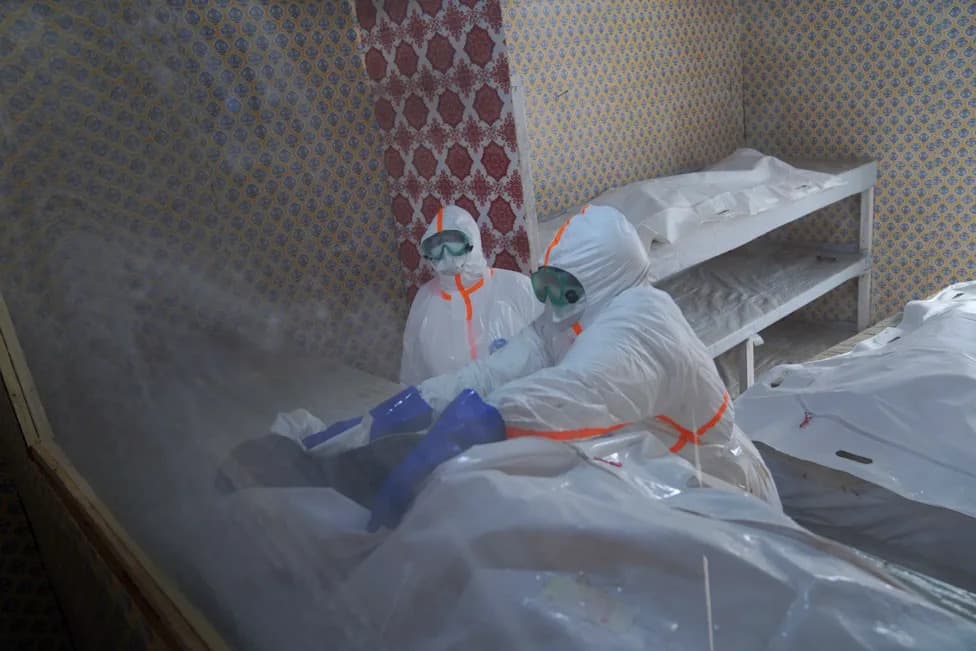
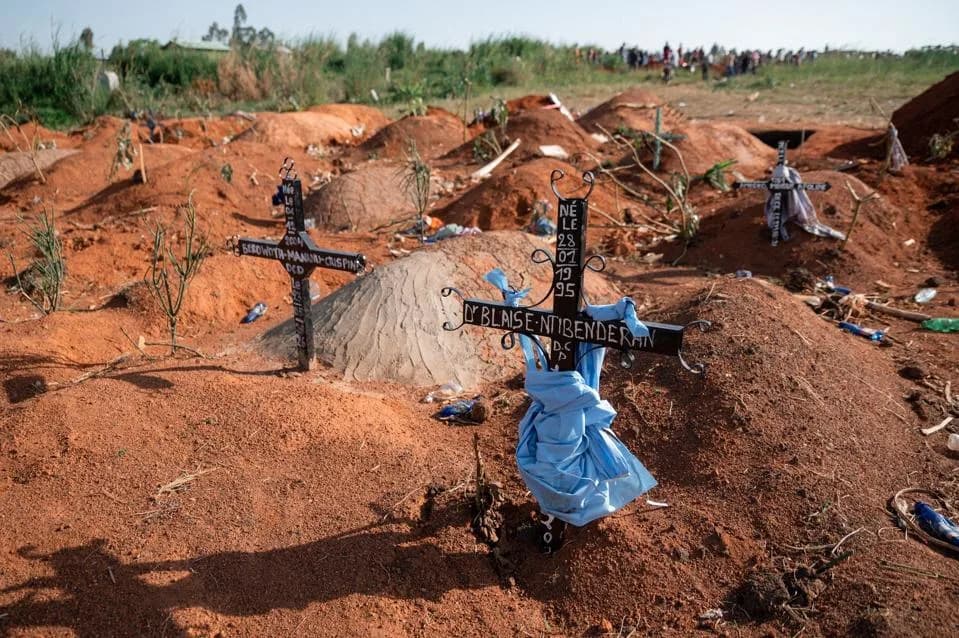
Madagascar has reported 3,022 mpox cases and 20 deaths after the virus spread from Mahajanga to major coastal commercial hubs, notably Toamasina and Taolagnaro. The outbreak is linked to Clade 1b (first noted in the DRC in 2024), and a high test positivity rate—about 65%—suggests many infections may be undetected. Experts blame human mobility and inadequate surveillance, and recommend prioritised vaccination for close contacts, frontline health workers and other high-risk groups. Limited vaccine availability and weak health infrastructure may hamper the response.
Mpox Outbreak in Madagascar Tops 3,000 Cases as High Test Positivity Suggests Wider Spread
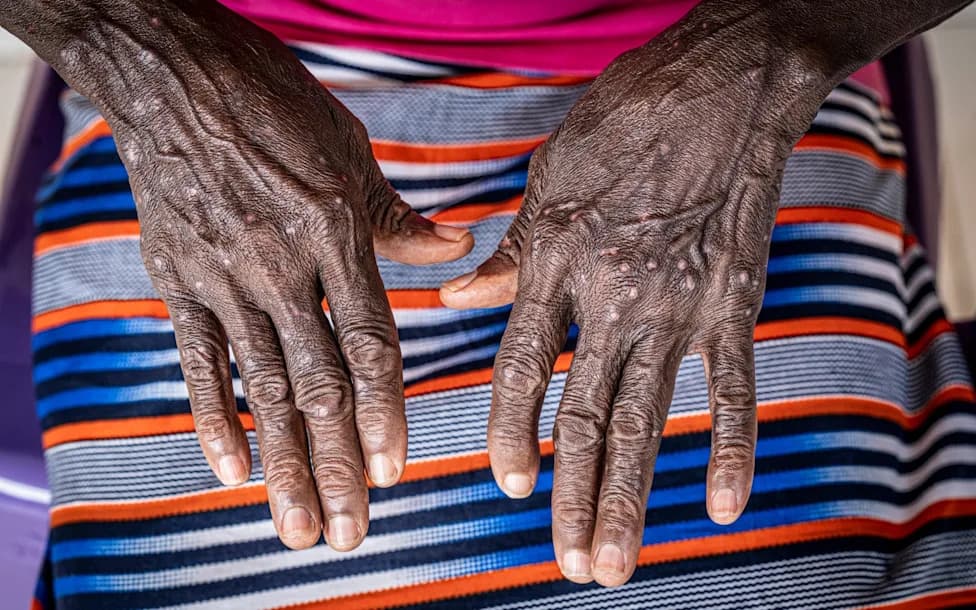
The virus causes a distinctive lumpy rash - Simon Townsley
Madagascar has recorded 3,022 confirmed mpox cases and 20 deaths after the virus spread from the port city of Mahajanga into major coastal hubs, particularly Toamasina and Taolagnaro. Health authorities and international partners are warning that the true number of infections may be substantially higher than official totals.
Outbreak Overview
Public health officials have linked the current outbreak to Clade 1b mpox, a strain first identified in the Democratic Republic of the Congo (DRC) in 2024. The World Health Organization previously declared a global public health emergency in response to the emergence of this strain.
How The Virus Spread
Scientists believe the virus reached Mahajanga via maritime trade routes earlier this year and then travelled along Madagascar’s commercial transport networks to ports and dense urban centres such as Toamasina and Taolagnaro. Human mobility—movement of passengers, port workers and commuters—has been cited as a major factor seeding new outbreaks in areas with little prior circulation.
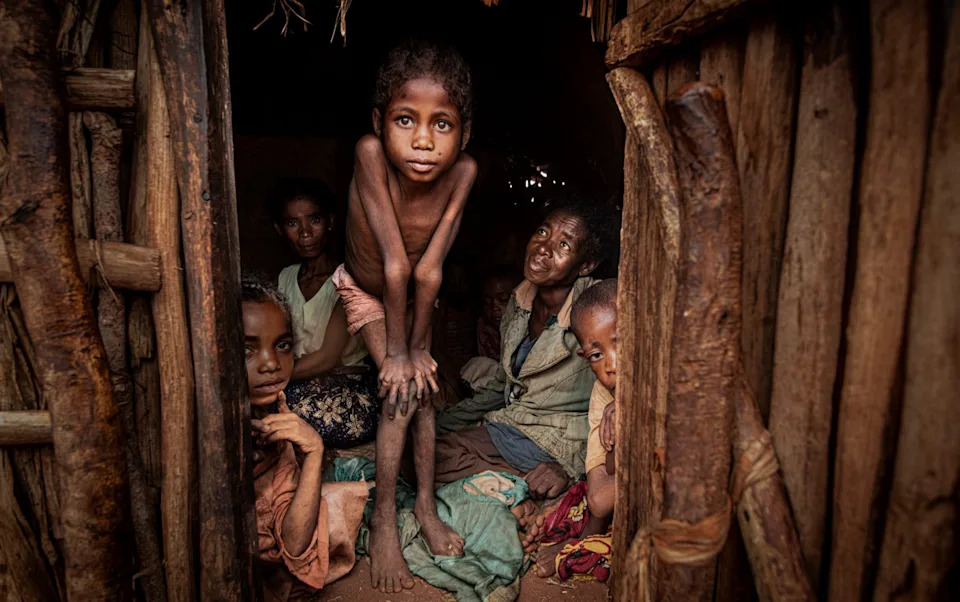
Madagascar is the world's fifth poorest country - Simon Townsley
Testing, Surveillance And Under-Reporting
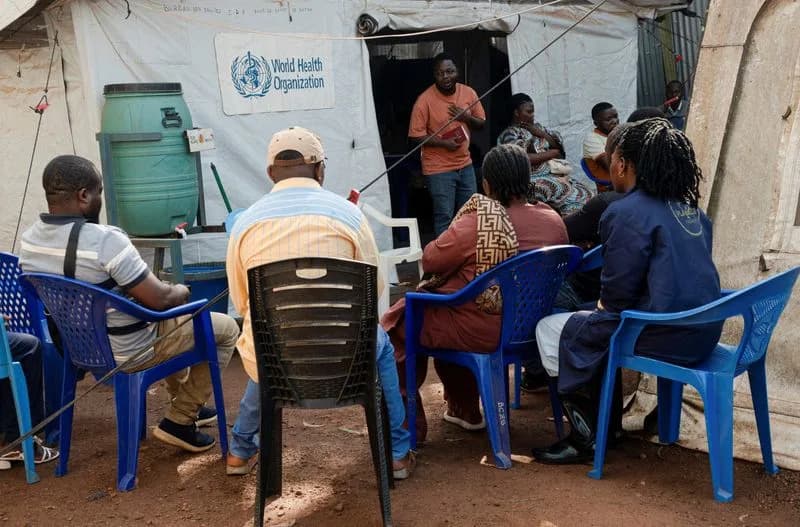
World Health Organization data show about 65% of mpox tests in Madagascar returned positive results, a high positivity rate that specialists say indicates surveillance and testing remain inadequate. Under-reporting may be driven by limited diagnostic capacity, competing public health priorities, misdiagnosis and social stigma around the disease.
"The main factor driving the continued spread of the disease is human mobility, seeding new outbreaks in areas where the virus has not circulated before,"
"The high rate of cases testing positive for mpox indicates surveillance is inadequate. Limited resources, competing public health priorities, misdiagnosis, and the cultural stigma surrounding mpox can contribute to under-reporting,"
Who Is Most At Risk
Children, pregnant people and those who are immunocompromised—including people living with HIV—face higher risk of severe illness. Public-health experts also identify frontline healthcare workers, close contacts of confirmed cases, and people working in densely populated commercial zones (for example, port and mining areas, and sex workers and their networks) as priorities for protection and prevention efforts.
Response And Recommendations
Madagascar's Ministry of Health is working with the WHO to expand testing capacity, strengthen contact tracing and target vaccination where available. Experts recommend prioritising vaccines for close contacts of confirmed cases, frontline health workers and other groups at highest exposure risk. However, limited vaccine supplies and a fragile healthcare infrastructure in one of the world’s poorest countries may constrain how widely immunisation campaigns can be rolled out.
What to watch next: improvements in testing and contact tracing, clarity on whether the Madagascar strain differs in clinical severity from earlier Clade 1b viruses, and the availability and deployment of vaccines to high-risk groups.
Help us improve.