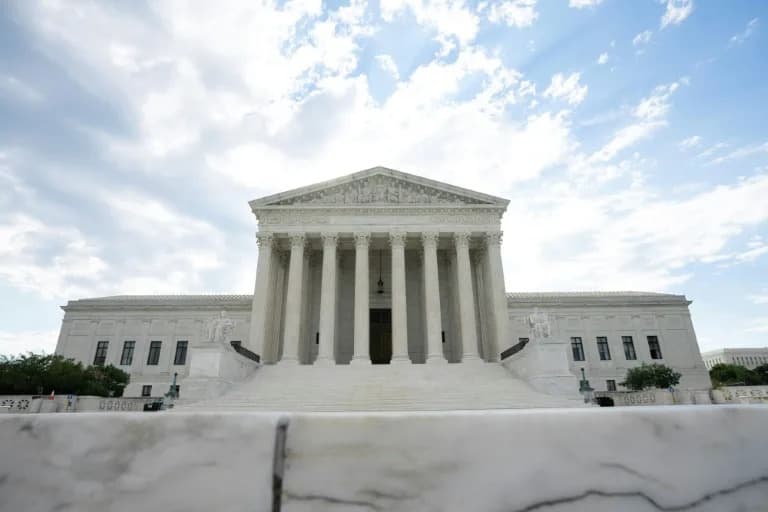
Overview: This term produced concurring opinions that could reshape major areas of constitutional law. Kagan warned that limiting strict scrutiny to viewpoint restrictions would weaken First Amendment protections. Gorsuch attacked the Katz privacy test and urged a property-based Fourth Amendment approach. Thomas challenged the scope of the Commerce Clause, agency delegation, and agency preemption. Kavanaugh endorsed applying constitutional principles with attention to modern circumstances.
Notable Supreme Court Concurring Opinions This Term — Doctrinal Shifts on the Horizon
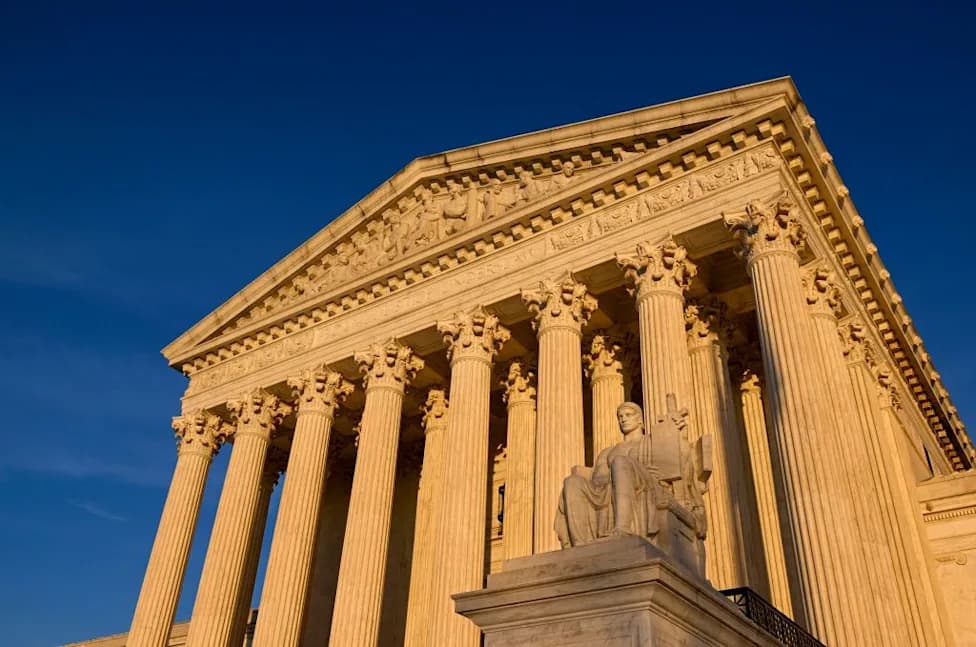
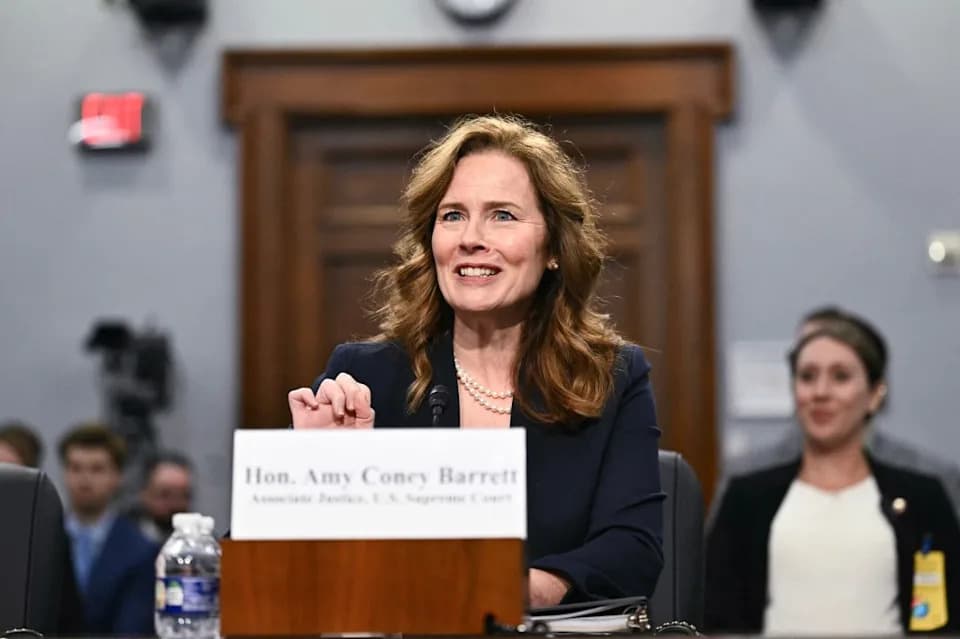
(Jonathan Newton/The Washington Post via Getty Images)
Several concurring opinions this term offered sharply different visions of constitutional doctrine—some reiterating cautionary notes about existing tests, others urging far-reaching doctrinal shifts that would upend decades of precedent if adopted. Below we summarize the most consequential concurrences and explain their practical implications.
Justice Elena Kagan — Chiles v. Salazar
The Court applied strict scrutiny to Colorado’s ban on so-called conversion therapy for LGBTQ youth, concluding the statute was a content-based speech restriction because it banned speech aimed at changing a minor’s sexual orientation or gender identity while allowing affirming speech. Justice Elena Kagan, joined by Justice Sonia Sotomayor, filed a concurrence warning that a different problem would arise if the law had been content-based but viewpoint-neutral. She emphasized that current doctrine treats both subject-matter restrictions and viewpoint-based restrictions as content-based and therefore subject to strict scrutiny.
Why it matters: Kagan cautioned that narrowing strict scrutiny to only viewpoint-based rules would meaningfully weaken First Amendment protections for speech defined by subject matter.
Justice Neil Gorsuch — Chatrie v. United States
The Court held police use of a geofence—collecting data about all cellphones in a designated area at a particular time—constitutes a Fourth Amendment search because it intrudes on a person’s reasonable expectation of privacy in location information. Justice Neil Gorsuch concurred in the judgment but criticized the Court’s long-standing Katz "reasonable expectation of privacy" test and proposed reviving a property-based approach rooted in the Fourth Amendment’s protection of a person’s "effects."
Why it matters: If Gorsuch’s property/effects framework replaced Katz, it would displace roughly six decades of precedents and could narrow protection for modern forms of surveillance (e.g., drone or pole-mounted camera observation) that invade privacy though they may not physically seize property.
Justice Clarence Thomas — Monsanto Co. v. Durnell
In a case about whether the Federal Insecticide, Fungicide, and Rodenticide Act (FIFRA) preempts state tort claims involving alleged harm from Roundup, the Court held the statute preempted such suits. Justice Clarence Thomas’s concurrence advanced three sweeping critiques: (1) he questioned whether Congress has authority under the Commerce Clause to regulate statutes like FIFRA in the manner currently accepted; (2) he renewed nondelegation concerns about Congress assigning core legislative power to agencies; and (3) he questioned the extent to which federal agency action can preempt state law.
Why it matters: Adopting Thomas’s views would destabilize large portions of modern federal regulatory law and administrative practice, from environmental regulation to the reach of federal statutes and agency rulemaking.
Justice Brett Kavanaugh — Trump v. Barbara
Chief Justice Roberts’s majority struck down President Trump’s executive order limiting birthright citizenship as unconstitutional. Justice Brett Kavanaugh would have reached a different constitutional conclusion—he viewed the order as potentially constitutional on the merits—but would have invalidated it on statutory grounds. Notably, Kavanaugh wrote that while the Constitution’s original principles do not change, their application must account for modern circumstances that framers could not have anticipated.
Why it matters: Kavanaugh’s pragmatic phrasing—invoking modern circumstances to shape constitutional application—presents an interpretive approach that can be hard to reconcile with a strict originalist posture and could be invoked across issues from firearms to reproductive rights.
Bottom Line
These concurrences reveal competing visions on free speech, privacy, federal regulatory power, and constitutional methodology. Some justices urge modest doctrinal clarifications; others invite wholesale rethinking of settled precedent. Whether any of these visions will become law depends on future cases and the Court’s willingness to adopt more radical approaches.
Help us improve.