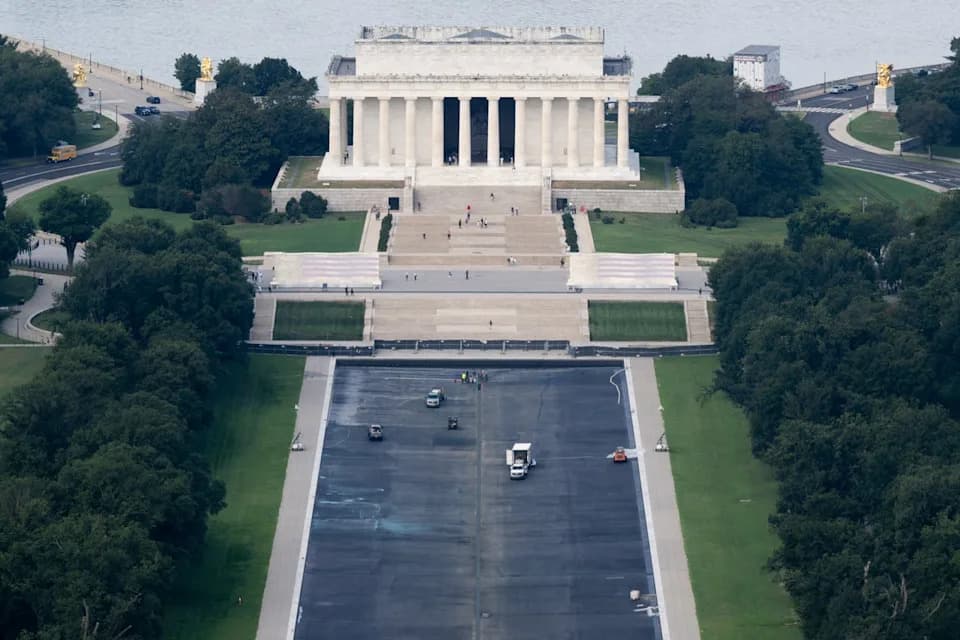
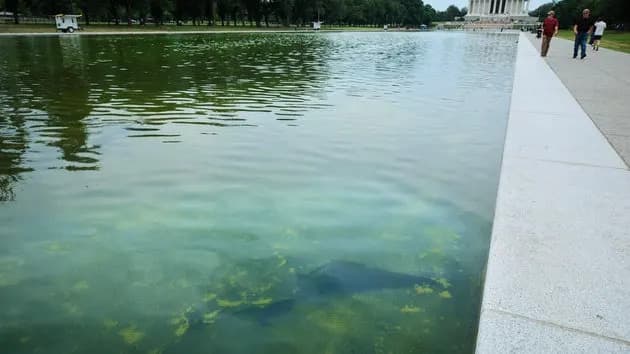
The DOJ's grand jury witness reportedly said the Lincoln Memorial Reflecting Pool was damaged before David Hearn arrived, and NBC News reported that this witness was the only testimony about the pool's condition. Hearn, who has pleaded not guilty, says he only touched detached coating and disputes causing the roughly $1,000 in damage alleged by prosecutors. Defense attorneys argue the witness could not quantify any loss attributable to Hearn and that repairs were needed regardless of his conduct. The defense says those gaps could undermine the felony indictment.
Grand Jury Witness Says Reflecting Pool Had Preexisting Damage, Weakening DOJ’s Case Against Ex-Olympian
DOJ’s Own Witness Wrecks Reflecting Pool “Vandalism” Case
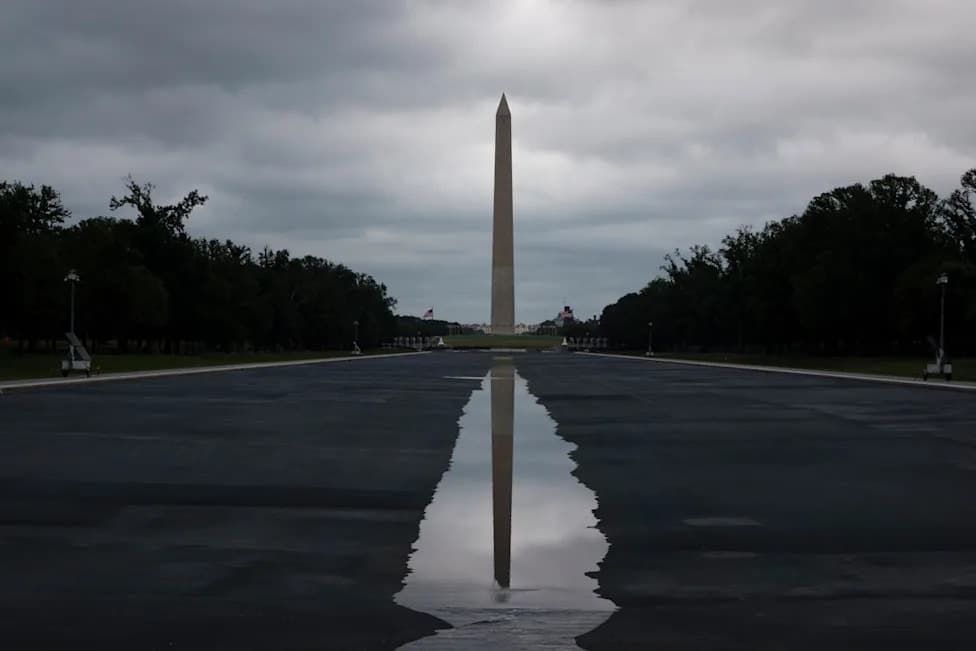
The Department of Justice's own grand jury witness told prosecutors the Lincoln Memorial Reflecting Pool showed damage before David Hearn arrived, a development that could undercut the government's vandalism case.
According to court filings and reporting by NBC News, the witness was the sole grand jury testimony addressing the pool's condition. The witness reportedly said the lining was already deteriorated and that identified repairs would have been needed irrespective of Mr. Hearn's actions.
Hearn, a former Olympic canoeist who has pleaded not guilty, said, "The condition of the Reflecting Pool was the same after I stepped away from the water as it was before I got there," and has acknowledged only touching a detached section of the pool's coating.
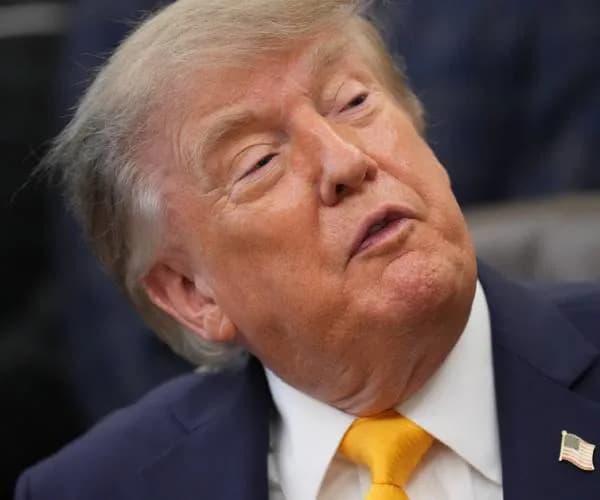
President Trump has publicly asserted that vandals used a knife or blade to create a "gash" in the pool lining; however, no public evidence has been produced to substantiate that claim.
Federal prosecutors charged Hearn with felony destruction of property, alleging roughly $1,000 in damage — the statutory threshold that distinguishes a misdemeanor from a felony in this context. Hearn's attorneys have challenged the basis for that dollar estimate and say the grand jury evidence does not link any quantifiable loss to their client.
"The government's only witness on that element testified that the property was already deteriorated, that the identified repairs would have been needed even without Mr. Hearn's alleged conduct, and that he could not quantify any loss caused by that conduct," Hearn's lawyers wrote in court filings.
Defense attorneys say the testimony raises questions about whether the grand jury was properly instructed that the charge required proof of more than $1,000 in damages. Prosecutors have not publicly explained how they calculated the repair estimate.
At least three other individuals have faced misdemeanor charges tied to separate incidents at the Reflecting Pool.
With the lead grand jury witness acknowledging preexisting deterioration and an inability to attribute a specific dollar loss to Hearn, the indictment faces evidentiary hurdles that the defense says could prompt judicial review or dismissal of the felony count.
Sources: Court filings and reporting by NBC News.
Help us improve.