The IEEFA report finds that accelerating wind, solar and heat-pump deployment could cut EU gas demand by roughly 25% by 2030, noting these technologies displaced about 8.8 bcm of LNG in 2024. Achieving targets of 4 million heat pumps plus 75GW of solar and 22GW of wind annually would sharply reduce LNG reliance, but the transition faces hurdles — permitting, grid investment and the risk of shifting dependence to Chinese clean-tech supply chains.
Renewables and Heat Pumps Could Cut EU LNG Needs by ~25% by 2030, IEEFA Finds
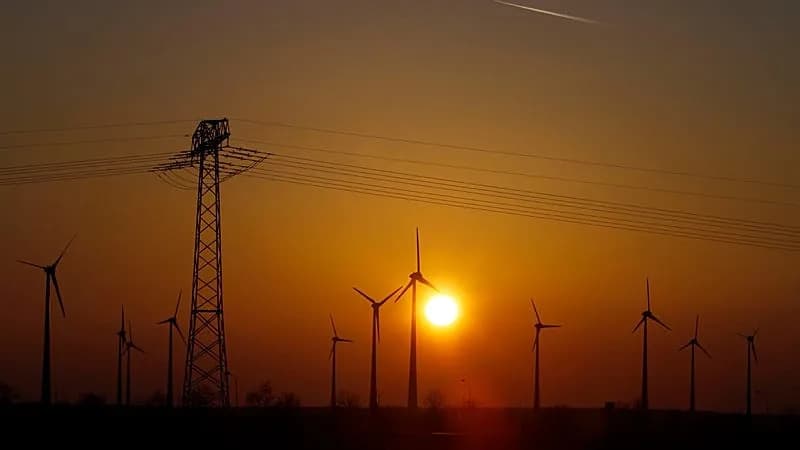
Wind, solar and heat pumps offer EU escape from LNG dependence by 2030, study says
A new report from the Institute for Energy Economics and Financial Analysis (IEEFA) argues that the European Union can strengthen energy sovereignty not by locking in more gas imports, but by rapidly scaling wind, solar and heat-pump deployment.
Key Findings
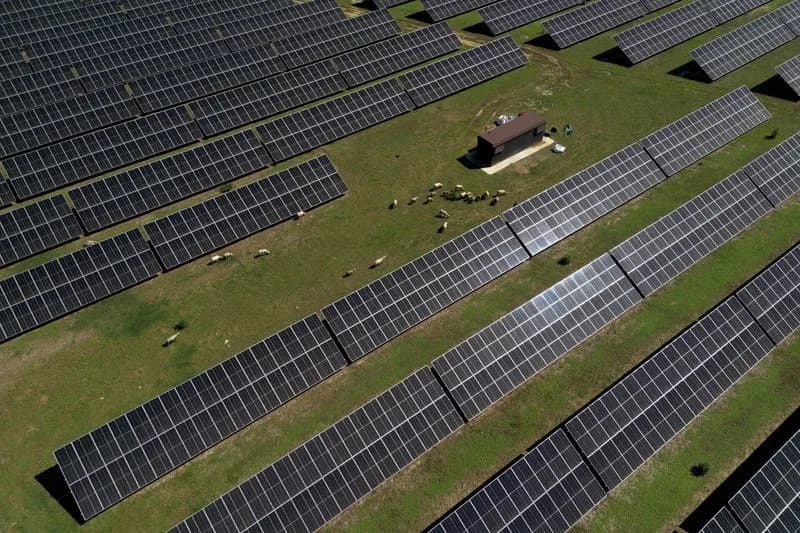
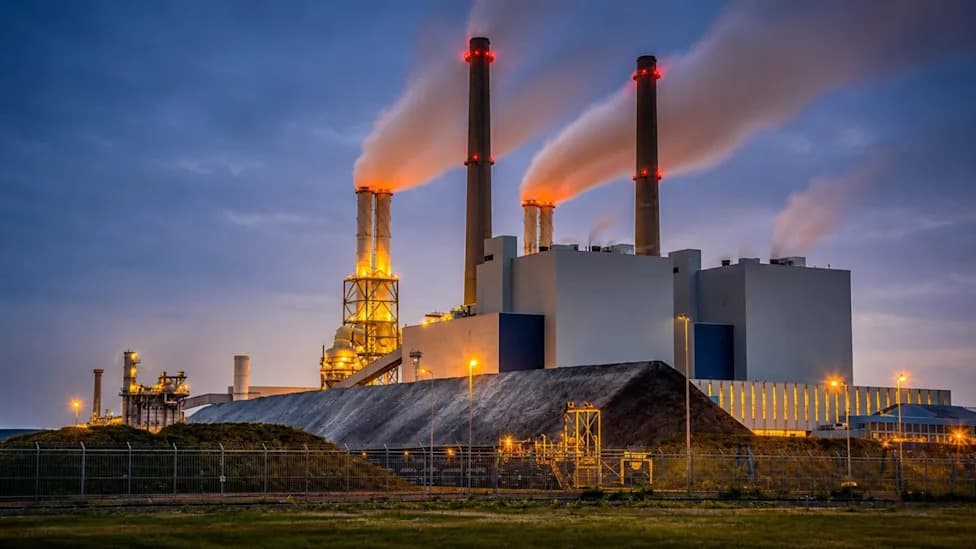
The IEEFA study estimates that in 2024 wind, solar and heat pumps together displaced about 8.8 billion cubic metres of liquefied natural gas (LNG) — roughly equivalent to two-thirds of the EU's imports from Qatar that year. If the EU meets its current deployment targets over the next five years, gas demand could fall by about 25 percent by 2030, the report says.
“IEEFA estimates that achieving the EU's targets of installing at least 4 million heat pumps, 75GW of solar and 22GW of wind annually over the next five years could cut gas demand by around a quarter by the end of 2030.”
Why This Matters
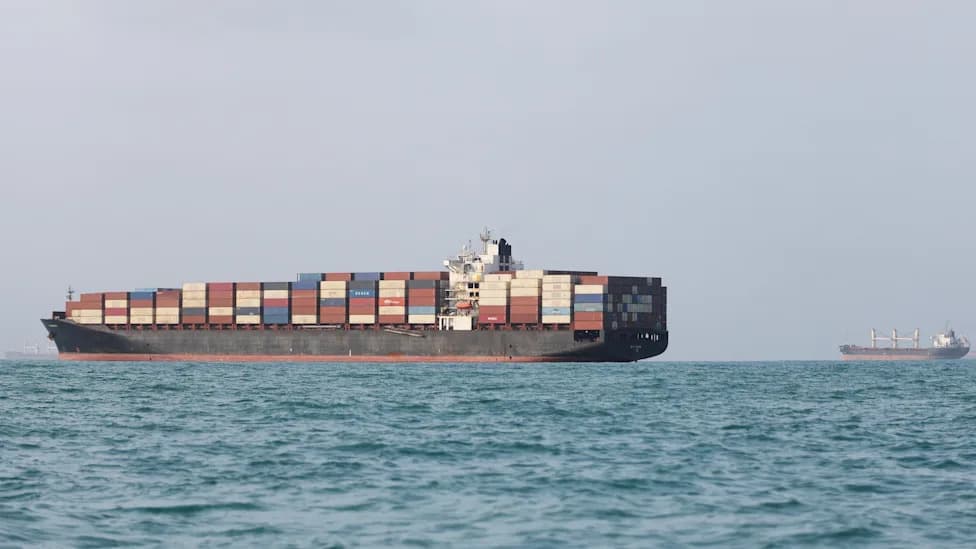
After Russia's invasion of Ukraine, the EU sharply reduced pipeline gas purchases from Moscow but replaced much of that supply with LNG — mainly from the United States and Qatar. EU LNG imports rose by 84 percent between 2021 and 2025, leaving the bloc exposed to geopolitical and operational risks such as recent damage to Qatari export facilities and ongoing tensions in the Strait of Hormuz.
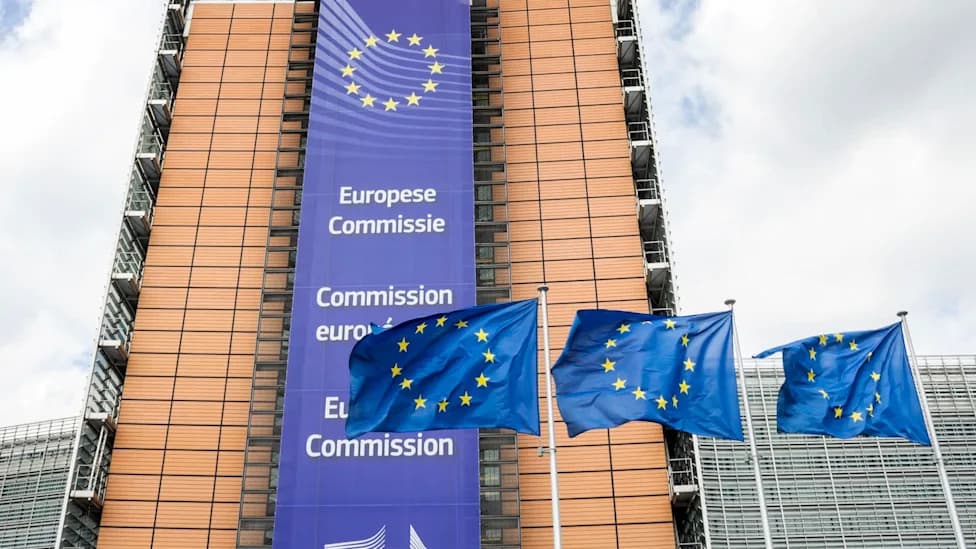
IEEFA recommends the EU aim to eliminate the need for imported gas by doubling down on renewables and electrification measures. The think tank backs the European Commission's electrification ambitions and highlights renewable power and heat pumps as strategic security assets, particularly as the EU prepares to ban Russian gas imports from 2027.
Barriers and Risks
The analysis rests on optimistic assumptions: that member states will meet ambitious roll-out targets for heat pumps and renewable capacity and that investment in electricity grids will be ramped up. The report acknowledges real obstacles including permitting delays, the high upfront cost of heat pumps, grid congestion and political resistance to infrastructure spending.
Another strategic risk is growing dependence on Chinese manufacturing. Years of industrial policy have positioned Chinese firms as dominant producers of solar panels, batteries, wind-turbine components and heat pumps. IEEFA cites research describing China as an emerging "electrostate" — a country whose influence stems from control over electrification technologies and supply chains rather than fossil-fuel reserves.
Policy Implications
The report urges EU policymakers to accelerate deployment of renewables and heat pumps while simultaneously diversifying supply chains and investing in grid upgrades and domestic manufacturing capacity. Doing so could both reduce exposure to volatile gas markets and limit the risk of substituting fossil-fuel dependence with overreliance on a single supplier for clean-energy technology.
Ultimately, IEEFA frames the transition as a security as well as a climate priority: expanding renewables and electrification can lower LNG demand and smooth the path toward the EU's 2030 and 2050 climate goals — but only if member states overcome financing, permitting and industrial-policy challenges.
Help us improve.