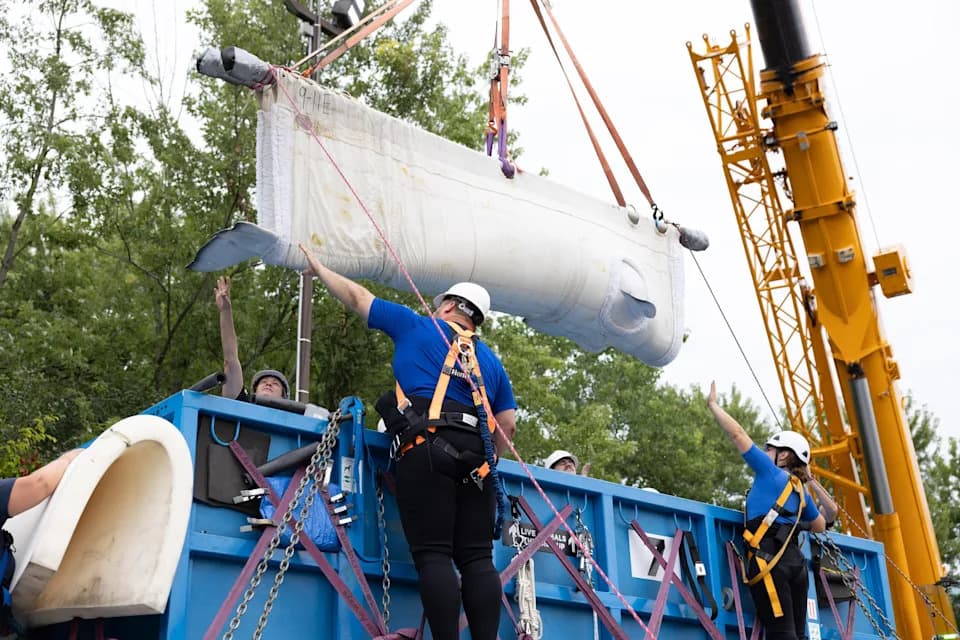
On July 23, 2026, Nueva Pescanova withdrew plans for a €50 million octopus farm on Gran Canaria after a five-year international campaign by conservation and animal-welfare groups. The proposed facility would have occupied about 50,000 m² and aimed to produce 3,000 tonnes of octopus annually—requiring roughly 28,000 tonnes of wild fish a year. Critics cited octopus intelligence, solitary behavior, lack of humane slaughter methods and environmental concerns. Campaigners, led by Compassion in World Farming, say the withdrawal is a major win and will push for bans on commercial octopus farming.
One Million Octopuses Spared After Five-Year Campaign as Nueva Pescanova Drops Farm Plan
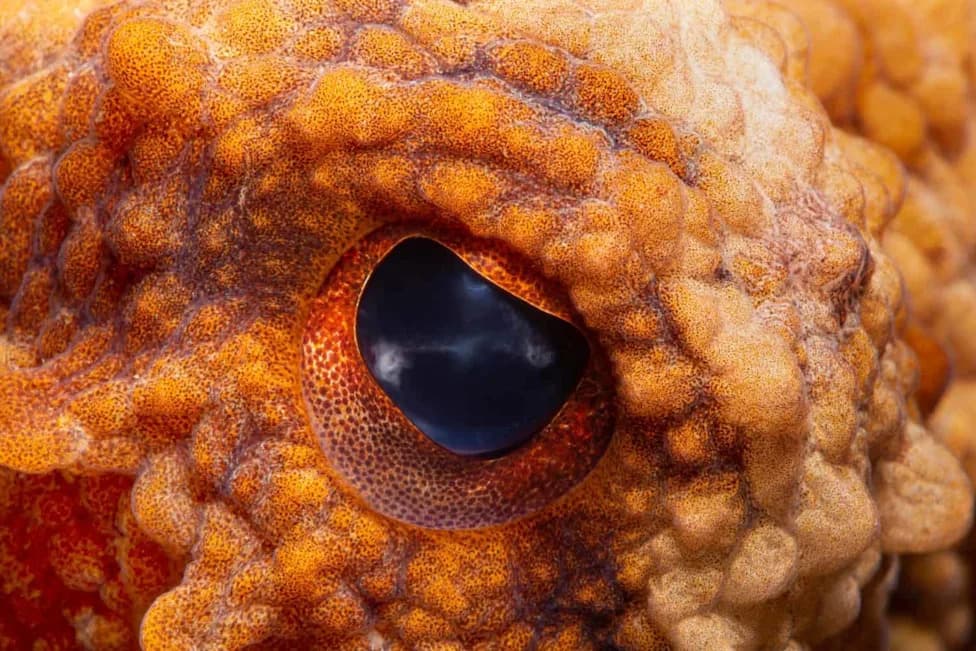
Close-up octopus eye.Octopus vulgaris Cuvier, 1797. Octopus eye. Canakkale Türkiye.© Osman Temizel/Shutterstock.com
On July 23, 2026, Spanish seafood company Nueva Pescanova withdrew its permit application for a large-scale octopus production complex on the island of Gran Canaria, ending a five-year international campaign led by animal-welfare and conservation groups.
Project Overview
Nueva Pescanova had proposed a €50 million facility occupying about 50,000 square metres of dock space—roughly seven football fields—on a Gran Canaria port. The plan called for an oversized aquarium and production systems intended to yield about 3,000 tonnes of octopus meat per year, equivalent to more than 10% of Spain’s current annual octopus catch.
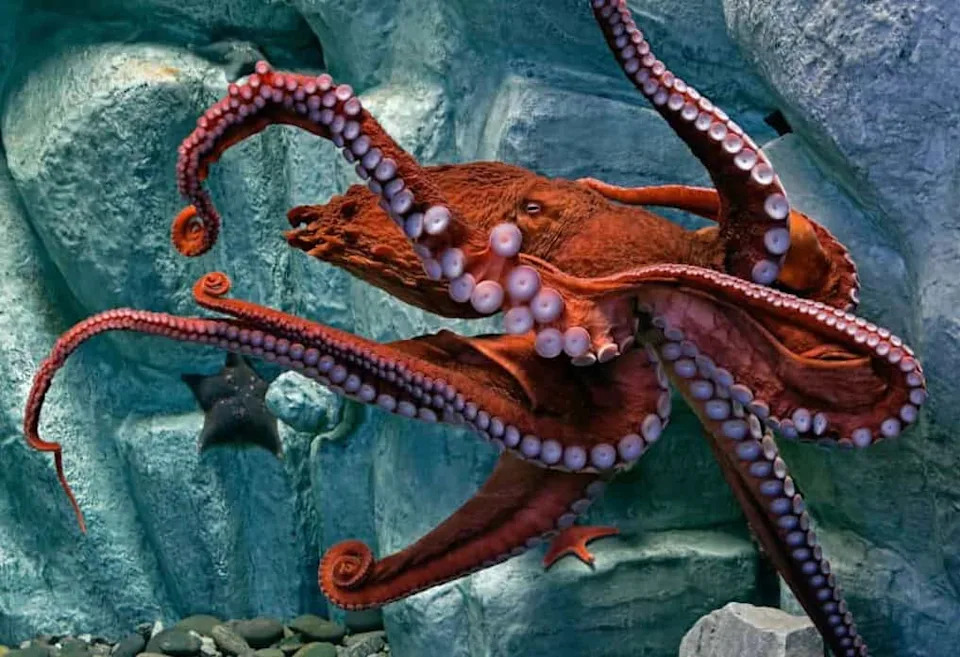
Octopuses, like this giant Pacific species, are some of the smartest creatures in the world.©Tennessee Aquarium
Why Campaigners Objected
Critics raised multiple concerns about animal welfare, environmental impacts and local community effects:
- Welfare: Octopuses are highly intelligent, solitary animals capable of problem solving, using tools and recognizing humans. Confining millions in crowded, industrial conditions risks stress, aggression and even cannibalism, problems already observed in some octopus farming experiments.
- Humane Slaughter: There is no widely accepted, tested method to humanely slaughter cephalopods at the commercial scale proposed—an ethical and legal concern amplified after scientific reviews prompted the UK in 2022 to extend animal-welfare protections to octopuses and other cephalopods.
- Environmental Cost: Octopuses are carnivorous. To produce roughly 3,000 tonnes of farmed octopus, the operation would likely require about 28,000 tonnes of wild-caught fish annually—an approximate 9:1 feed-to-product conversion by weight—adding pressure to already stressed fisheries.
- Local Impacts: Residents near the planned site, close to a passenger ferry terminal, feared water-quality issues, odors and other port-area disruptions.
Campaign and Outcome
The campaign was spearheaded by Compassion in World Farming (CIWF), which coordinated an international coalition of conservation organizations, scientists and animal advocates. CIWF said more than 42,000 people contacted the Las Palmas Port Authority to oppose the proposal, and a public protest had been scheduled for July 25, 2026. Two days before that demonstration, Nueva Pescanova withdrew its permit request.
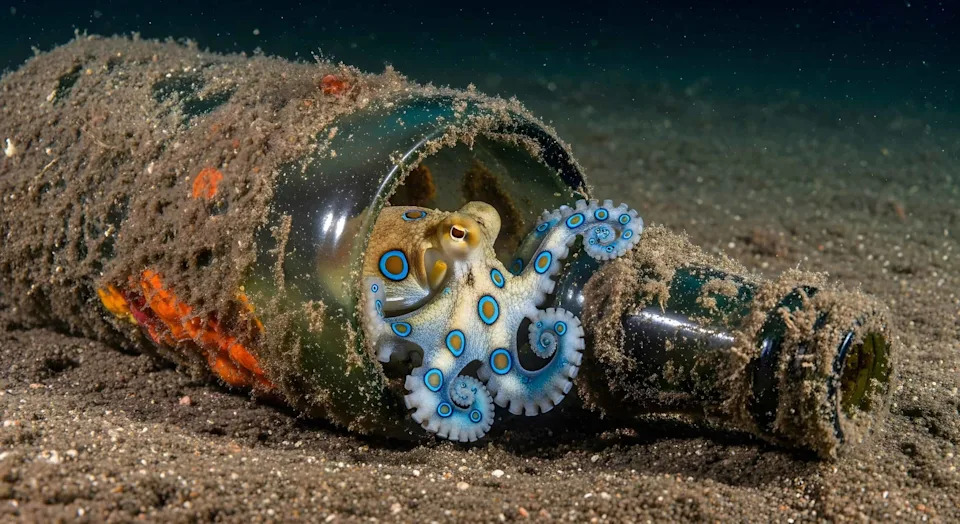
Octopuses, like this blue-ring variety, are solitary creatures and prefer to live alone.©jafarsodik/Shutterstock.com
“After years of pressure, this is a huge victory for octopuses, our oceans and everyone who joined us in campaigning to stop the world's first octopus farm,” said Dr. Elena Lara, Senior Research and Policy Advisor at CIWF.
CIWF has announced it will keep pushing for legal bans on commercial octopus farming worldwide. Several U.S. states, including California and Washington, already prohibit commercial octopus farming. Nueva Pescanova, however, said it may consider alternative designs or other locations in the future; campaigners say they will continue to monitor any new proposals.
What This Means
The withdrawal is being framed by conservationists as a precedent-setting win for sentient invertebrate welfare and a signal that large-scale farming of cognitively complex marine animals faces strong public and scientific scrutiny. The case highlights the ethical, ecological and practical challenges of industrializing species with complex needs.
Help us improve.