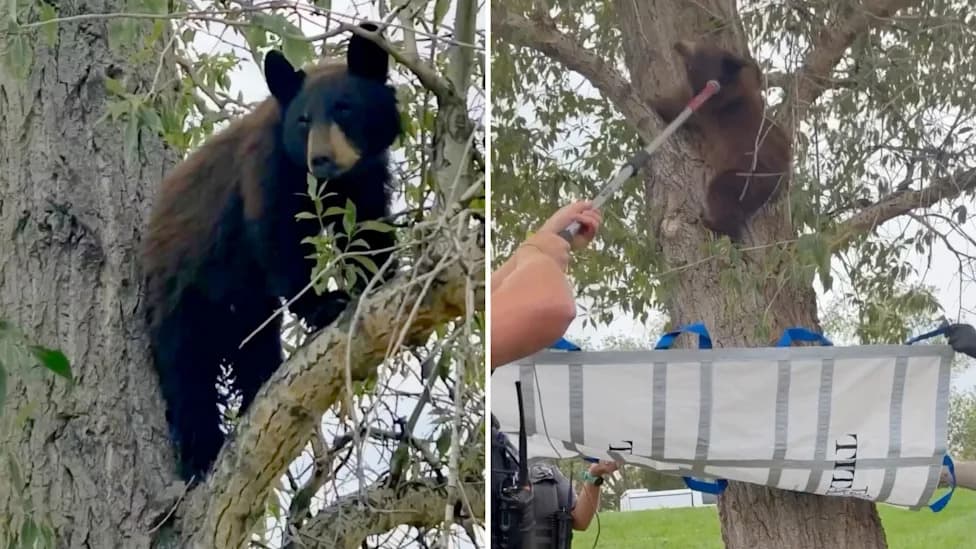
Glacier National Park will not remove the grizzly linked to the May 3 death of 33-year-old Anthony Pollio after a review found the bear likely acted defensively when surprised on the Mount Brown Lookout Trail. DNA tied the incident to a male grizzly estimated to be at least 15 years old with no prior conflict history. Investigators found no evidence of predation or food caching. The park will continue monitoring the bear and issued safety guidance urging noise, group travel, and accessible bear spray.
Glacier National Park Will Not Remove Grizzly Linked to Fatal Hiker Encounter
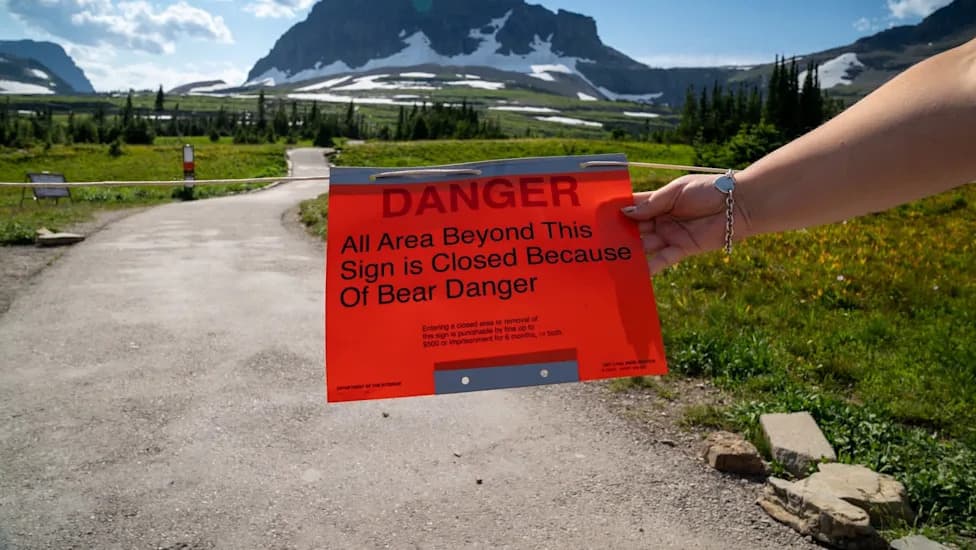
Photo Credit: iStock
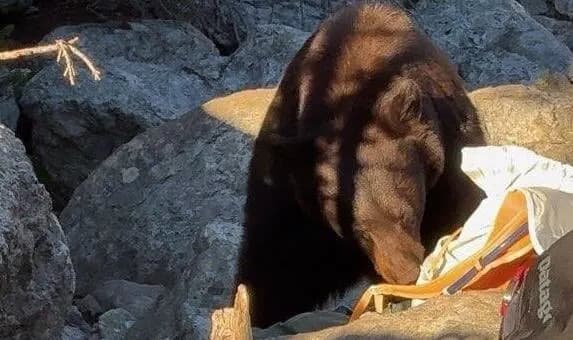
Glacier National Park officials announced they will not remove or euthanize the grizzly bear involved in a fatal spring encounter, concluding after a formal review that the animal likely behaved defensively when surprised by a hiker.
Florida resident Anthony Pollio, 33, died on May 3 after an encounter with a grizzly on the Mount Brown Lookout Trail. The Interagency Grizzly Bear Committee's review found Pollio was likely hiking downhill alone at about 9:30 p.m. through a steep, obstructed section of trail with limited visibility.
Investigators reported Pollio intended to watch the sunset from the lookout and that he discharged an entire can of bear spray, though it remains unclear whether any spray reached the bear before the attack. Forensic evidence, including DNA collected at the scene, was matched to a male grizzly believed to be at least 15 years old — a long-term park resident with no prior records of aggression, conflict, or capture.
"Following a comprehensive review of the incident, no management action has been taken or is planned for the bear involved," said park spokesperson Autumn Sifuentes.
Reviewers found no signs of predation or food caching at the scene, which supports the conclusion that the bear reacted defensively after being surprised rather than stalking or hunting the hiker. The report described the attack as likely "brief and intense and not prolonged." Park managers said they will continue to monitor activity in the area under their standard wildlife management program.
Safety Guidance and Context
Officials and experts emphasized how human choices can increase the risk of encounters. The review cited research on human-wildlife conflict showing that surprise is a common trigger for defensive attacks. To reduce risk, the park recommended several precautions:
- Make noise (talking, clapping, or singing) when moving through terrain or vegetation that limits sight and sound.
- Hike in groups, which are louder and less likely to startle wildlife.
- Avoid hiking at night, dawn, or dusk when bears are often more active.
- Carry bear spray in an easily accessible location and know how to use it.
- Move deliberately through dense or obstructed habitat rather than slipping through quietly.
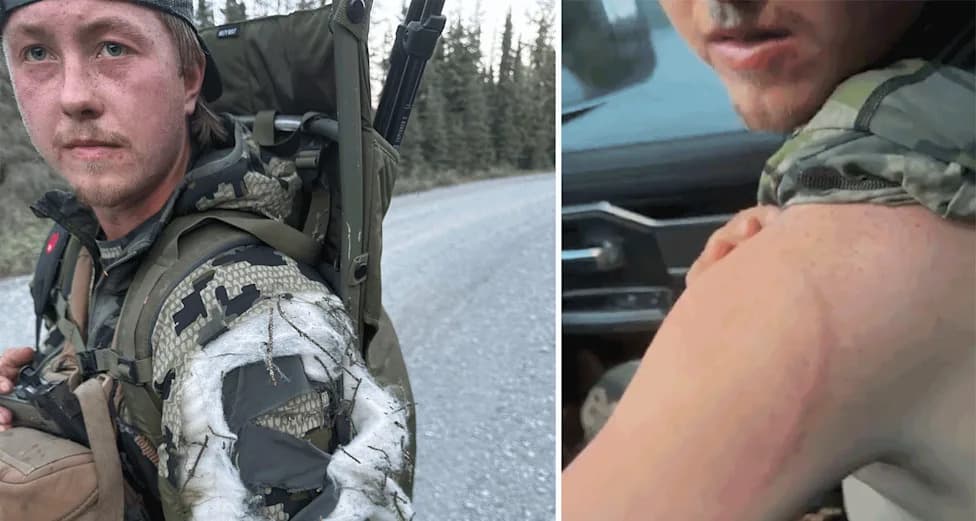
Glacier has experienced several close encounters recently. Weeks after the May 3 attack, a separate incident on the Grinnell Glacier Trail involved a grizzly charging from a snowfield and injuring a hiker, who suffered a broken arm.
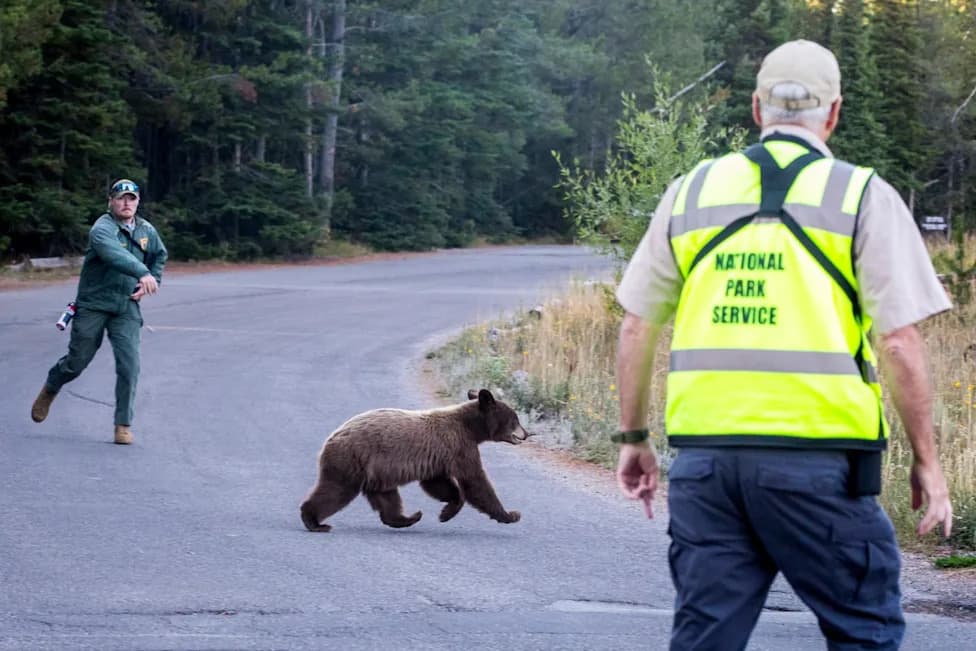
The park reiterated that not every fatal wildlife interaction results in removal of the animal involved, especially when evidence indicates defensive behavior rather than predation or habituation to human food. Park staff will keep monitoring the bear and the area as part of ongoing wildlife management efforts.
Help us improve.