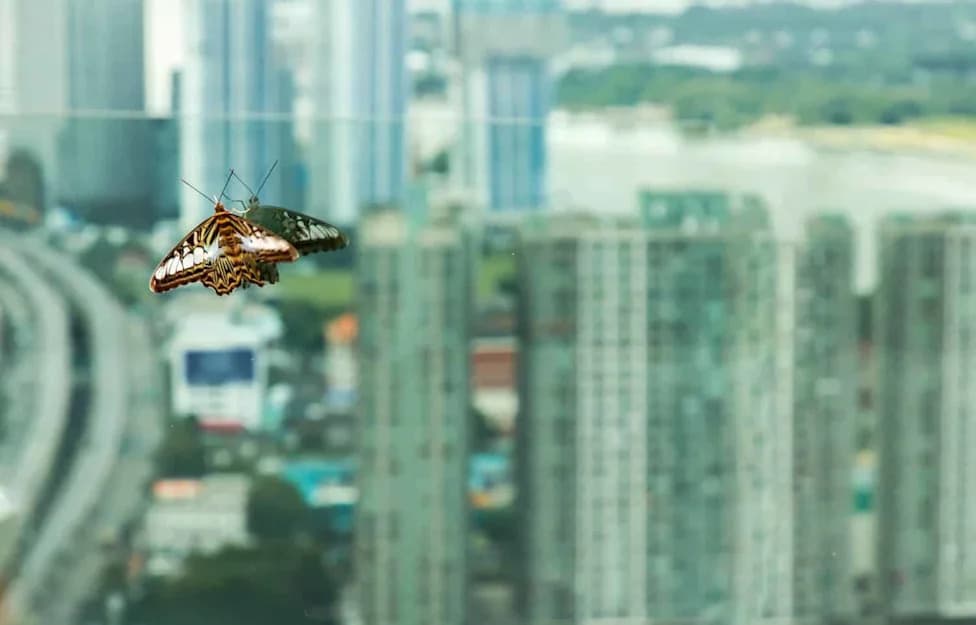
Britain is expecting a major influx of painted‑lady butterflies this summer — potentially the largest in 17 years — as Big Butterfly Count volunteers report dense groups along coasts and reserves. Vanessa cardui undertakes a roughly 9,000‑mile annual migration and can produce multiple generations en route, which has helped fuel this surge. Experts attribute the influx to favourable spring weather in southern Europe, recent heatwaves and southerly winds, but warn that long‑term declines from climate change, habitat loss and pesticides mean conservation action is still urgent.
‘Painted‑Lady Summer’: Britain Braces For Biggest Butterfly Influx In 17 Years
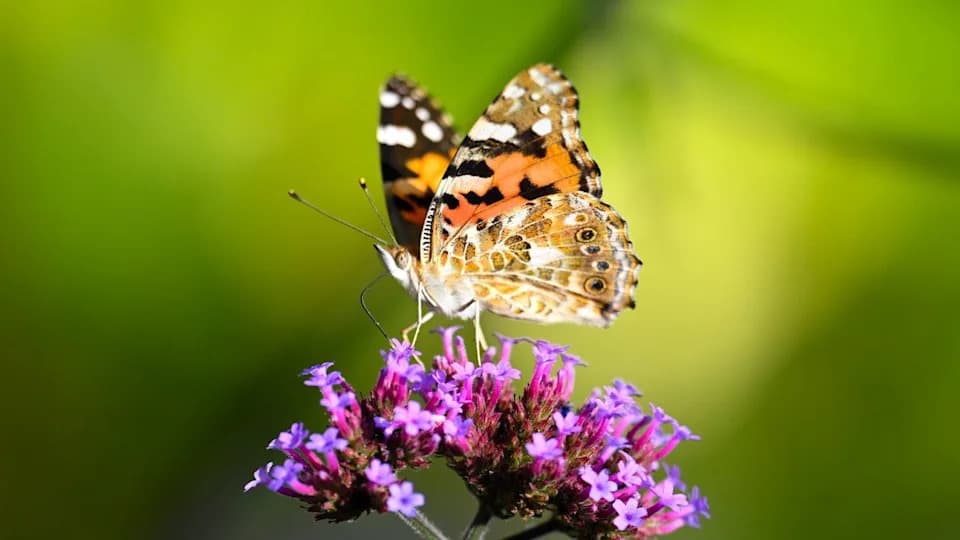
From Africa to Europe: painted lady butterflies undertake a 9,000-mile round trip each year. | Credit: Finnbarr Webster / Getty Images
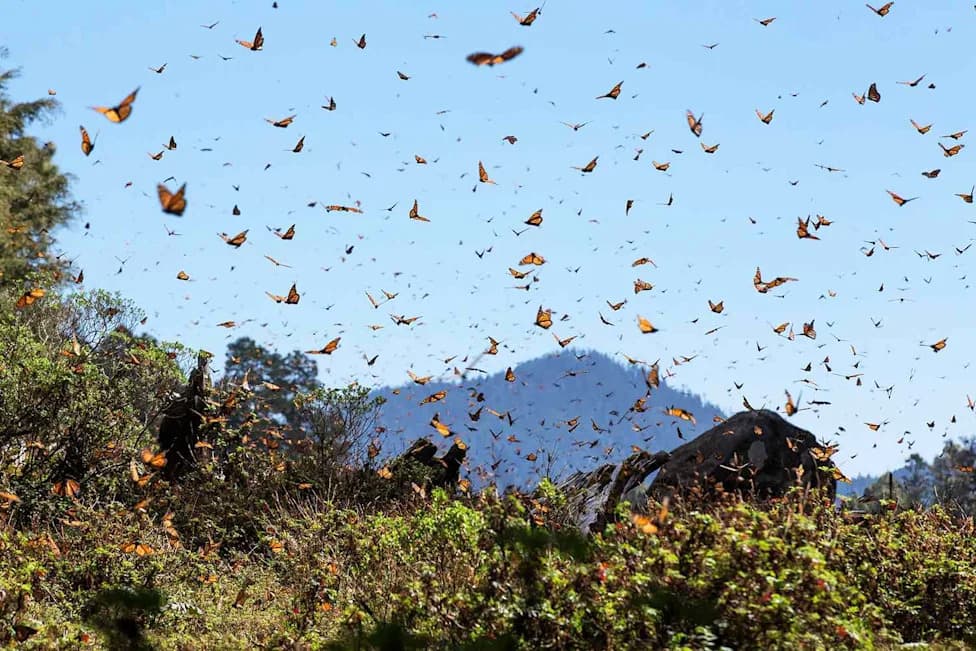
Britain is poised for an extraordinary surge of painted‑lady butterflies this summer, widely predicted to be the largest arrival in 17 years. Citizen scientists taking part in Butterfly Conservation’s annual Big Butterfly Count — the world’s largest insect survey — and reserve volunteers are already reporting dense groups of these migrants along the east coast and inland reserves.
Migration, Identification And Speed
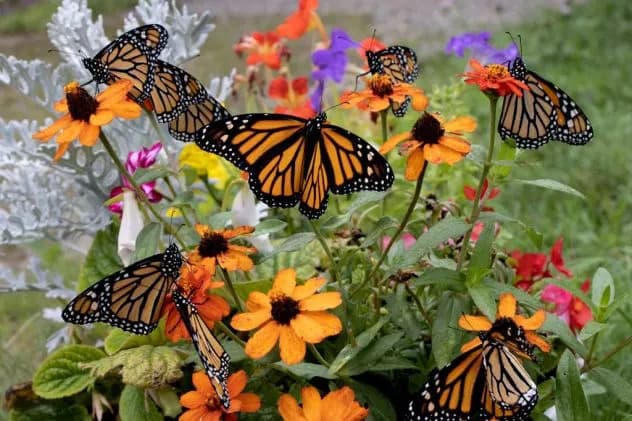
Formally named Vanessa cardui, painted ladies are medium‑sized orange butterflies with distinctive black markings and white spots on the forewing tips. Each year they undertake a remarkable long‑distance migration from the desert fringes of North Africa, across the Middle East and central Asia, into mainland Europe and onward to Britain and Ireland. The round trip is roughly 9,000 miles, making it one of the longest insect migrations known.
These butterflies develop rapidly: they can move from egg to adult in less than six weeks, so reaching Britain can involve several successive generations en route.
“We are in the midst of a miracle,” wildlife writer Simon Barnes wrote, capturing the sense of awe prompted by these mass movements.
Numbers And Recent Sightings
On an average year, about 15,000 painted ladies are recorded in the UK, though arrivals vary widely. This year large counts have already been reported — volunteers at Hickling national nature reserve logged 253 painted ladies feeding on one patch of brambles — and experts are forecasting a once‑in‑a‑decade event.
Why This Influx Is Happening
- Favourable early‑spring weather in southern Europe that encouraged breeding.
- Recent heatwaves in France and Spain that boosted reproductive success.
- Benign southerly winds that helped migrants cross the Channel into the UK.
Historic Peaks
There is precedent for huge invasions: more than 420,000 painted ladies were recorded in the UK in 2019. An even larger event occurred in 2009, when well over two million arrived in just two days in May, and observers estimated up to a billion painted‑lady sightings across that summer.
Conservation Context
Despite excitement about this spike, long‑term trends for many UK butterflies are worrying. Butterfly Conservation reports that sightings hit record lows in 2024, with some improvement in 2025, and that more than three‑quarters of butterfly species are in decline. Key drivers include climate change, habitat loss, pollution and agricultural pesticide use.
What This Surge Means—and What You Can Do
The painted‑lady influx is an uplifting reminder of nature’s resilience: given the right conditions, species can rebound rapidly. To turn episodic booms into sustained recovery, experts call for coordinated action at local, national and international levels to restore habitats, reduce pesticide impacts and protect migratory pathways.
If you want to help, take part in the Big Butterfly Count, create butterfly‑friendly planting (nectar sources and larval foodplants), and support local conservation groups monitoring populations.
Image credit: Finnbarr Webster / Getty Images
Help us improve.