The Lough Neagh yellow-eel fishery has been closed for this year and the next two years, with just 25 tonnes of mature silver eels allowed. Local fishermen — some earning up to 80% of their income from eel catches — await a DAERA financial assistance scheme as environmental pressures and long-term declines in juvenile returns are blamed for the collapse. Scientists describe the eel’s extraordinary transatlantic life cycle and magnetic navigation, but say human impacts such as pollution, barriers to migration, invasive species and overfishing drove a dramatic fall in recruitment since the 1980s. Recovery will require coordinated management, protection of migration routes and continued enforcement to reduce illegal trade.
Prehistoric Eels of Lough Neagh Face Multi-Year Fishing Closure — What’s at Stake?
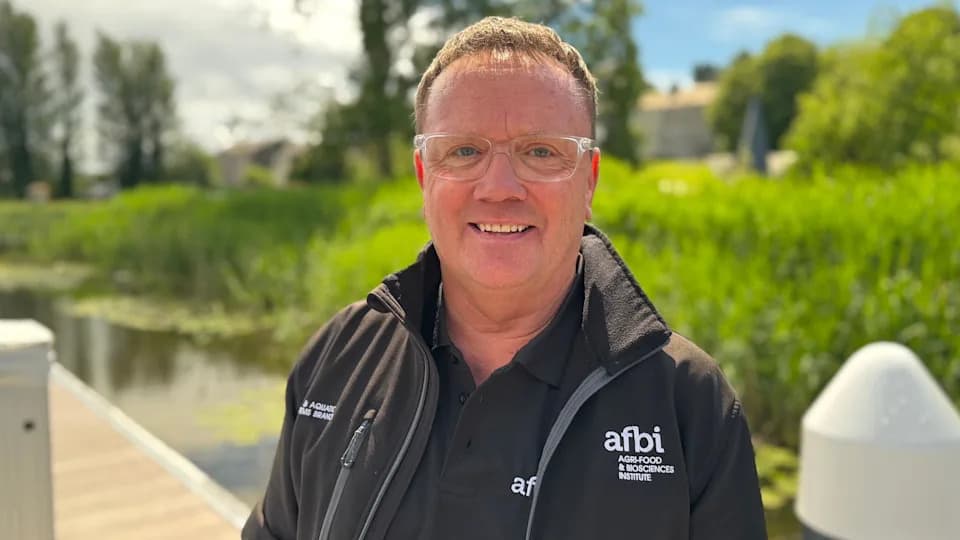
Professor Derek Evans from the Agri-Food and Biosciences Institute has spent years studying this "fascinating" species [BBC]
The Lough Neagh eel — once the first Northern Ireland product to receive EU Protected Geographical Indication (PGI) status — now faces a severe set of conservation measures. Yellow-eel fishing has been halted for this year and the next two years, while only a limited catch of 25 tonnes of fully mature silver eels will be permitted through the Lough Neagh Fishermen's Co-operative.
Economic Impact and Government Support
Many licensed fishermen rely on eel catches for the bulk of their income, with some households deriving as much as 80% from the fishery. Those families are awaiting details of a financial assistance scheme that the Department for Agriculture, Environment and Rural Affairs (DAERA) says it has developed; DAERA is pursuing the necessary multi-departmental approvals and ministerial sign-off before publishing details.
Ancient Life Cycle, Extraordinary Migration
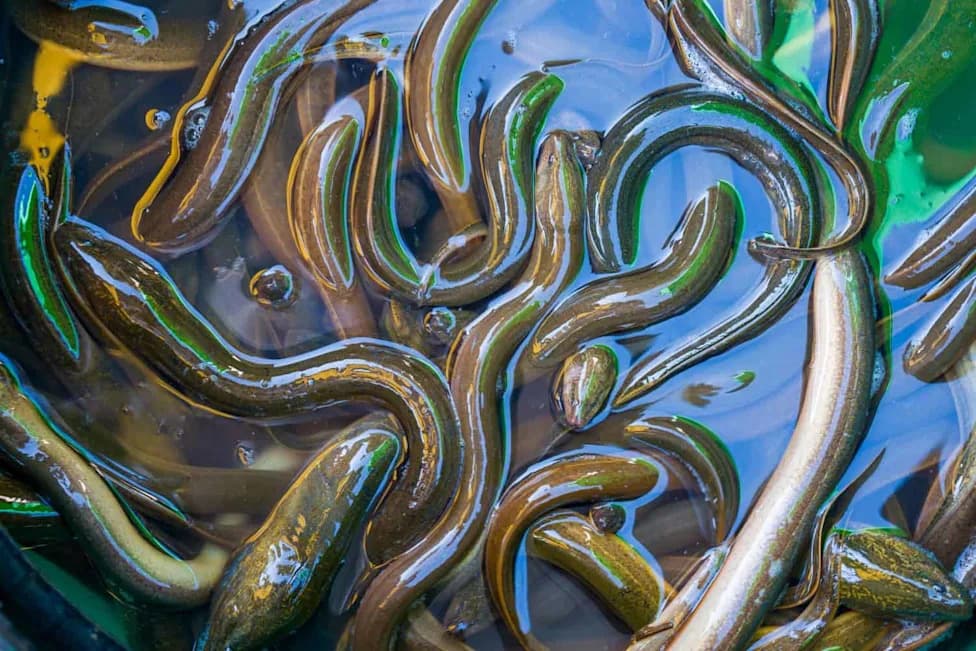
The European eel (Anguilla anguilla) is a remarkable and ancient species. Scientists know it spawns in the Sargasso Sea off the east coast of North America; its larvae drift across the Atlantic and, as glass eels and elvers, enter European estuaries and freshwater bodies such as Lough Neagh and Lough Erne. Many individuals spend up to two decades feeding in freshwater as yellow (brown) eels before undergoing dramatic metamorphosis into silver eels and making a one-way migration back to the Sargasso to spawn — after which they die.
"It is only recently we have come to realise that...they go through a range of really incredible metamorphic changes," said Professor Derek Evans of the Agri-Food and Biosciences Institute. "Their eyes get much bigger, their fins become rounded...they become sealed almost like a biological submarine," he added, describing adaptations that help eels complete the transatlantic journey.
Sharp Decline and Suspected Causes
Recruitment (the number of juvenile eels entering freshwater) has plunged since the 1980s. Estimates suggest annual juvenile arrivals fell from roughly 14–16 million to just over 200,000, with 1983 identified as the year when the steep decline became apparent.
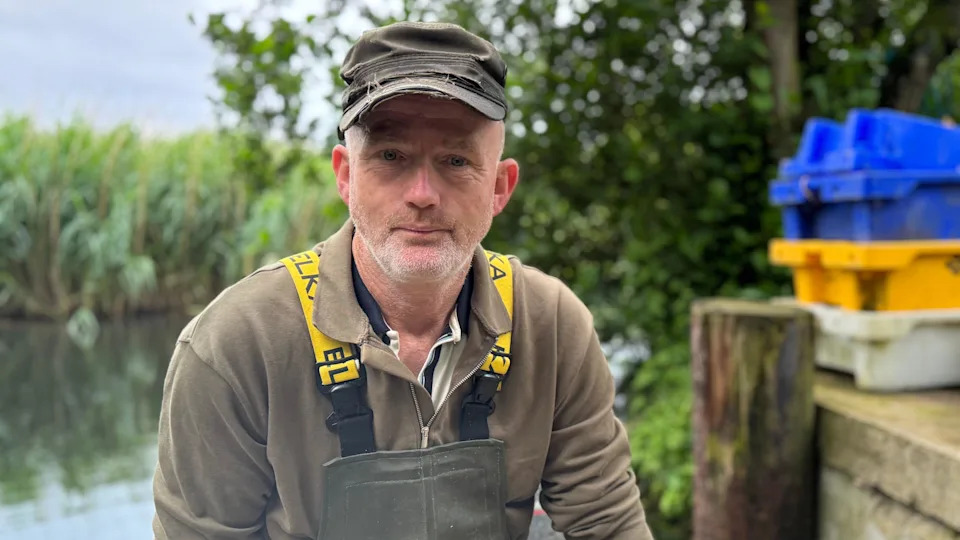
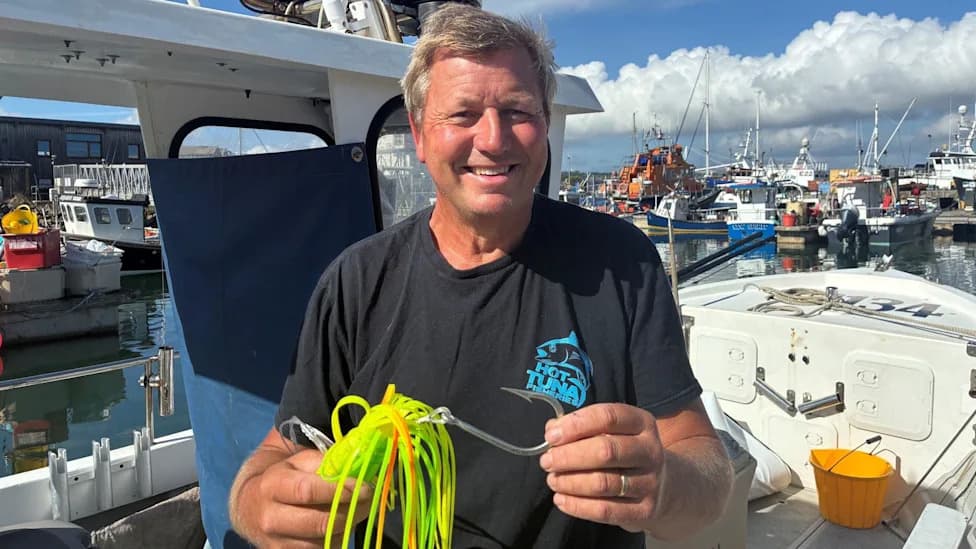
Eel fisherman Gary McErlain is the seventh generation of his family to fish for eels on Lough Neagh [BBC]
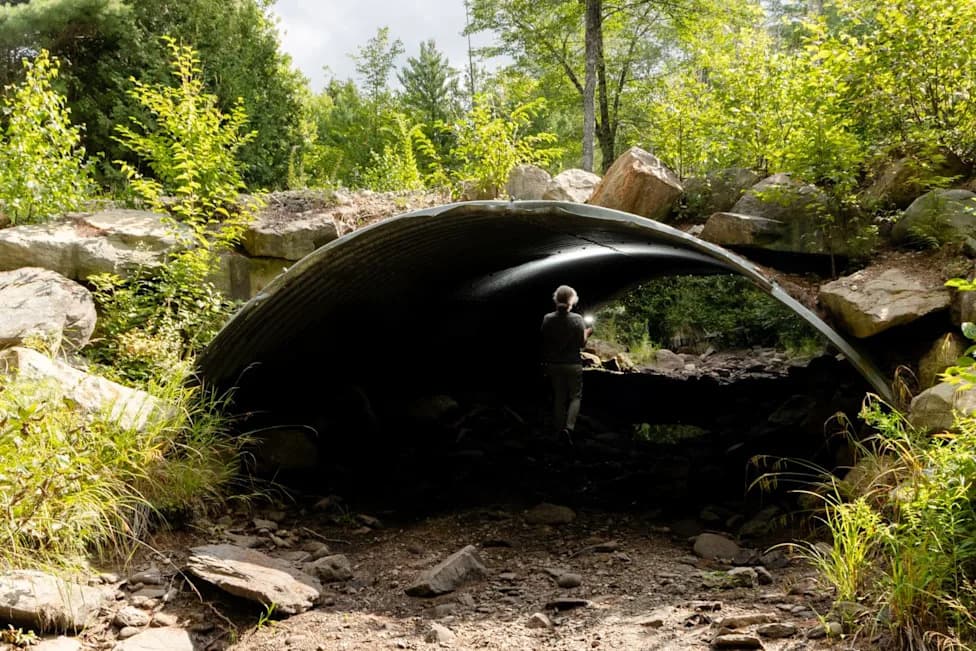
Researchers point to multiple human-driven pressures: climate change, pollution and contamination, barriers such as hydropower installations that impede migration, invasive species (for example zebra mussels) and exotic parasites, overfishing and rising illegal smuggling. Local fishermen also report worsening algal blooms in recent years (notably 2023–2025) and declining numbers of the Lough Neagh fly — a key invertebrate prey.
Management Responses and Outlook
From 2009, EU-wide eel management plans and an export ban were introduced to support recovery; some countries have already closed recreational and commercial eel fisheries. In Northern Ireland, the temporary cessation of yellow-eel fishing and limits on silver-eel takes are intended to boost the chances of adult eels reaching spawning grounds.
"The eel is a very resilient species...Given the right chances, it will continue to survive," Professor Evans said, expressing cautious optimism about recovery if threats are reduced and migration routes protected.
Voices From The Lough
Gary McErlain, a seventh-generation Lough Neagh eel fisherman, describes the closure as "devastating" for families that have depended on the fishery for generations. He attributes the collapse to multiple local and global factors: invasive species, pollution, repeated algal blooms and climate-driven heatwaves.
DAERA has stated it is progressing a temporary cessation support scheme for affected permit holders as a priority, but approvals across departments are required and no timetable has been published. When finalized and approved by the Minister, DAERA will publish the scheme details.
What Needs To Happen
Experts say recovery depends on measures that improve adult survival and migration: stronger pollution control, protection of safe routes to sea, mitigation of barriers to migration, continued fishing restrictions and robust enforcement against illegal trade. Combined with continued monitoring and research, these steps offer the best chance to restore eel populations at Lough Neagh and across Europe.
Help us improve.