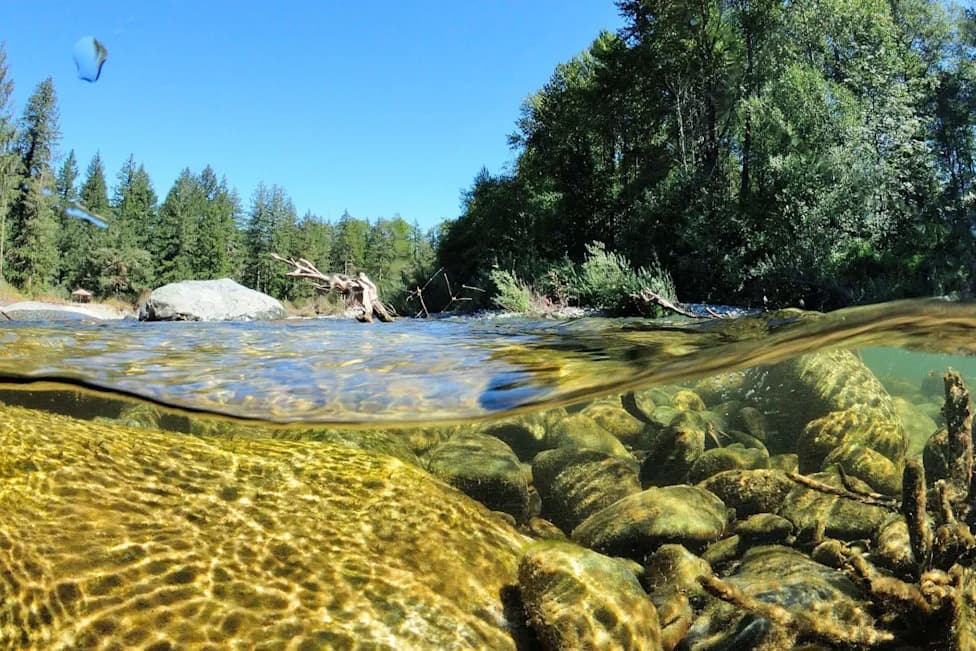
The Klamath River began a rapid recovery after four hydroelectric dams were removed in a project that started in 2023 and cost over $450 million. Within days thousands of salmon migrated upstream, and by 2025 nearly 70,000 had returned—about 180% of projections. Water quality and terrestrial habitat have improved, with 1,300 acres of former reservoir bed being replanted with native species.
Klamath River Reborn: Salmon Surge After Four Dams Removed
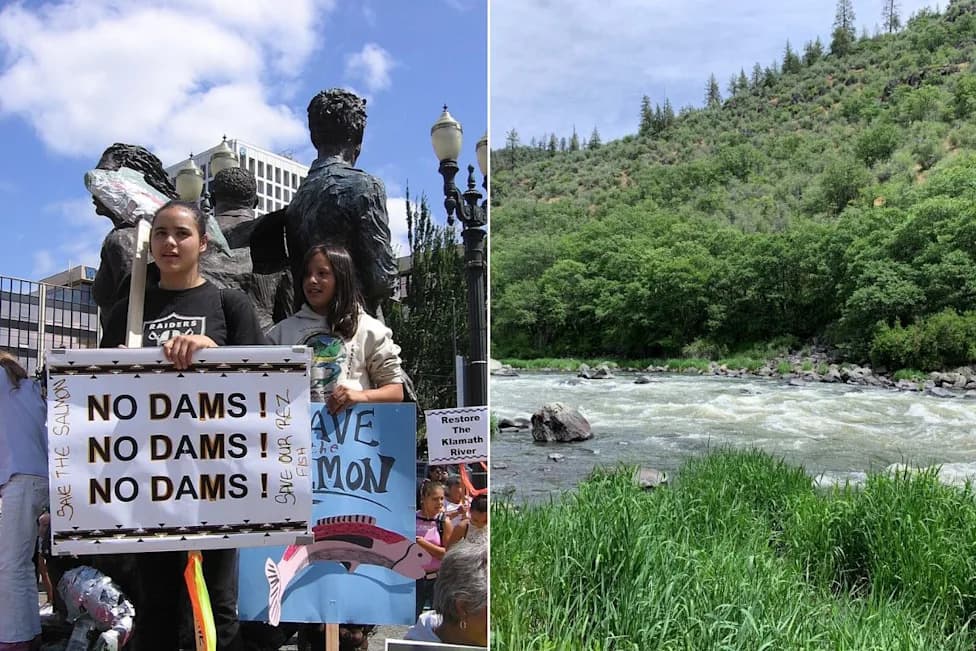
The removal of four hydroelectric dams along the Klamath River has brought the salmon population roaring back.
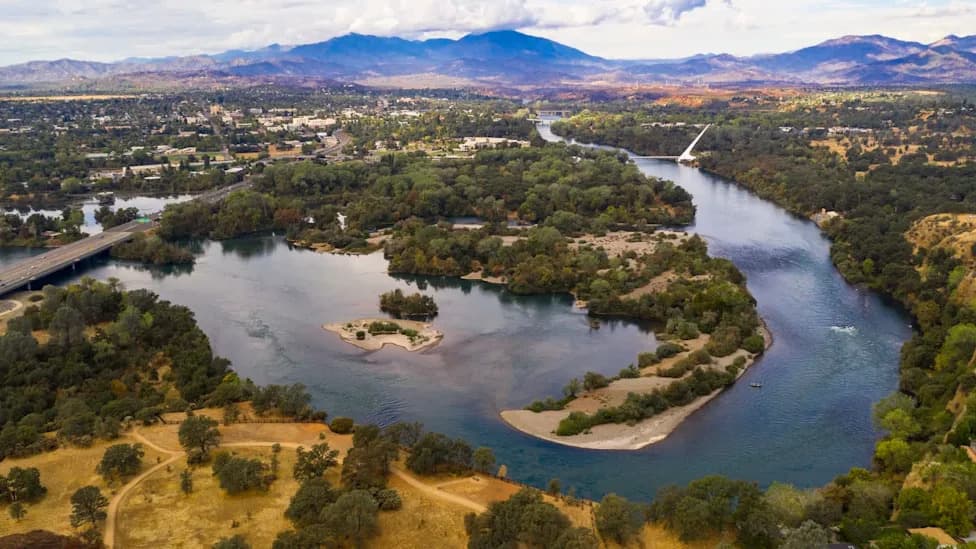
The Klamath River, an ancient waterway along the border of southern Oregon and northern California, has begun a rapid ecological recovery after the removal of four aging hydroelectric dams. For millennia the river sustained abundant salmon runs, supported diverse wildlife and vegetation, and provided food and cultural life for local Indigenous tribes.
In the early 20th century, the California Oregon Power Company (COPCO) built a series of dams that blocked salmon access to more than 400 miles of river, degraded water quality and contributed to toxic algal growth. Those facilities eventually became uneconomical to upgrade: COPCO, now PacifiCorp, obtained roughly 2% of its power from the dams, making major investments hard to justify.
After decades of advocacy by local tribes, environmental groups and communities, federal authorities approved a large-scale removal. Beginning in 2023, engineers from the Klamath River Renewal Corporation dismantled the four major hydroelectric structures over roughly ten months. Controlled explosive breaches and heavy machinery were used to clear the dams and restore river flow as sediment and debris were managed and removed.
Tribal leaders had long sounded the alarm about collapsing fish populations. Yurok tribal member Ashley Bowers told Earthjustice that as a child it was common to catch 'upwards of 300 fish in one day,' a level of abundance that diminished dramatically over her lifetime. Scientists and tribal fisheries managers predicted benefits from removing the barriers—but the pace and scale of recovery exceeded many expectations.
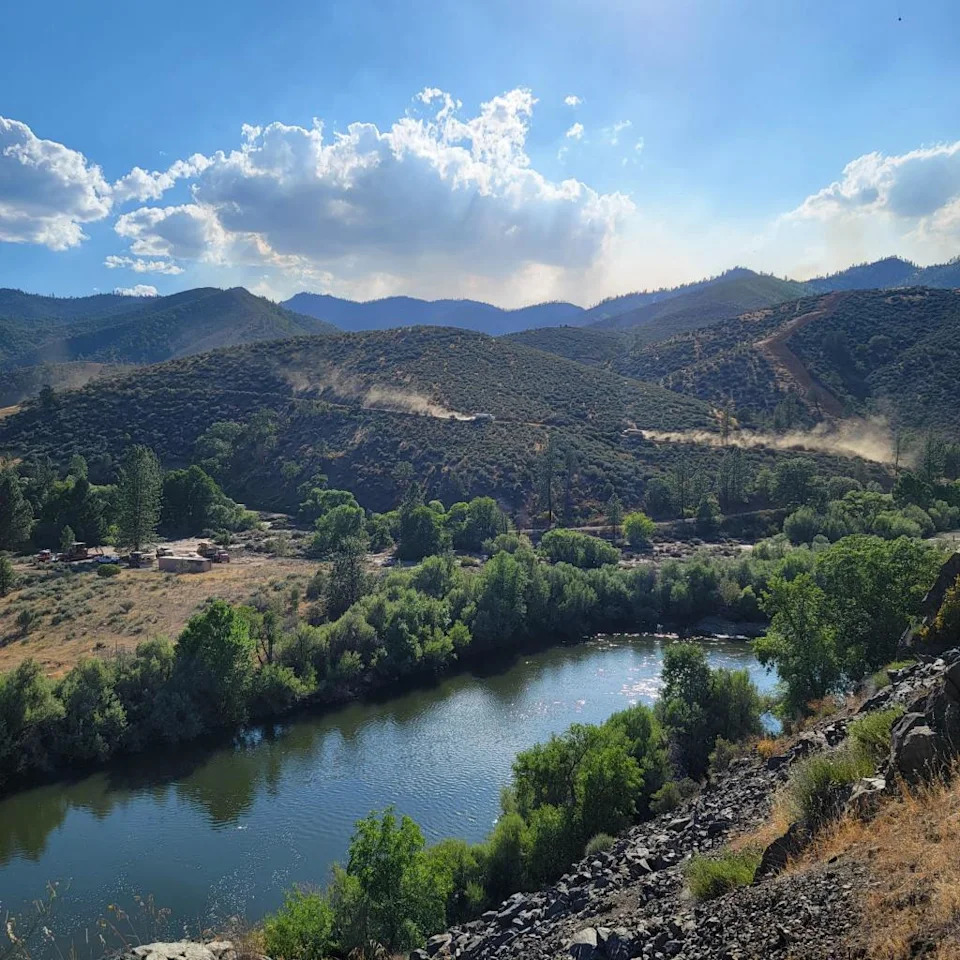
The beautiful Klamath River. Photo credit:Wikimedia Commons
'The speed and scale of the river's recovery has exceeded our expectations and even the most optimistic scientific modeling, proving that when the barriers fall, nature has an incredible power to heal itself,' said Barry McCovey Jr., director of the Yurok Tribal Fisheries Department.
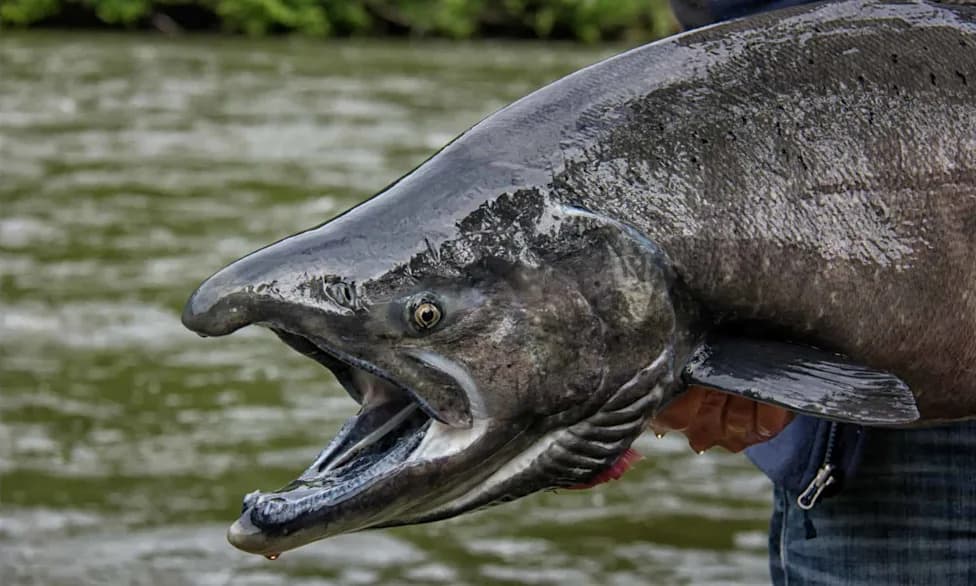
The biological response began almost immediately: within days thousands of salmon began migrating upstream. By the 2025 season, nearly 70,000 salmon had returned to the mainstem Klamath and its tributaries, about 180% of initial projections. Fish are now accessing stretches of river they hadn't used in a century, significantly expanding available spawning habitat.
Water quality has also improved. While 58% of water samples failed to meet public safety standards when the reservoirs were in place, monitoring showed that by 2026—two years after dam removal—sampled sites met testing benchmarks, even though the basin remains periodically vulnerable to toxic algal blooms.
Terrestrial recovery is underway as well. Approximately 1,300 acres of former reservoir bed are being replanted with native vegetation—an effort described as the equivalent of roughly 19 billion seeds' worth of plantings—creating habitat for birds and other wildlife. The river has additionally reclaimed an older channel that had been buried beneath a century of sediment, allowing natural flow patterns to reestablish.
Across the United States and globally, more aging, unsafe or uneconomic dams are being removed to restore river connectivity. Advocates emphasize that free-flowing rivers tend to stay cooler in warming climates and are more resilient to floods, droughts and extreme weather. As Fernández-Garrido, senior grants manager for the European Open Rivers Programme, told CNN: 'It is always safer and more cost-effective to work with nature rather than against it.'
The Klamath project — a multiyear, more-than-$450 million effort that began in 2023 — demonstrates how removing obsolete infrastructure can rapidly revive ecosystems, return culturally important resources to Indigenous communities and improve watershed health.
Help us improve.