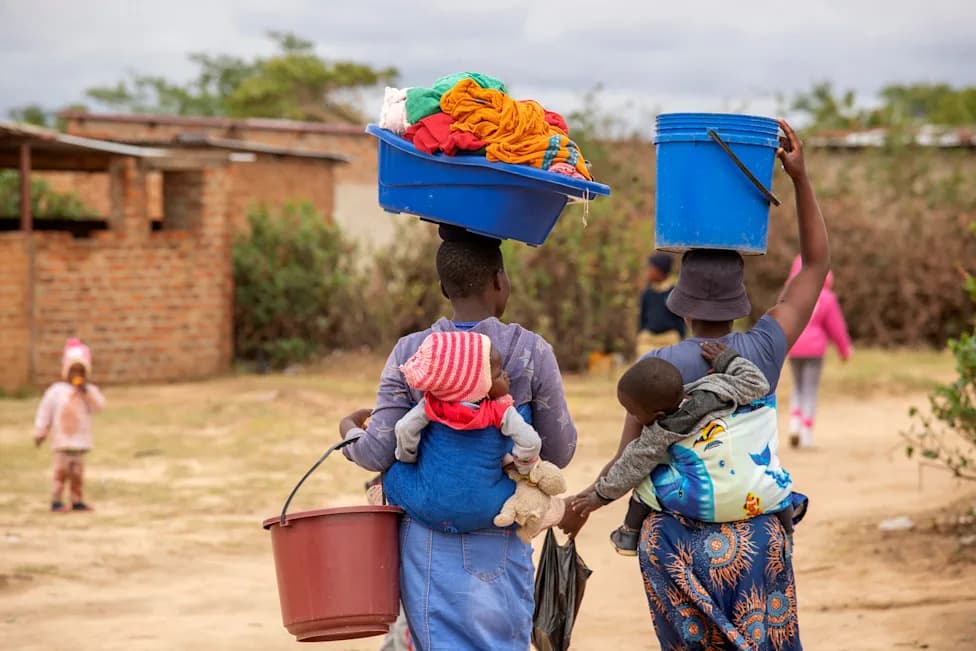
The International AIDS Conference in Rio highlighted an alarming drop in donor support that threatens HIV progress despite strong scientific advances. UNAIDS reports show international financing fell 18% in 2025 and European funding has declined 58% since 2011, while the US now provides 74% of donor government funding. Domestic funding rose modestly, but many low‑income countries still rely heavily on overseas aid, and advocates urge pharma and governments to ensure affordable access to breakthrough drugs to avoid reversing gains.
HIV Progress in Peril as Global Funding Plummets — Science Ready, Politics Lagging
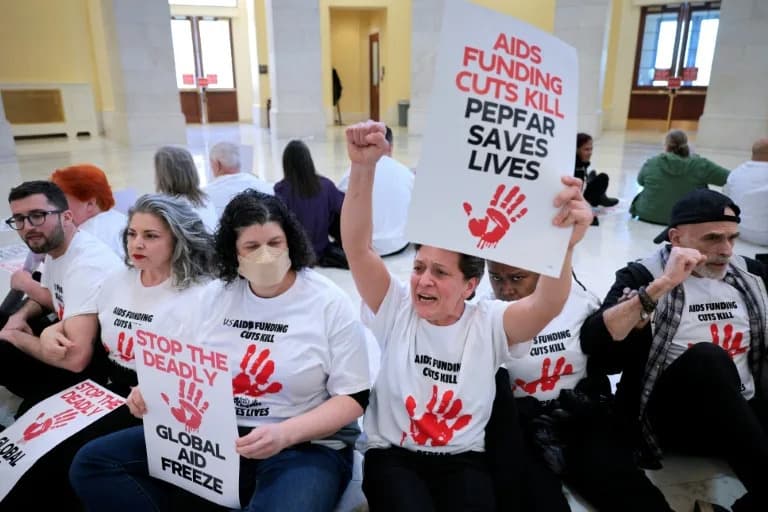
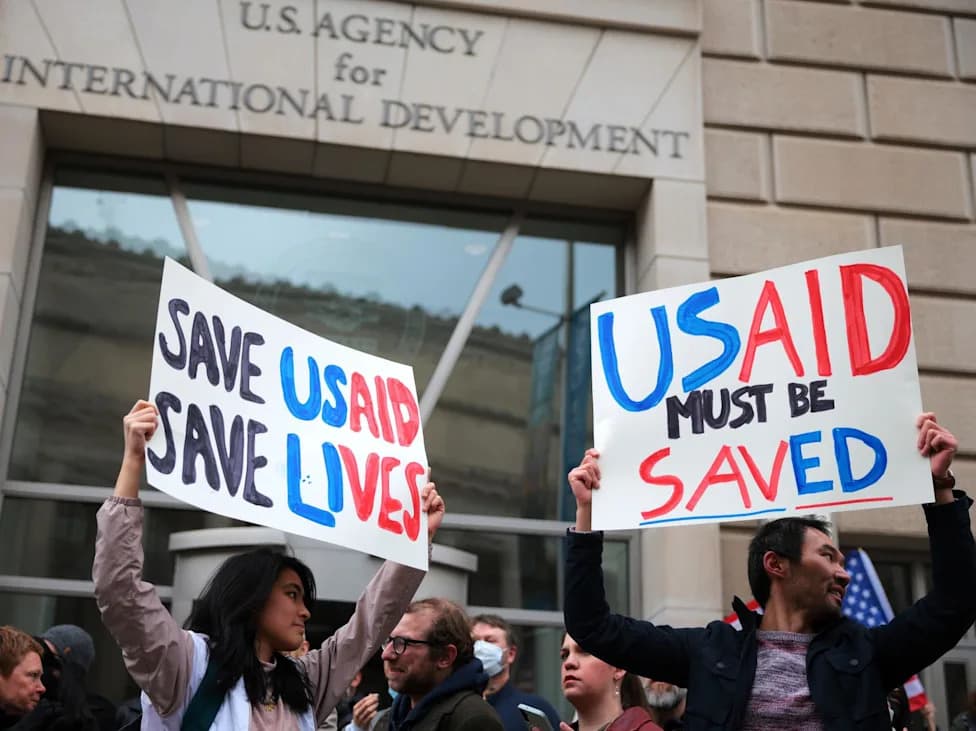
A protest at the US Capitol last year against the Trump administration's cuts to HIV/AIDS funding (CHIP SOMODEVILLA)
Experts at the 26th International AIDS Conference in Rio de Janeiro warned that recent, steep cuts to donor funding have put global HIV progress at serious risk — even as scientific tools for prevention and treatment are stronger than ever.
Funding Shock: A Dangerous Reversal
A new UNAIDS report released at the conference found that international financing for HIV programs in developing countries fell by 18% in 2025 alone. Since 2011, funding from European countries has declined by 58%, and as European contributions shrank the United States now accounts for 74% of donor government funding, despite large US cuts last year.
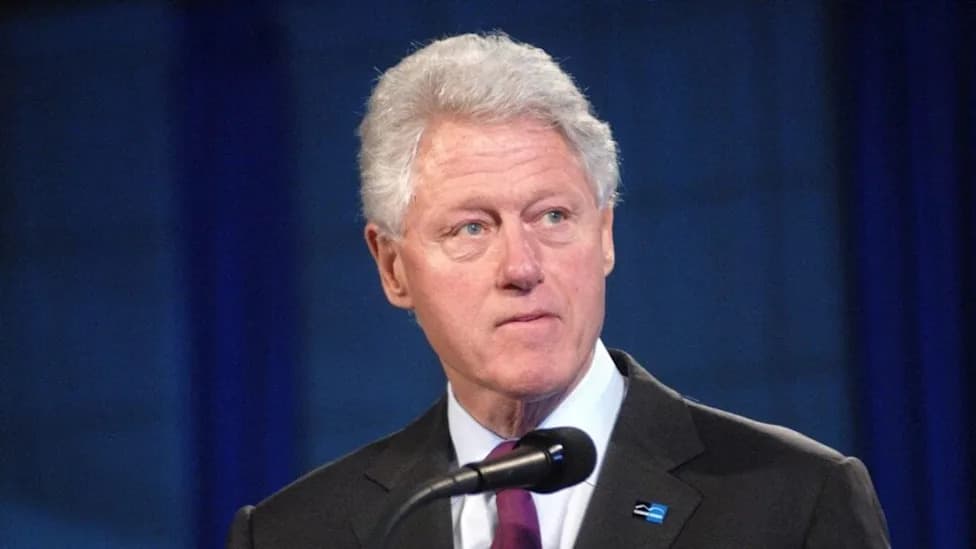
“Never has donor funding fallen so far, so fast, and those most vulnerable are already paying the price,” said Beatriz Grinsztejn, President of the International AIDS Society.
Science vs. Inequality
Scientists say the biomedical arsenal against HIV — including highly effective prevention medicines and long-acting injectable options — puts the world within reach of ending AIDS as a public health threat. But UNAIDS Executive Director Winnie Byanyima cautioned that the barrier today is political will and inequality, not science: “Science has done its job, now politics must do its job.”
Although new HIV infections and AIDS-related deaths fell to their lowest levels in more than 30 years in 2025, infections nonetheless increased in 21 countries, underscoring the fragility of recent gains.
Domestic Efforts And Persistent Gaps
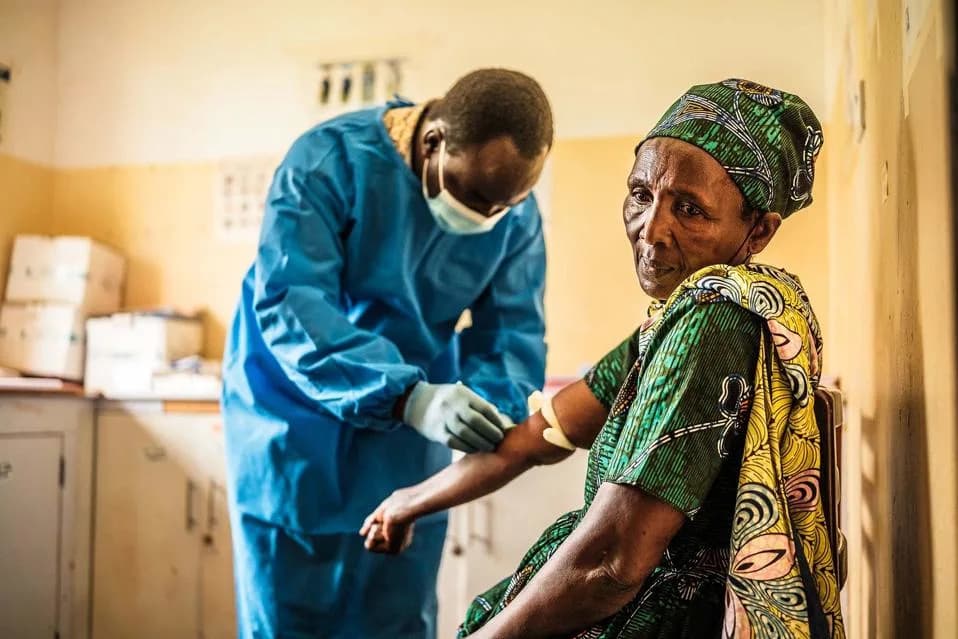
Some developing countries have increased domestic spending: domestic funding rose by 4% last year and now represents nearly 60% of the total global HIV response. Yet many low-income African countries remain highly dependent on overseas development assistance — in some cases for up to 90% of their HIV programs — leaving them exposed to external budget shocks.
Access To New Drugs: Progress And Obstacles
Advocates pressed pharmaceutical companies to make new drugs affordable and widely available. Ahead of the conference, Merck announced plans to license select manufacturers in Africa and India to produce cheaper generic versions of its once-monthly antiretroviral pill alimetravir (not yet approved). Meanwhile, Doctors Without Borders (MSF) urged Gilead to expand access to lenacapavir, a twice-yearly injectable preventive drug.
MSF noted that some countries that hosted clinical trials — including Brazil, Argentina, Mexico and Peru — are excluded from current agreements for generics. Research cited by MSF estimates lenacapavir could be produced for around $40 per person per year, yet prices have reached as high as $28,000 per patient annually in the United States.
What Needs To Happen
Speakers at the conference called for urgent action: restore and diversify international financing, protect low-income countries from sudden aid shocks, expand domestic investment, and secure affordable licensing and pricing for breakthrough prevention and treatment drugs. Without these steps, experts warned, the world risks reversing decades of progress.
“When prevention disappears, infections rise. When treatment is interrupted, people die. We know how this story ends if we fail to act,” said Winnie Byanyima.
Help us improve.