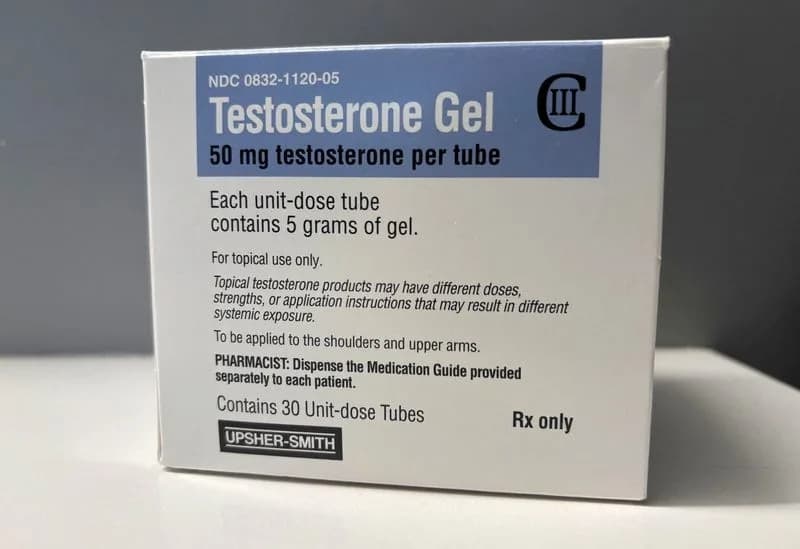
The Pentagon has ordered annual testosterone screenings for service members beginning at age 30 and will offer medically supervised replacement therapy to those with clinically low levels. Officials argue hormonal health affects strength, recovery and overall combat readiness, while critics warn the policy intersects with contentious legal and culture-war issues, including questions about transgender care. Studies suggesting a long-term decline in average male testosterone add a broader public-health dimension to the debate. Regulatory changes by the FDA have also influenced the national conversation about testosterone therapy.
Pentagon Orders Testosterone Screening, Framing Hormones as a Readiness Issue

AP
The Pentagon has directed annual testosterone testing for service members beginning at age 30, a move that brings hormone levels into the conversation about combat readiness and public health.
What the Directive Says
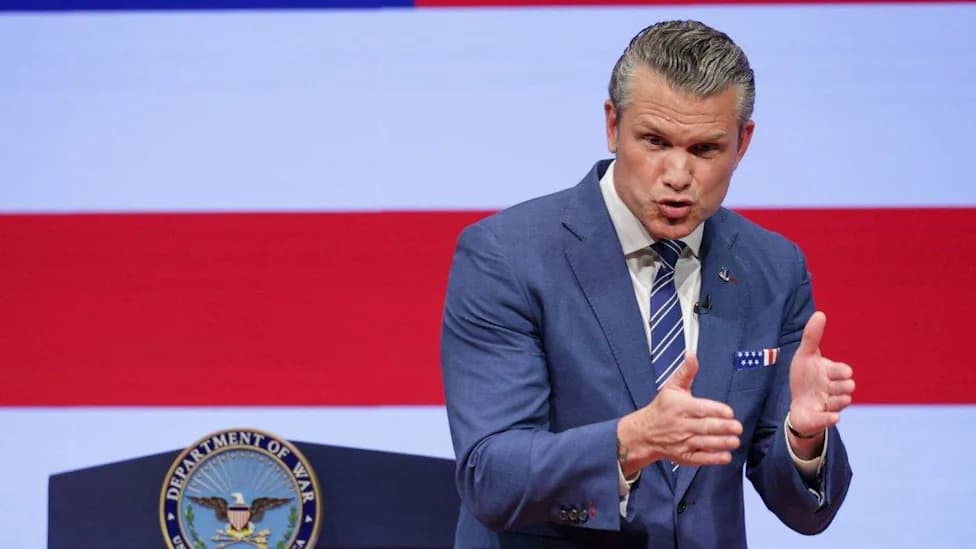
Pete Hegseth, a senior Pentagon official, announced this month that the U.S. military will begin routine testosterone screenings for personnel starting at age 30. According to the guidance, service members found to have clinically low testosterone would be offered the option of testosterone replacement therapy under medical supervision.
Medical Context
Beyond the political headlines and late-night satire, medical experts say low testosterone can have real consequences. Testosterone affects muscle strength, bone density, energy, recovery, red blood cell production, mood and libido. Men with clinically low testosterone commonly report fatigue, reduced muscle mass, decreased bone density and impaired physical performance — all factors that can influence a soldier’s effectiveness in the field.
“This initiative — it’s not about artificial enhancement,” Hegseth said. “It’s about restoring and optimizing your natural capabilities, protecting your longevity, and ensuring you have the biological foundation required to sustain the fight.”
Evidence of a Long-Term Decline
Several studies have documented declines in average testosterone levels among men over recent decades. Research presented by Professor Hagai Levine of the Hebrew University–Hadassah Braun School of Public Health reported a substantial decrease in average male testosterone between 1972 and 2019. Some scientists link falling testosterone to broader reproductive trends, including declines in sperm counts and fertility, though research is ongoing and debates remain over causes and public-health implications.
Legal And Cultural Questions
The policy raises potential legal and cultural issues. The Pentagon’s order applies to women as well as men — likely an effort to avoid sex-discrimination claims — but courts have already examined whether offering testosterone to service members while excluding transgender hormone treatments could be discriminatory. The rollout will therefore play out against a backdrop of culture-war disputes about gender, medicine and military policy.
Regulatory Background
Regulatory shifts have also influenced public debate. In recent years, the Food and Drug Administration has revised some communications about cardiovascular risks tied to testosterone therapy and has considered broader labeling for age-related use. Advocates say these changes reflect evolving evidence; critics urge caution and emphasize that hormone therapy is a medical decision that requires individualized assessment of benefits and risks.
Why the Military Is Involved
The armed forces routinely screen for conditions that affect readiness — vision, cardiovascular health, body composition and endurance, among others. Frame the issue clinically: if hormone imbalances reduce strength, recovery or resilience, they can be as operationally relevant as other medical conditions the military monitors. From that standpoint, routine screening and treatment options would be an extension of standard readiness practices rather than a political statement.
Conclusion
Whether one welcomes or opposes the Pentagon’s directive, the policy forces a broader public conversation about male hormonal health. If generational declines in testosterone are real and widespread, they are a public-health concern that extends beyond the military. Any response should balance medical evidence, individual patient needs and the legal rights of service members while keeping combat readiness as the primary aim.
About the author: Frank Miele is a columnist who has written on media and public policy. His work appears in a variety of outlets.
Help us improve.