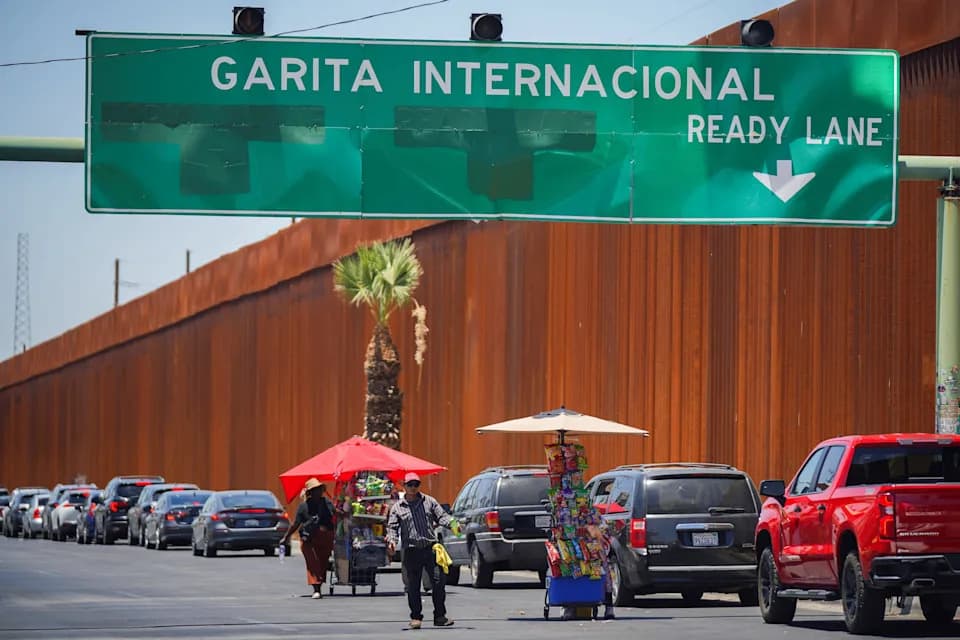
New DHS Rule: Beginning July 28, USCIS may refer certain asylum applicants directly to immigration judges without a prior intake interview. Supporters say the change will help reduce a backlog of about 1.4 million cases and flag potential public-safety risks more quickly. Critics say the rule short-circuits due process, risks faster deportations, and arrives amid broader court changes—including mass judge departures and directives to speed case dismissals. A recent federal ruling also struck down discriminatory policies applied to nationals of roughly 40 countries.
DHS Rule Lets Some Asylum Seekers Be Sent Directly To Immigration Court, Raising Due-Process Concerns
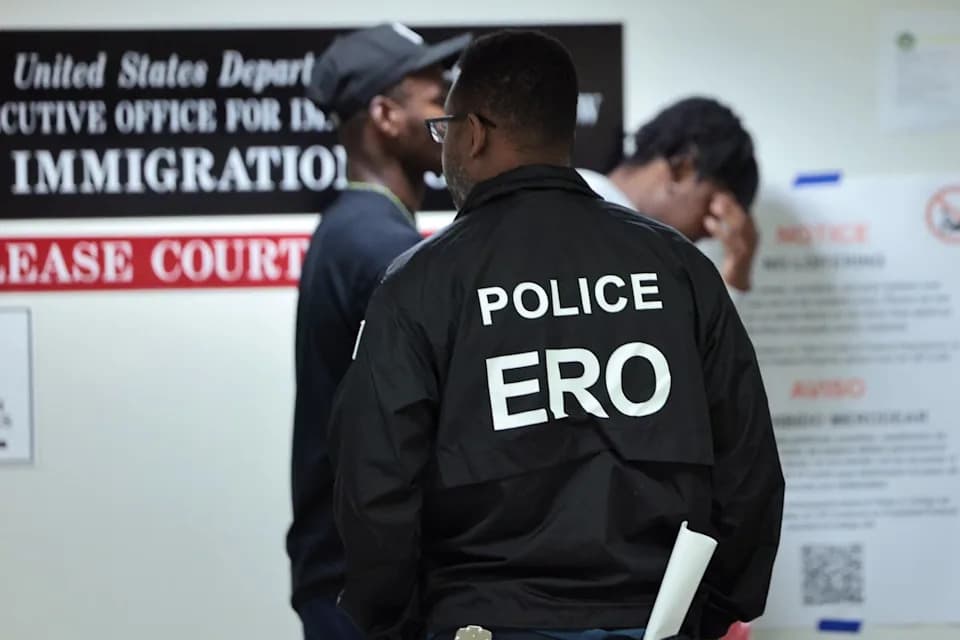
A new DHS rule would force some asylum applicants into immigration courts before they've been interviewed by officials, a move that critics say violates due process and could put thousands of people into hostile deportation proceedings before they've had a chance to make their case to an immigration officer (Getty)
Hundreds of thousands of people seeking asylum in the United States could soon have their claims decided in immigration courtrooms under a new Department of Homeland Security rule that allows certain asylum applicants to be referred straight to immigration judges without first receiving a USCIS intake interview.
What the Rule Does
Under the regulation, which takes effect July 28, asylum officers at U.S. Citizenship and Immigration Services (USCIS) may refer some applicants directly into removal proceedings before immigration judges, who operate under the Department of Justice. Previously, many individuals who said they were fleeing persecution were first interviewed by asylum officers before any referral to court.
Government Rationale
DHS and USCIS say the change is intended to help clear a backlog of roughly 1.4 million pending asylum matters and to more quickly identify people who might pose public-safety or national-security risks so those cases can be handled in an adversarial courtroom setting.
“Through the rule, USCIS is also able to more quickly identify aliens that pose a danger to public safety or national security and place those aliens in removal proceedings, where his or her claim for asylum or other forms of relief can be more appropriately heard in an adversarial setting by an [immigration judge],” the agency said in a statement.
Joseph Edlow, USCIS director appointed under the current administration, said the measure is aimed at preventing misuse of the asylum system for delay or to secure work authorization rather than protecting people with legitimate fears of persecution.
Critics' Concerns
Immigrant-rights advocates warn the rule short-circuits due process and increases the odds that judges will dismiss claims early, leaving people vulnerable to rapid detention and removal. Beth Oppenheim, president and CEO of refugee advocacy group HIAS, warned the rule could be "disastrous for people in need of safety."
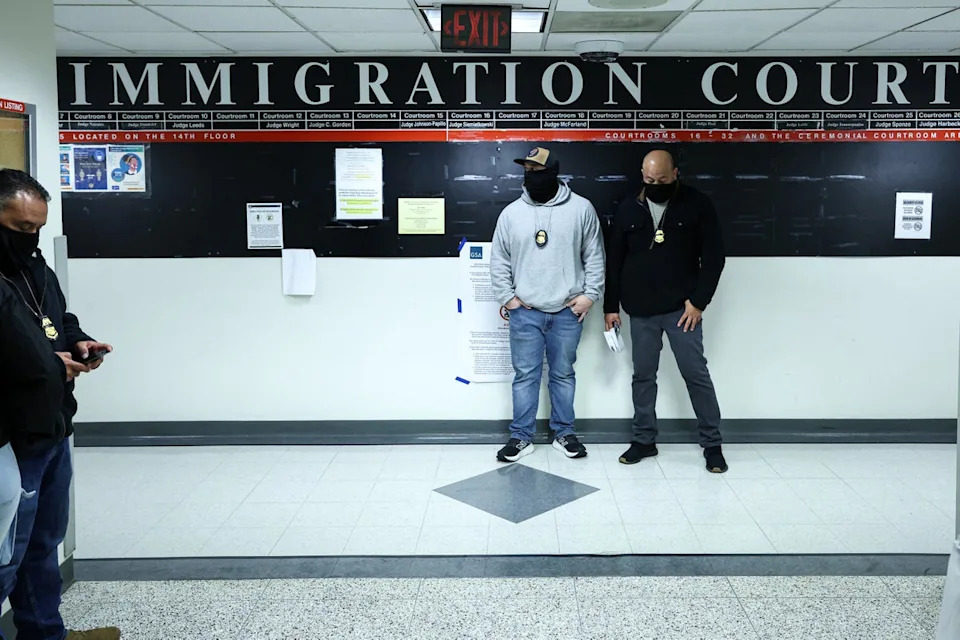
The new policy follows the Trump administration's drastic changes to the immigration court system, where judges under the DOJ's control have been ordered to deny bond and swiftly dismiss cases to speed up arrests and deportations (AFP/Getty)
Critics also point to broader changes in immigration-court policy, including the removal or forced departure of more than 100 immigration judges over the past year, new directives encouraging speedy dismissals at initial hearings, and guidance to deny bond more routinely—moves that advocates say make the courts more hostile to asylum claims and increase detention rates.
Those shifts have coincided with high-profile enforcement activity: Immigration and Customs Enforcement (ICE) told Congress earlier this year that it plans to deport about 1 million people in 2026 and 2027 and expects to hold at least 99,000 people in detention on any given day.
Scenes of masked agents escorting detained migrants from courthouse corridors sparked criticism and legal challenges; a federal judge barred the practice in New York City immigration courts.
Legal Pushback
Separately, a federal judge recently ruled that the administration unlawfully discriminated against "countless" immigrants by categorically restricting asylum, green-card and citizenship applicants based on country of origin. U.S. District Judge John McConnell struck down four policies that applied to nationals from roughly 40 countries, finding that national-security rationales had been used to mask anti-immigrant sentiment.
Advocates say the new referral rule should be evaluated in the larger context of these policy and personnel changes that have reshaped the immigration system.
What This Means For Asylum Seekers
For some applicants, the rule could mean the loss of a preliminary interview that might surface evidence and legal arguments important to an asylum claim and instead require them to make those claims immediately in removal proceedings, where the stakes and procedural complexity are higher. Legal advocates urge those impacted to seek counsel and to be aware of the accelerated procedural environment.
Help us improve.