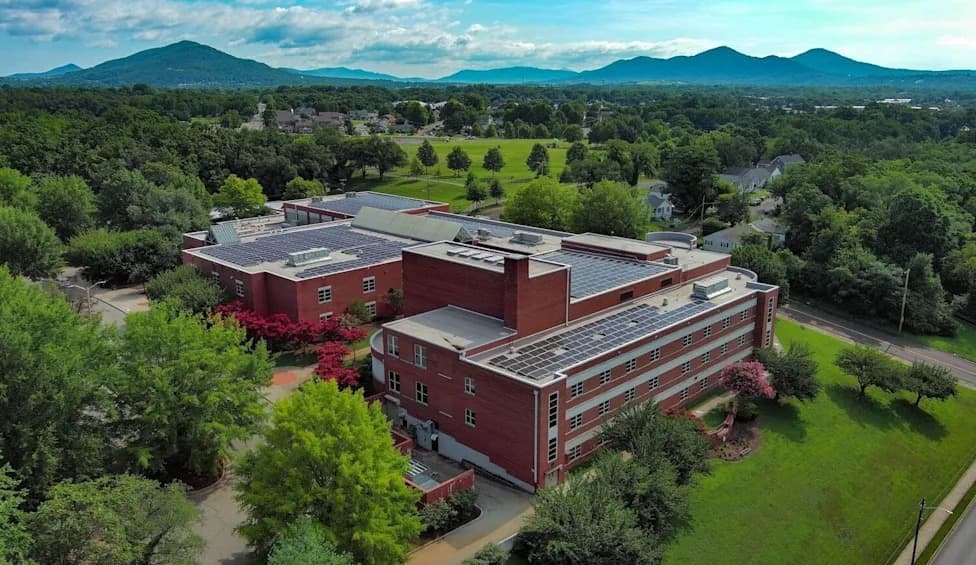
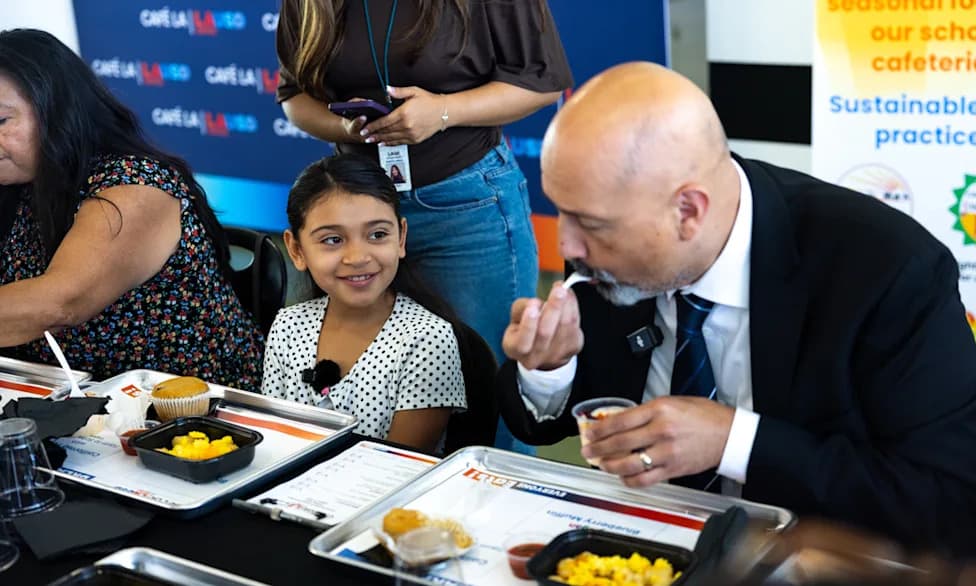
Olive Chapel Elementary in Apex redirects sealed, uneaten school lunch items to a supervised sharing cart so other students can eat them instead of throwing them away. The SHARE program, led by Toward Zero Waste in partnership with Wake County Public Schools, began as an eight-school pilot in spring 2025 and now operates at 37 campuses, recovering about 41 items per school each day. The effort addresses child hunger, reduces landfill waste and lowers methane emissions, though state rules currently limit recovery of some dairy items pending safety guidance.
North Carolina Schools Redirect Sealed Lunch Items to Students, Cutting Waste and Hunger
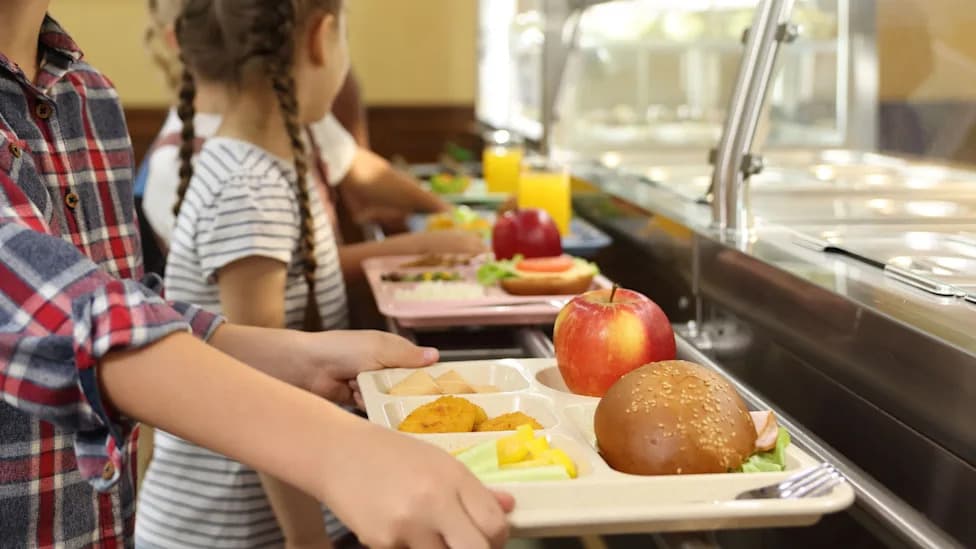
Photo Credit: iStock
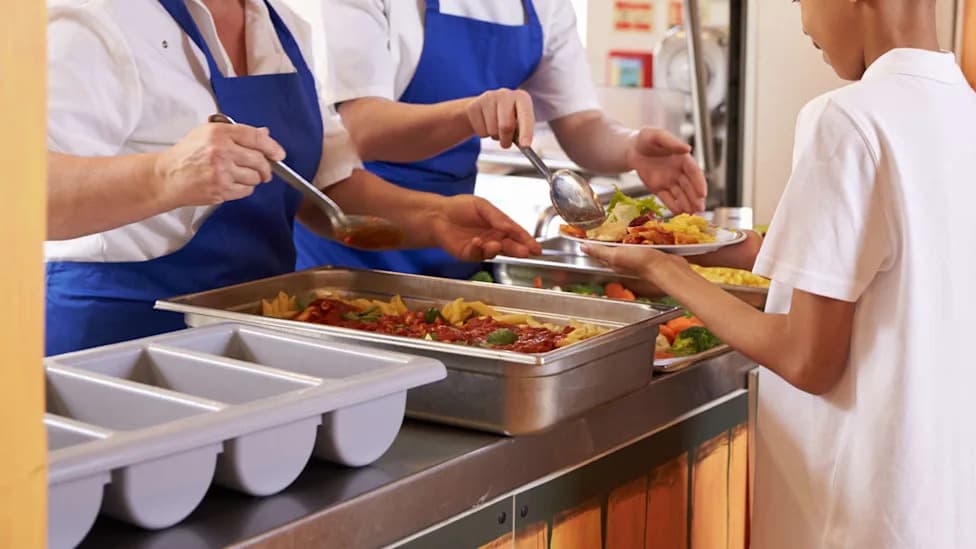
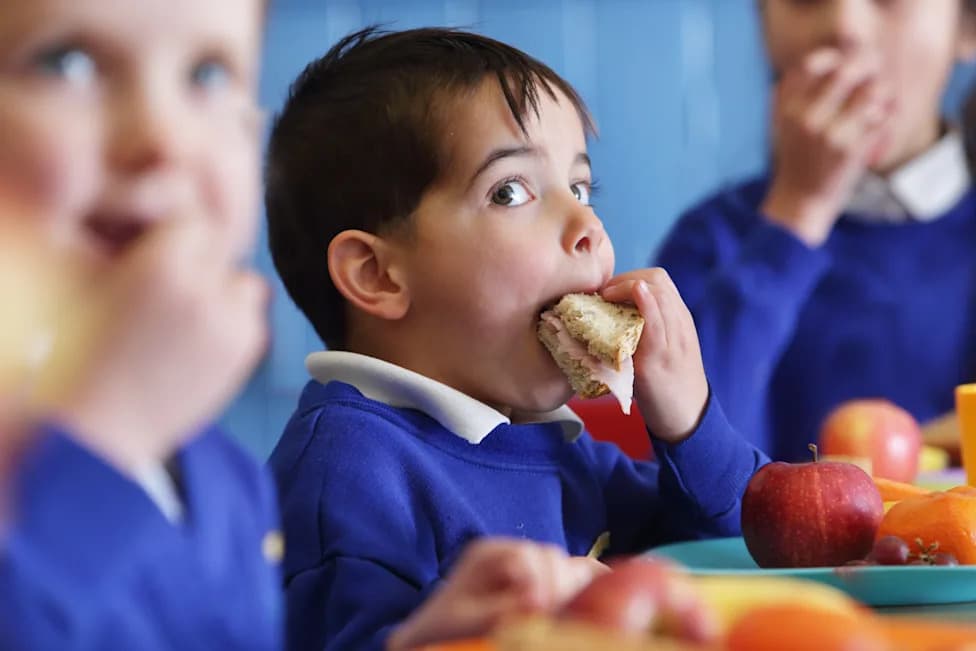
At Olive Chapel Elementary in Apex, sealed applesauce cups, bananas and juice boxes that students don’t eat are placed on a supervised sharing cart so other pupils can take them during lunch or later in the day. Instead of being tossed, these unopened items are kept in circulation — feeding students and keeping food out of landfills.
How the Program Works
Olive Chapel joined the Stop Hunger and Restore Earth initiative last year to keep wholesome, school-served food available to students rather than sending it to a landfill. The program operating in Wake County is called SHARE, a partnership between the nonprofit Toward Zero Waste and the Wake County Public School System. SHARE began as an eight-school pilot in spring 2025 and has expanded to 37 campuses, with more schools awaiting enrollment.
Students put only unopened, school-served items on a monitored sharing cart during lunch; examples include apple slices, baby carrots, bananas, juice cartons and packaged snacks. Anything remaining after lunch is moved to a refrigerator or pantry cart that students can access later. Toward Zero Waste supplies carts, mini-fridges, signage and training, conducts regular safety check-ins and assumes liability under its agreement with Wake County Public Schools.
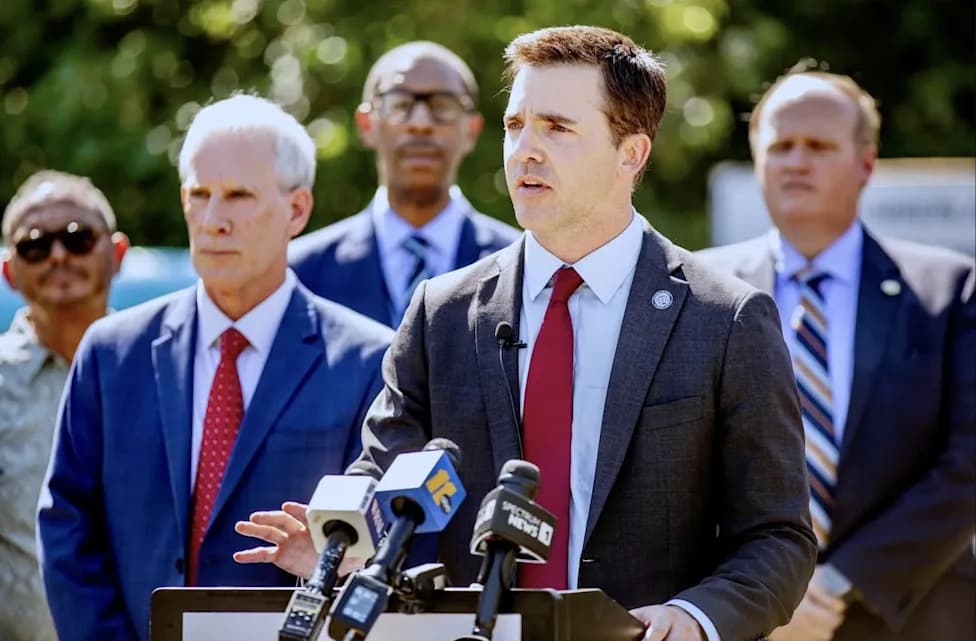
"This program ensures that all kids are fed," said Ashley Charles, assistant principal at Olive Chapel Elementary. "For kids who maybe don't have snacks or need extra food, it's a way that we can save food and make sure they're getting what they need."
Impact On Waste, Hunger and Climate
Early figures from the program show participating schools recover about 41 food items per school each day, according to Megan Holler, Toward Zero Waste’s food recovery and compost director. The initiative tackles two problems at once: reducing childhood food insecurity and cutting the volume of edible food sent to landfills.
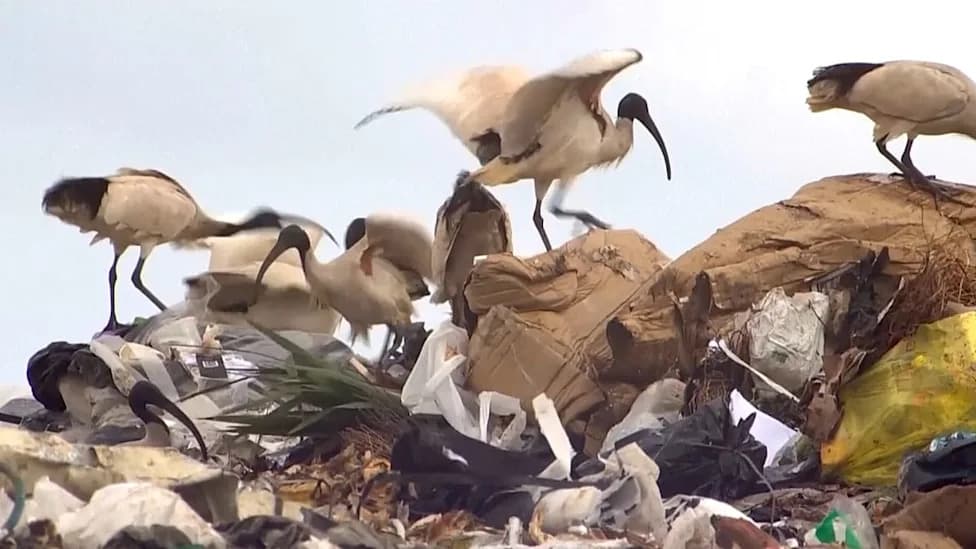
About one in five children in North Carolina faces hunger, the North Carolina Poverty Research Fund reports. The Environmental Protection Agency estimates food makes up roughly a quarter of municipal solid waste. Food that decomposes in landfills releases methane, a potent greenhouse gas; keeping edible items in use therefore reduces carbon pollution and preserves the resources used to grow, process and transport that food. A 2025 EPA study also estimated food waste costs more than $700 per person annually in the U.S. and nearly $3,000 for a family of four.
Wake County has a local incentive to act: officials expect the South Wake Landfill to reach capacity between 2040 and 2045. Programs such as SHARE can incrementally lower the volume that must be buried.
Limits, Safety And Next Steps
Advocates would like to recover more items, especially sealed dairy such as milk cartons, yogurt and cheese sticks. Current state guidance prevents schools from collecting these dairy items because they are considered Time/Temperature Control for Safety (TCS) foods and are subject to stricter handling rules. A North Carolina Department of Health and Human Services spokesperson told NC Health News that the department’s Environmental Health Section plans to discuss the matter further with the Department of Public Instruction to pursue safe handling options.
"You really can't ask for a more organized process or plan, and a tremendous amount of support in terms of anything that you need or any questions that you have," said Elizabeth Hannah, principal at Lufkin Road Middle School, speaking about the ease of adoption with Toward Zero Waste’s support.
By keeping sealed, wholesome food available to students, SHARE helps reduce waste, lower greenhouse-gas emissions tied to food disposal and provide extra nourishment to children who need it. Schools and advocates continue to explore safe ways to expand the program, especially around refrigerated dairy items.
Help us improve.