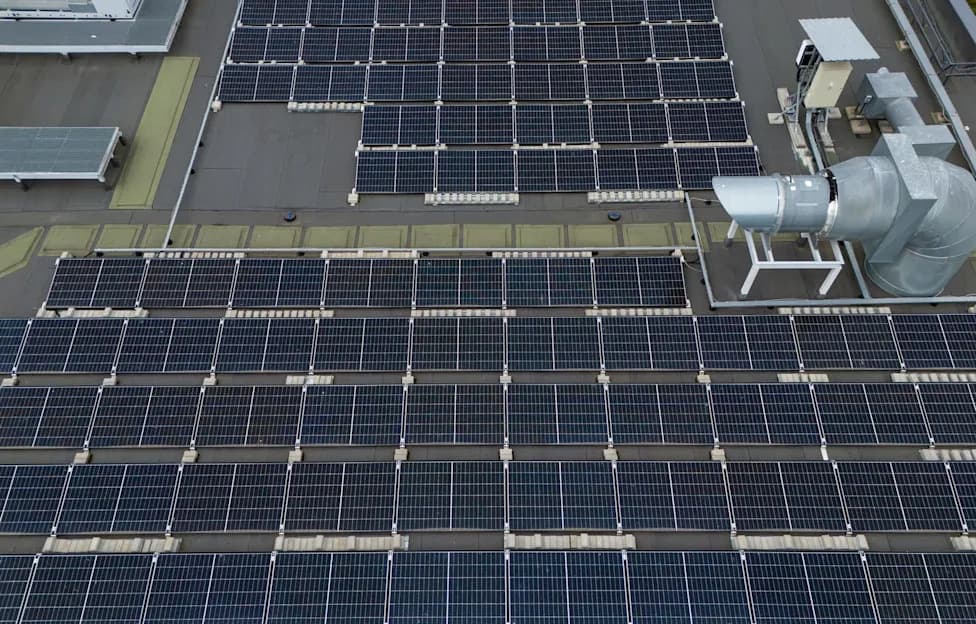
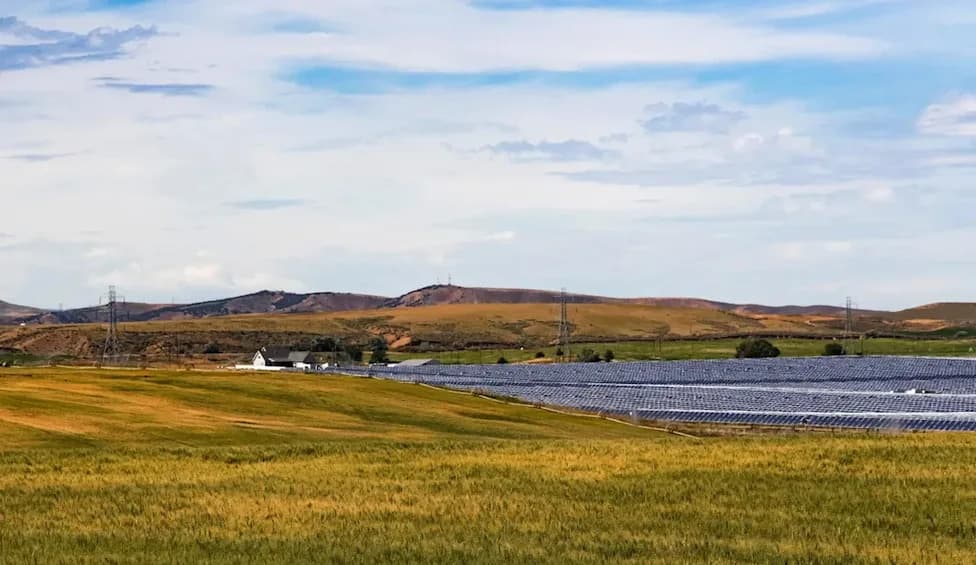
Beacon of Hope in Marshall, North Carolina, now operates a rooftop solar microgrid with battery storage designed to keep freezers, coolers and essential services running during power outages. The batteries hold an estimated 68 kWh — enough to power the site for at least a day without sun. The installation is part of a $5 million, 26-microgrid initiative across western North Carolina funded by the state Department of Environmental Quality. Local leaders say the systems will preserve food and medicine, maintain communications and offer temporary shelter during major outages.
Marshall Food Bank Gets Solar Microgrid — Keeps Freezers, Wi‑Fi and Shelter Online During Blackouts
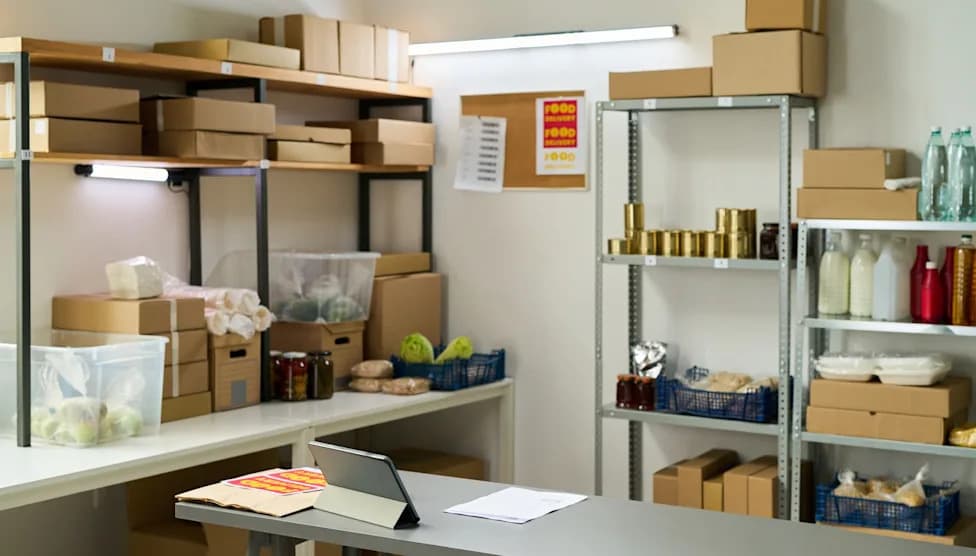
Photo Credit: iStock
When the power grid fails, community hubs can lose more than lights: freezers, coolers and laundry equipment stop working, putting food, medicine and critical services at risk. Beacon of Hope in Marshall, North Carolina, now has a rooftop solar microgrid with battery storage to keep the site operational through major outages.
The Madison County facility — which houses a food bank, thrift store and laundromat — received the system from Rhino Renewables electricians Steve Porvaznik and Ryan Callahan, according to Blue Ridge Public Radio. The installation combines rooftop solar panels with battery storage and controls so the building can operate independently when the larger grid goes down.
How the Microgrid Works
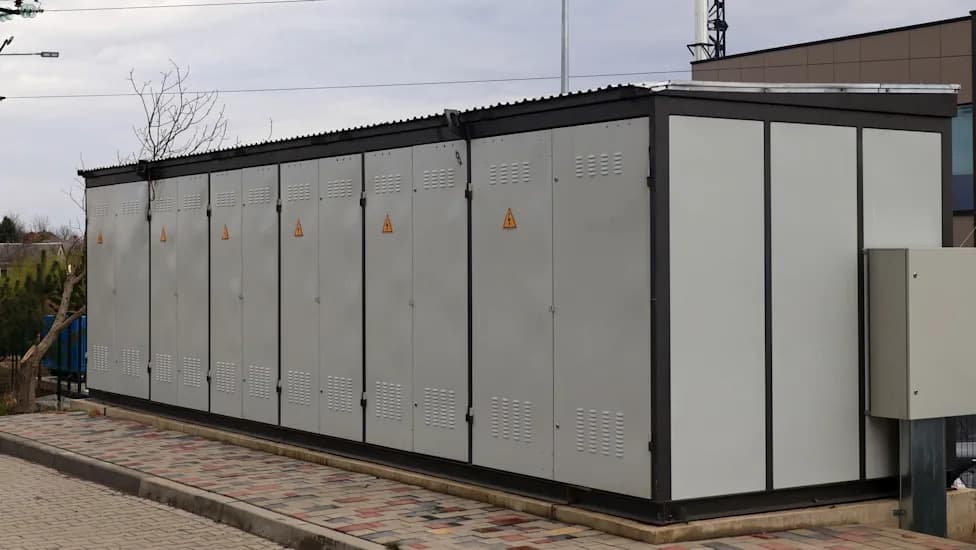
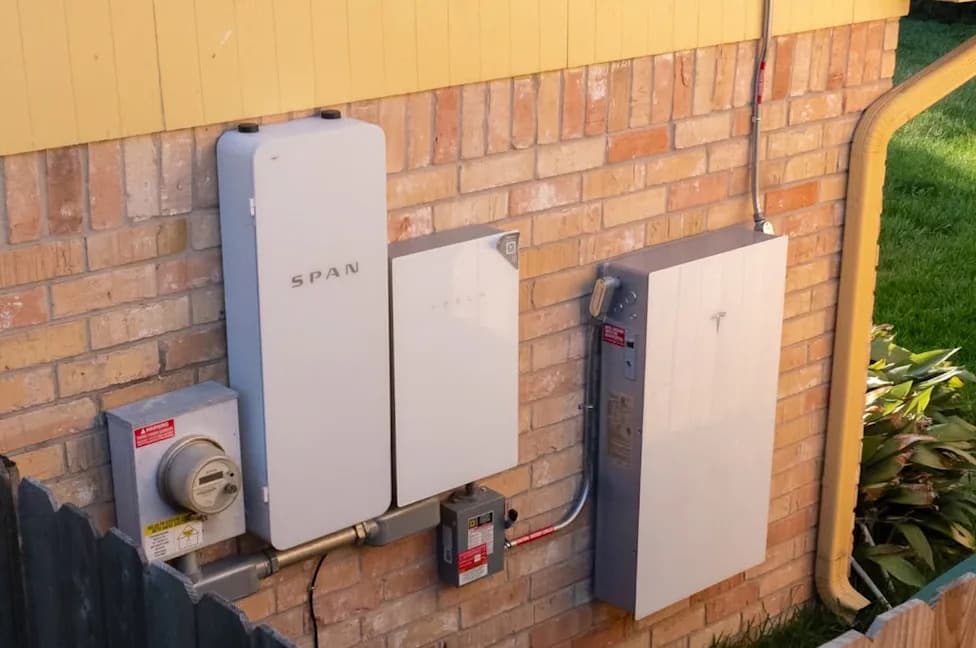
Installers estimate the batteries store about 68 kilowatt-hours of energy, enough to run freezers, coolers, lighting, communications equipment and other essential loads for at least a day without sunshine. Unlike many conventional rooftop solar arrays that shut off during outages, this microgrid includes battery backup and the necessary off-grid switching to keep critical systems online.
A Regional Resilience Initiative
The Beacon of Hope project is part of a wider plan to deploy 26 microgrids across western North Carolina. The initiative is funded by a $5 million grant awarded in 2025 by the North Carolina Department of Environmental Quality to a coalition of local and regional nonprofits. Two systems will be mounted on mobile trailers for rapid response; the remaining 24 are targeted for community assets such as food banks, libraries, fire departments and community centers.
Beacon of Hope director Jessi Koontz said the pantry serves roughly 1,600 families per week and faces monthly electric bills of about $1,200. "We were able to back up the whole store, essentially, with all the freezers and coolers," electrician Steve Porvaznik told Blue Ridge Public Radio, emphasizing the system’s role in preserving perishables and maintaining services during emergencies.
“People already come here, so how can we maximize the resources and communication available when they come?” — Jessi Koontz, Beacon of Hope
Funding, Equity and Siting Considerations
Experts say funding is one of the biggest barriers to scaling microgrids. Alex Kwasinski, an engineer at the University of Pittsburgh who researches microgrids and disaster resilience, noted that many installations in regions like western North Carolina and Puerto Rico are driven by nonprofits or smaller organizations rather than large government or corporate investments.
Sarah Nichols of Land of Sky emphasized equity in site selection: should systems be placed in more rural areas or in communities that historically lack access to services? Nichols says she is prioritizing high-need communities and locations on higher ground to reduce flood risk.
What This Means For Homeowners
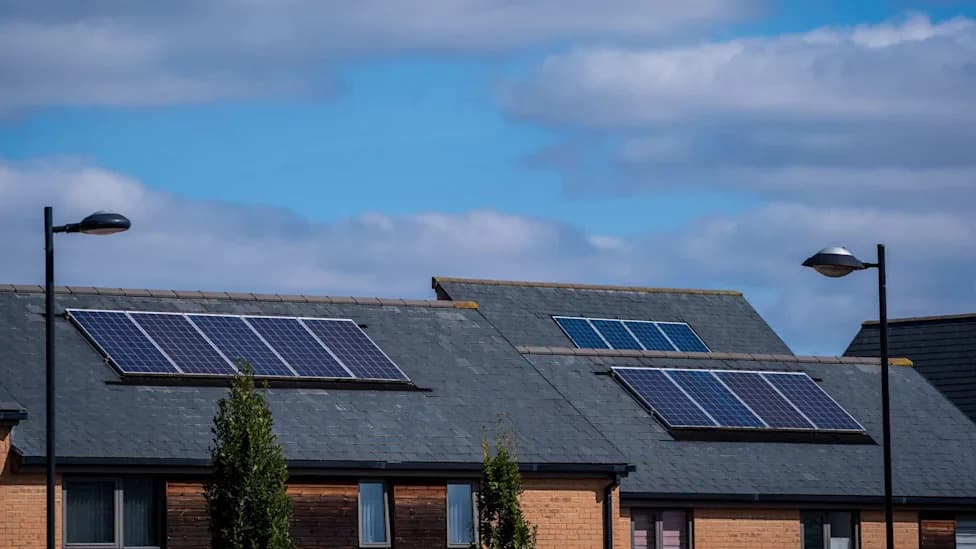
For homeowners, pairing rooftop solar with battery storage can lower bills and provide protection during outages. Third-party services such as EnergySage offer comparison tools, maps and state-level incentive information that can help homeowners estimate costs and find installers. Batteries let households store daytime solar generation for use at night or during grid failures.
Similar Efforts And Impact
Other resilience projects include mobile nanogrids that provide power and clean water in disaster zones, corporate and community donations that help food banks serve thousands after storms, and home installations where solar and batteries preserved refrigerated food and kept lights on during hurricanes. The Beacon of Hope microgrid strengthens a familiar community hub, helping ensure it can continue serving residents during prolonged outages.
Help us improve.