New data show solar and battery storage accounted for a record 91% of new U.S. power capacity added in early 2026. Solar production surpassed coal in May and now supplies about 13% of U.S. electricity. Major milestones include a 12.99 GW battery discharge in California and a day when renewables met 79% of Texas demand. Falling costs and faster deployment are making solar-plus-storage central to grid reliability.
Record Surge: Solar + Batteries Made Up 91% Of New U.S. Power Capacity As Solar Overtakes Coal
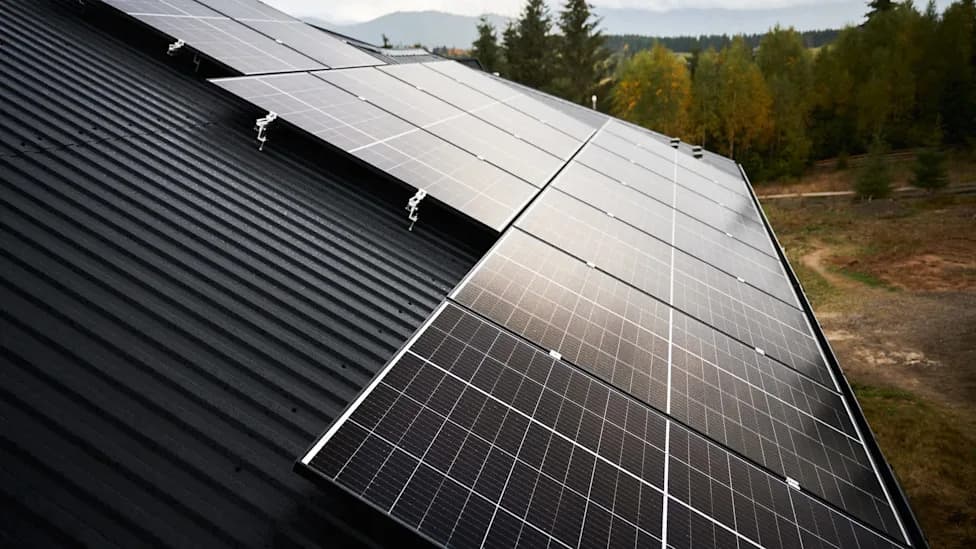
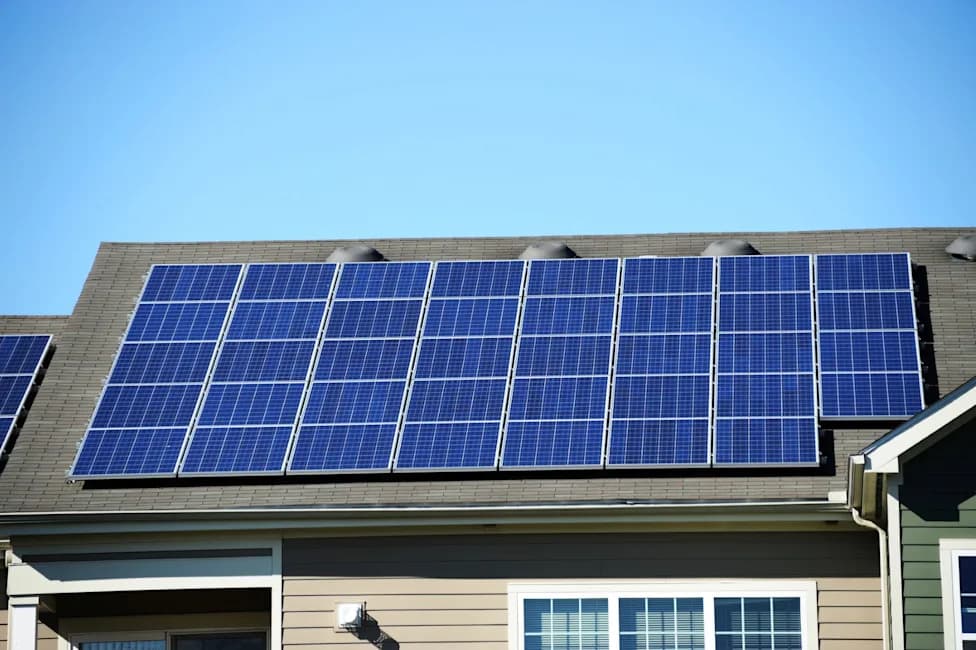
Photo Credit: iStock
New industry data show a rapid shift in the U.S. power mix: in early 2026, solar generation combined with utility-scale battery storage accounted for a record 91% of new electricity-generating capacity added to the grid. That momentum continued through the first half of the year as clean-energy systems from California to Texas and across the Midwest set fresh performance highs.
Record Growth And Key Figures
Figures from the Solar Energy Industries Association, cited by PV Magazine, report that solar and energy storage together represented 91% of new U.S. power capacity added in the first quarter of 2026 — the largest quarterly share on record. In May, solar generation also surpassed coal output nationwide for the first time. Today, solar meets roughly 13% of U.S. electricity demand, up sharply from a negligible share a decade ago.
Notable State-Level Milestones
- California: On July 9, batteries in the California Independent System Operator (CAISO) region discharged a record 12.99 GW, supplying about 36% of energy demand during a challenging evening peak. The next day, California solar output reached 23 GW, covering roughly 72% of afternoon demand.
- Texas: On March 14, total renewable generation supplied about 79% of the state's electricity demand, a new high for the region.
- Other Regions: Over the past three months, grid regions including the Southwest Power Pool (SPP), ISO New England, the Midcontinent Independent System Operator (MISO), and PJM Interconnection each recorded fresh solar generation highs, often coinciding with record-high demand.
Why This Matters
As retail electricity prices and peak demand rise in many parts of the country, rapidly adding clean generation that can help meet peaks is important for grid reliability and affordability. Battery storage helps fill the gap after sunset when solar output falls but demand remains elevated — reducing reliance on fossil-fuel plants (coal and natural gas), cutting planet-warming emissions, and lowering local air pollution from power plants.
Practical And Economic Drivers
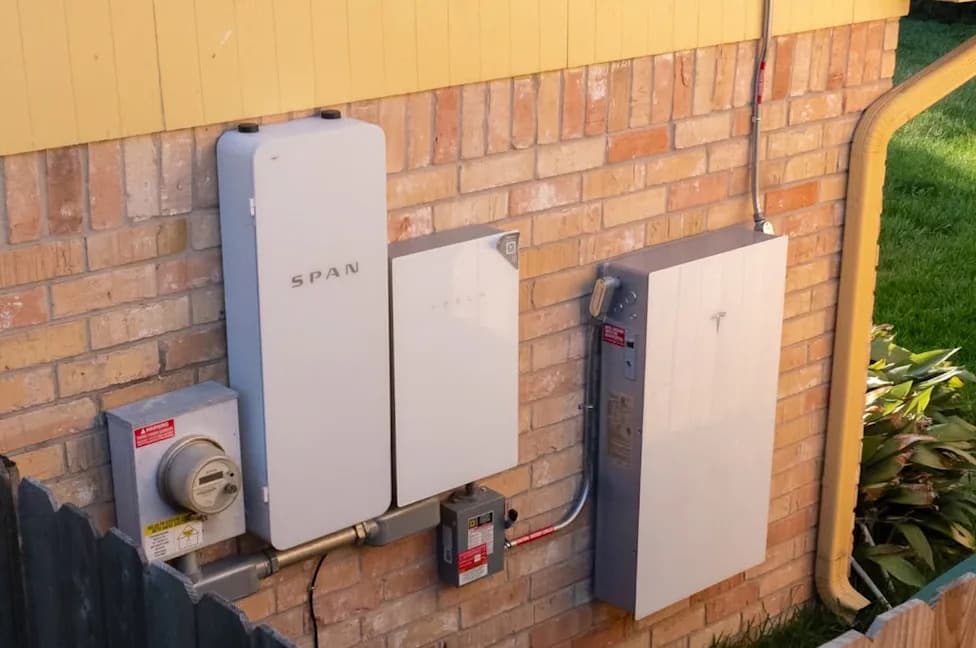
Solar panels and utility-scale batteries are becoming cheaper and can often be deployed faster than many conventional power plants. That pace, combined with supportive utility rate designs, rooftop and community solar options, and growing battery backup deployments, is driving swift adoption across multiple regions — not just California and Texas.
What Comes Next
These trends suggest solar-plus-storage is moving from a supplemental role to a central position in how the U.S. keeps the lights on during periods of high demand. Continued growth will depend on transmission upgrades, interconnection timelines, permitting reforms, and policies that support storage and flexible grid operations.
Source: Solar Energy Industries Association data as reported by PV Magazine.
Help us improve.