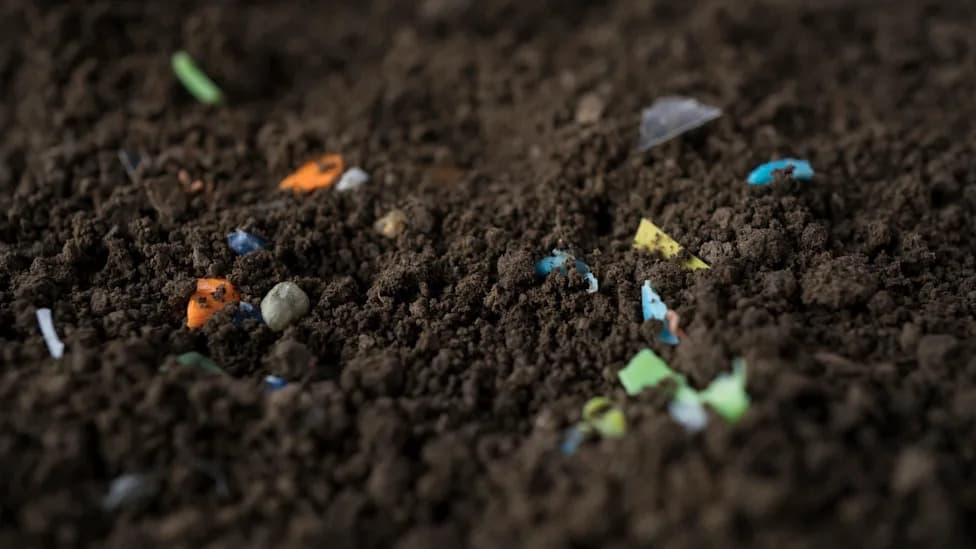
The Virginia Tech–led study published in Water Research found that environmentally relevant concentrations of nanoplastics can alter bacterial signaling and activate dormant bacteriophages inside biofilms, producing thicker, tougher biofilms. Those biofilms were more resistant to common disinfectants used in drinking-water treatment. The findings point to a potential risk that nanoplastics could undermine microbial control in distribution systems, but the authors stress that further research across more species, pipe materials and disinfection methods is needed.
Nanoplastics May Help Harmful Bacteria Survive Tap-Water Treatment, Study Finds
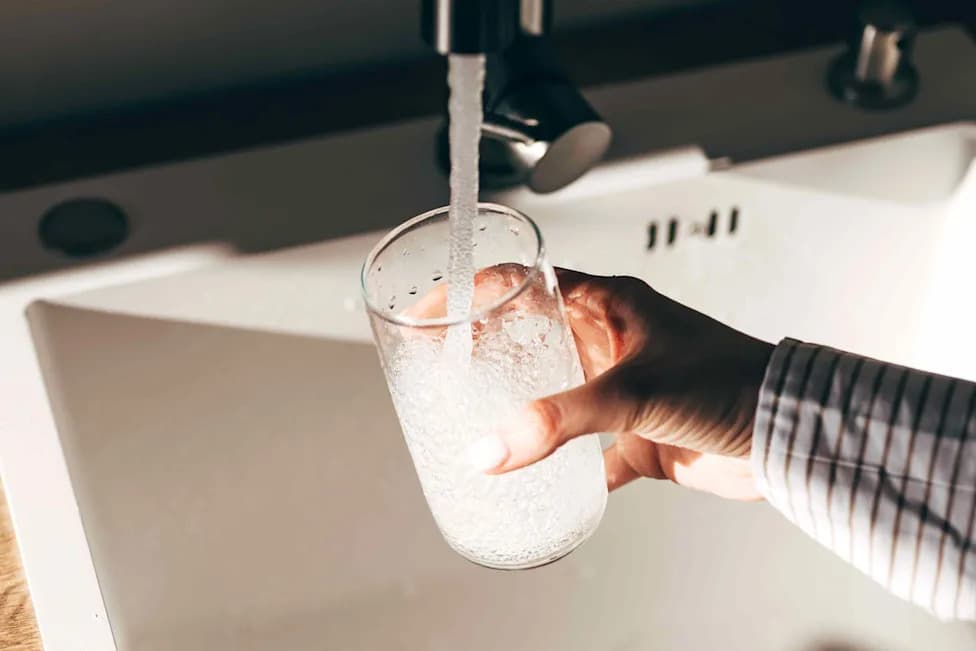
Credit: Viktoriya Skorikova / Getty Images
Nanoplastic particles present in drinking water may be helping disease-causing bacteria survive standard treatment by reinforcing the biofilms that shelter them, according to a laboratory study led by Virginia Tech and published in the journal Water Research.
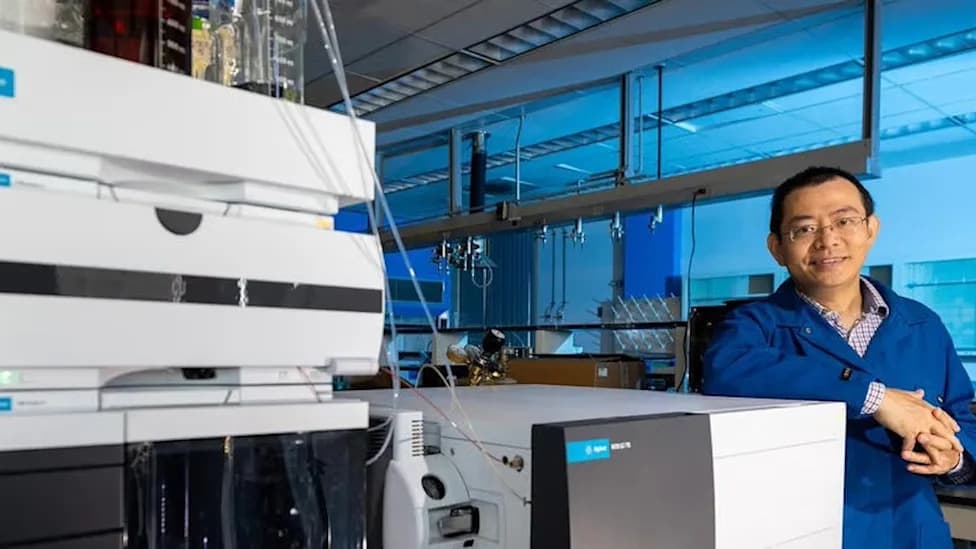
The research team, led by Jingqiu Liao of Virginia Tech's Department of Civil and Environmental Engineering and affiliated with the Fralin Life Sciences Institute, exposed mixed-species biofilms to nanoplastic concentrations similar to those reported in tap water. The experiments used Escherichia coli and Pseudomonas aeruginosa—two bacterial species commonly associated with human infections—to probe how plastics influence microbial behavior in drinking-water systems.
What the Study Found
The researchers observed several linked effects after nanoplastic exposure:
- Altered chemical signaling between bacteria that caused the biofilm matrix to thicken and become mechanically stronger.
- Activation of dormant bacteriophages (prophages) inside some bacteria, which entered the lytic cycle, lysed host cells and released large numbers of viral particles.
- Partial bacterial die-off that released intracellular material into the biofilm; together with nanoplastics, these materials made the biofilm more cohesive and resilient.
- Biofilms containing nanoplastics were more resistant to common disinfectants used in drinking-water treatment than control biofilms lacking the plastics.
"It is very important to better understand the adverse effects of the nanoplastics on human health, and not just in humans but also in the environment, which indirectly influences human health," Liao said in a statement accompanying the paper.
Why This Matters
Biofilms are slimy communities of microbes that attach to surfaces such as pipe interiors. In distribution systems, biofilms can shelter opportunistic pathogens and protect them from disinfectants. The study suggests that nanoplastics—fragments smaller than one micrometer—can change microbial ecology in a way that strengthens these protective communities, potentially reducing the effectiveness of standard control measures.
Limitations and Next Steps
These experiments were laboratory-based and used specific bacterial strains, pipe-relevant materials and disinfectants. The authors emphasize that more research is required across a broader range of microbial species, pipe types, water chemistries and disinfection methods to determine how generalizable and consequential these findings are for real-world drinking-water systems.
Mitigation and Practical Context
Efforts to remove micro- and nanoplastics from water are ongoing. Recent and emerging approaches include natural coagulants such as moringa seed extract, bioengineered algae that promote plastic aggregation, and water-treatment observations—some work suggests that boiling can lead minerals like calcium carbonate to trap tiny particles. Avoiding bottled water can also reduce one source of microplastic exposure.
Importantly, the study does not demonstrate that tap water is immediately unsafe; rather, it highlights a potential mechanism by which nanoplastics could undermine microbial control and underscores the need for additional field-relevant studies.
Bottom line: Nanoplastics may alter bacterium–phage dynamics and strengthen biofilms in ways that make some microbes harder to disinfect. More research is needed before public-health recommendations or treatment changes are warranted.
Help us improve.