The FDA has issued 25 warning letters to telehealth companies for misleading promotion of compounded GLP-1 weight-loss drugs, warning these preparations lack the regulatory oversight of approved medicines. Compounded semaglutide may produce similar side effects to branded drugs but can carry extra risks due to inconsistent manufacturing and lack of proven efficacy. High prices and patent protections through 2032 have driven demand for compounded alternatives, but doctors advise obtaining prescriptions from clinicians and filling them at state-licensed pharmacies.
FDA Issues 25 Warnings Over Compounded GLP-1 Weight‑Loss Drugs — Doctors Urge Caution
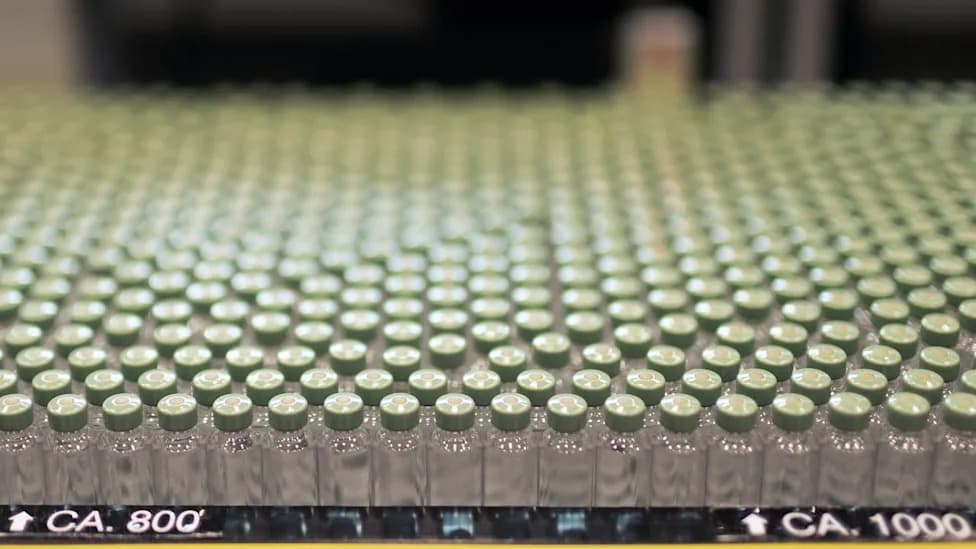
FDA warns on compounded GLP-1 weight loss drugs
The U.S. Food and Drug Administration and medical experts are warning patients to avoid compounded versions of popular GLP-1 weight-loss medicines, citing safety, effectiveness and manufacturing concerns that fall outside federal oversight.
What the FDA Found
Last month the FDA sent 25 warning letters to telehealth companies for what the agency described as misleading or inaccurate marketing of compounded GLP-1 treatments, according to NewsNation. The agency says compounded drugs should be used only when a patient's medical needs cannot be met by an FDA-approved medication and recommends patients obtain prescriptions from their doctors and have them filled by state-licensed pharmacies.
How Compounded Drugs Differ
Compounded medications are tailor-made by pharmacies to meet an individual patient's requirements — changing factors such as flavor, potency or the method of administration. Unlike FDA-approved products, compounded versions generally lack the established evidence of consistent manufacturing quality, safety and proven efficacy that regulators require.
Safety And Efficacy Concerns
Experts say compounded semaglutide tends to produce a side-effect profile similar to branded GLP-1 medicines such as Ozempic and Wegovy (nausea, gastrointestinal symptoms, etc.). However, without FDA oversight patients may face additional safety risks from inconsistent potency, contamination or improper storage.
Dr. Michael Blyumin, Stanford Medicine: "Patients often ask about compounded options because of cost and access problems. But I advise against it; there are a lot of potential problems that they pose."
Why Patients Turn To Compounded Versions
Without insurance or discounts, FDA-approved GLP-1 drugs can cost more than $1,000 per month. Existing patent protections are expected to block a generic semaglutide from reaching U.S. consumers before 2032. Those price barriers — combined with past shortages of approved products — have driven demand for compounded alternatives.
Survey data from two years ago indicated that nearly one in three Americans using a GLP-1 medication obtained it from a compounding pharmacy. Clinicians say many patients may not be aware of legitimate, lower-cost options for obtaining approved medications.
Advice For Patients: Talk with your prescribing clinician about safer, approved options; request a prescription from your doctor and have it filled at a state-licensed pharmacy. Be cautious of telehealth companies or pharmacies offering cheaper compounded GLP-1 products without clear evidence of quality and appropriate oversight.
Help us improve.