The tiny tree snail Partula tohiveana has been confirmed breeding in the wild on Moorea for the first time in about 40 years. Captive populations established from the 1960s–1984 formed the basis of reintroductions that resumed annually from 2015 (paused 2020–2022). Improved monitoring— including UV-reflective paint introduced in 2023—helped researchers detect an unmarked group of adults and juveniles in September 2024. The discovery is promising but the population remains small and faces ongoing threats from invasive flatworms and wolfsnails.
Tiny Tree Snails Make a Comeback on Moorea After 40 Years Away From the Wild
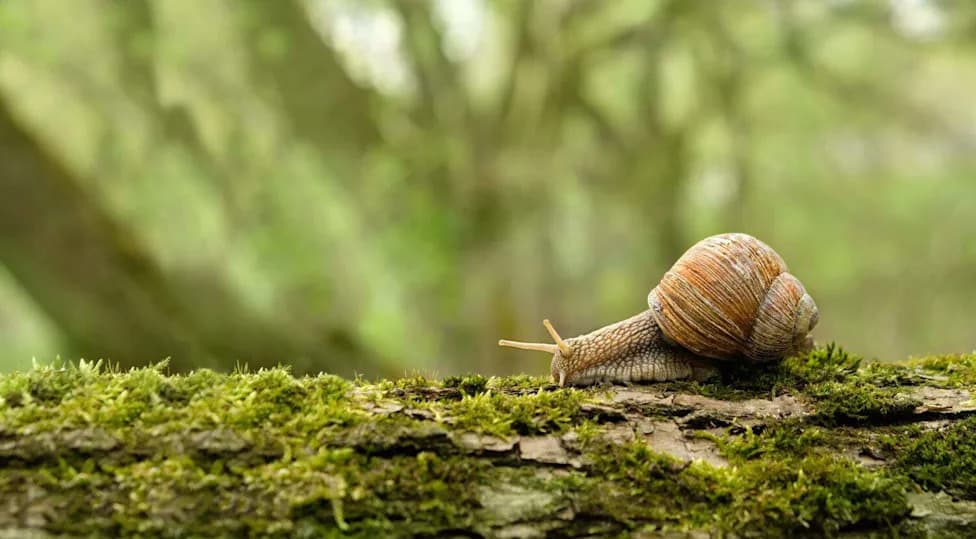
Snail on mossy tree close up, natural green background. purity of nature, care about the world. wild life, ecology, save Animal and earth concept. slow life. harmony of nature. Burgundy snail, Helix.© ju_see/Shutterstock.com
A tiny tree snail native to French Polynesia has been confirmed breeding in the wild on Moorea for the first time in roughly four decades. The achievement follows decades of coordinated zoo-based conservation, careful reintroductions and improved field monitoring.
Background
Species in the family Partulidae were once abundant across the Society Islands and important both culturally and ecologically. Islanders used their delicate shells in necklaces and crowns, while ecologically these snails acted as detritivores, recycling decaying plant material. Between about 1982 and 1995, almost all wild populations collapsed.
What Caused the Decline?
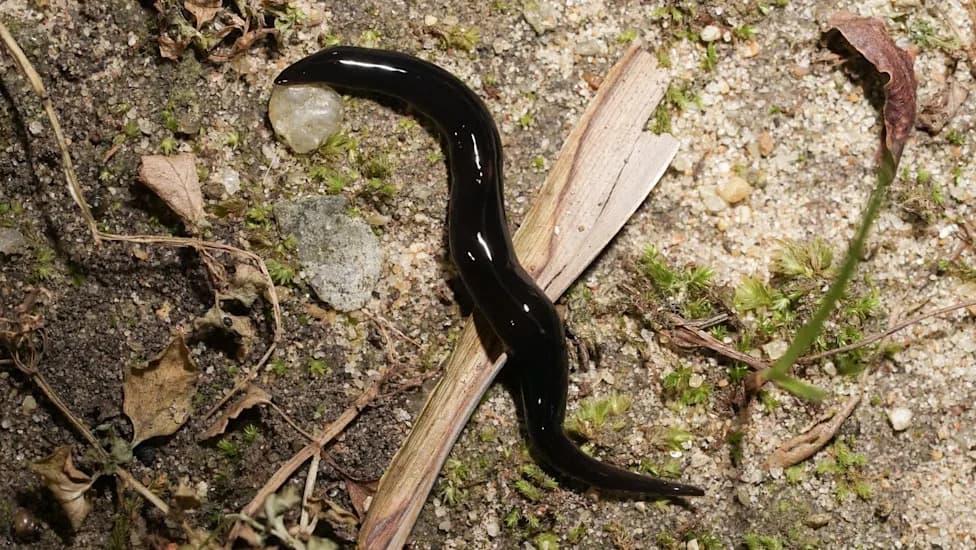
The dramatic decline was driven by introduced predators. The rosy wolfsnail, Euglandina, was brought in to control the invasive giant African land snail (Lissachatina fulica) but instead preyed heavily on native Partula. Later, the New Guinea flatworm (Platydemus manokwari) became the main predator threatening tree snails across the islands.
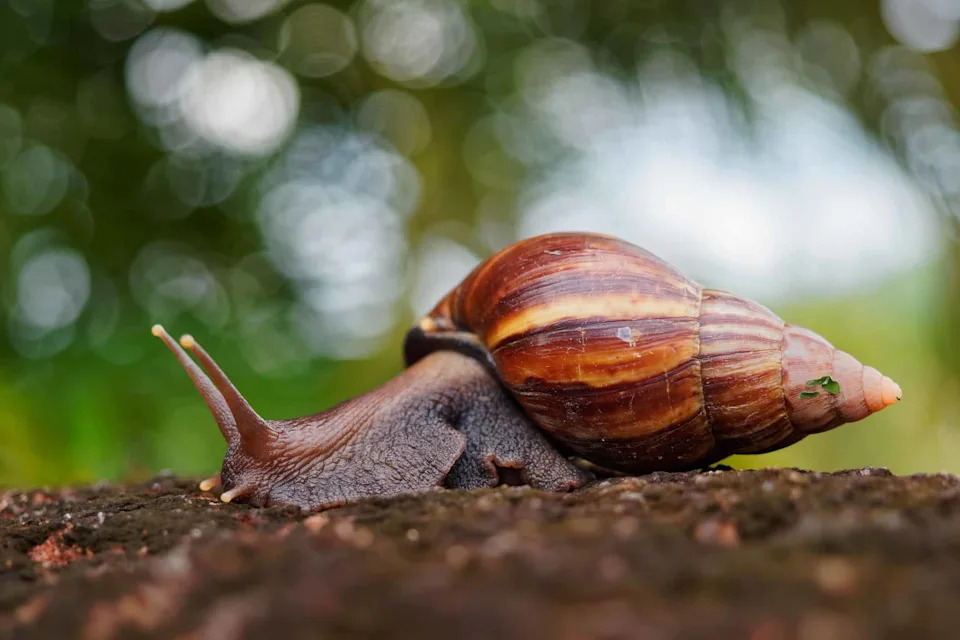
Rosy wolfsnails were introduced to control giant African land snails.©phototrip/iStock via Getty Images
Captive Breeding and International Coordination
Beginning in the 1960s and through 1984, captive colonies of nine Partula species were established, first at the Jersey Wildlife Preservation Trust and later coordinated internationally under the Partulid Global Species Management Programme led by the Zoological Society of London. Those ex situ populations became the backbone of conservation breeding after the species were effectively lost from the wild. Historically the Society Islands hosted 51 Partula taxa; of the 17 species still extant, 10 survive only in captivity.
Reintroduction Efforts
Reintroduction trials on Moorea began in 1995. Early releases used predator-proof enclosures but were breached by Euglandina. Field teams later identified Tahitian chestnut trees as promising refuges because their bare, dry trunks appear to deter wolfsnails. From 2015 onward (with a pause in 2020–2022 due to the COVID-19 pandemic), captive-bred snails were placed on these trees at multiple release sites, including Afareaito Valley.
Monitoring and Improved Marking
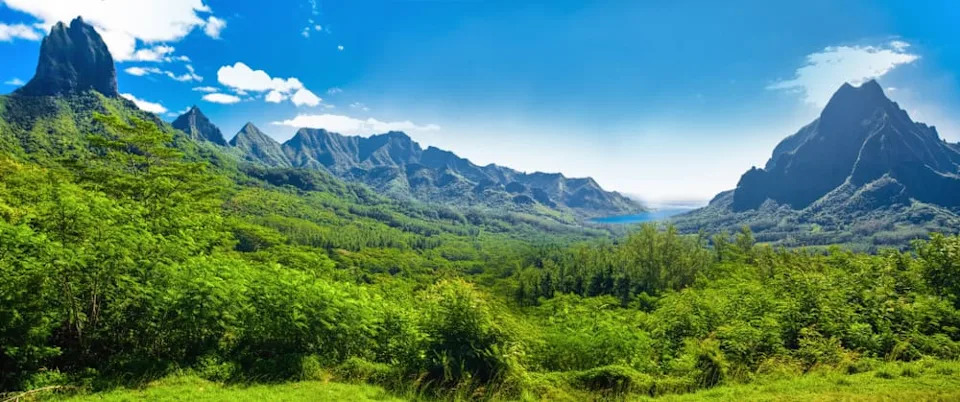
The snails were released on Moorea Island.©Martin Valigursky/Shutterstock.com
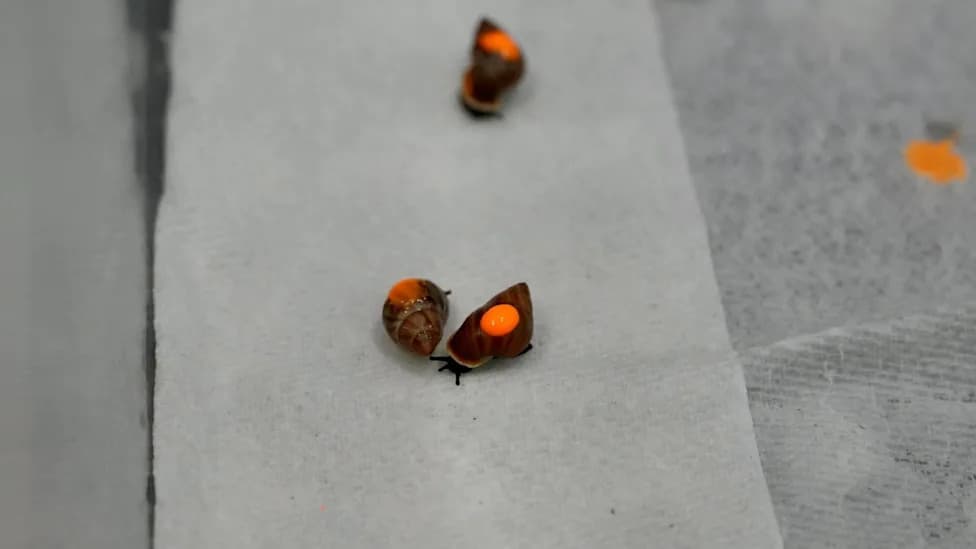
Released animals were transported in a dormant (aestivating) state and were individually marked with enamel paint—adults on the shell lip and juveniles on the shell apex—using different colors for each release year. In 2023 researchers improved detection by switching to ultraviolet-reflective paint and UV torches, allowing marked snails to be located more easily during night or low-light surveys.
The Discovery
Wild-born Partula tohiveana individuals were first observed as early as 2018, but the more decisive milestone came in September 2024 when researchers found a resident, unmarked assemblage of both adults and juveniles at a release site in Afareaito Valley—clear evidence of successful breeding in the wild for the first time since the decades-long decline.
Caveats and Ongoing Threats
While the discovery is a major conservation milestone, scientists urge caution. The newly detected population is still small and remains vulnerable to invasive predators, particularly the New Guinea flatworm and lingering wolfsnails in the valley. Multiple wild-born adults and juveniles do not yet guarantee long-term viability; continued monitoring, additional releases and predator control will be needed to give the population the best chance of persisting.
Why This Matters
If sustained, this program could provide a replicable model for restoring other endangered invertebrates. It also underscores the value of international zoo partnerships, long-term captive-breeding programs and adaptive field techniques—such as the use of native microhabitats and UV marking—for returning species from 'Extinct in the Wild' status back to functioning wild populations.
Help us improve.