Modern reanalysis of 12th‑Dynasty royal skeletons from Dahshur reveals bone markers and healed injuries consistent with repeated weapons use and training. Princesses Ita, Itaweret, Khenmet and Noub‑Hotep show pronounced arm and shoulder muscle attachments, spinal stress lesions and trauma similar to a buried pharaoh, and their graves contained visibly used bows and arrows. Researchers argue elite status may have expanded expected gender roles, suggesting some royal women practiced martial skills rather than only holding symbolic arms.
Royal Princesses Who Trained With Weapons: New Bone Analysis Rewrites Egyptian History
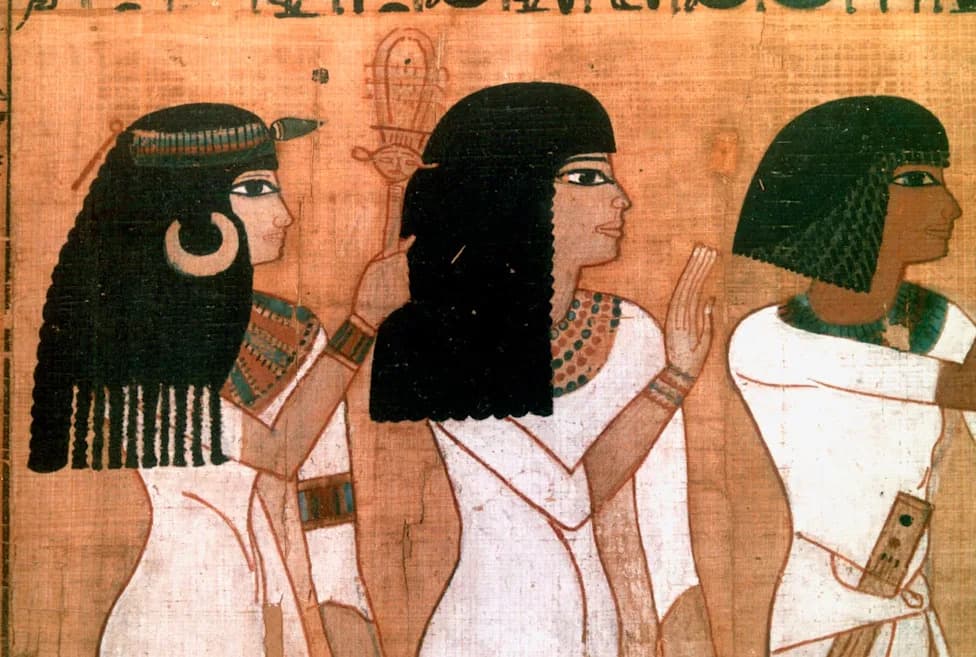
Mummy Bones Rewrite Egyptian Warrior HistoryPrint Collector - Getty Images
New osteological research on royal female remains from Egypt's Middle Kingdom suggests several 12th‑Dynasty princesses underwent sustained weapons training and may have participated in martial activities rather than merely receiving symbolic arms at burial.
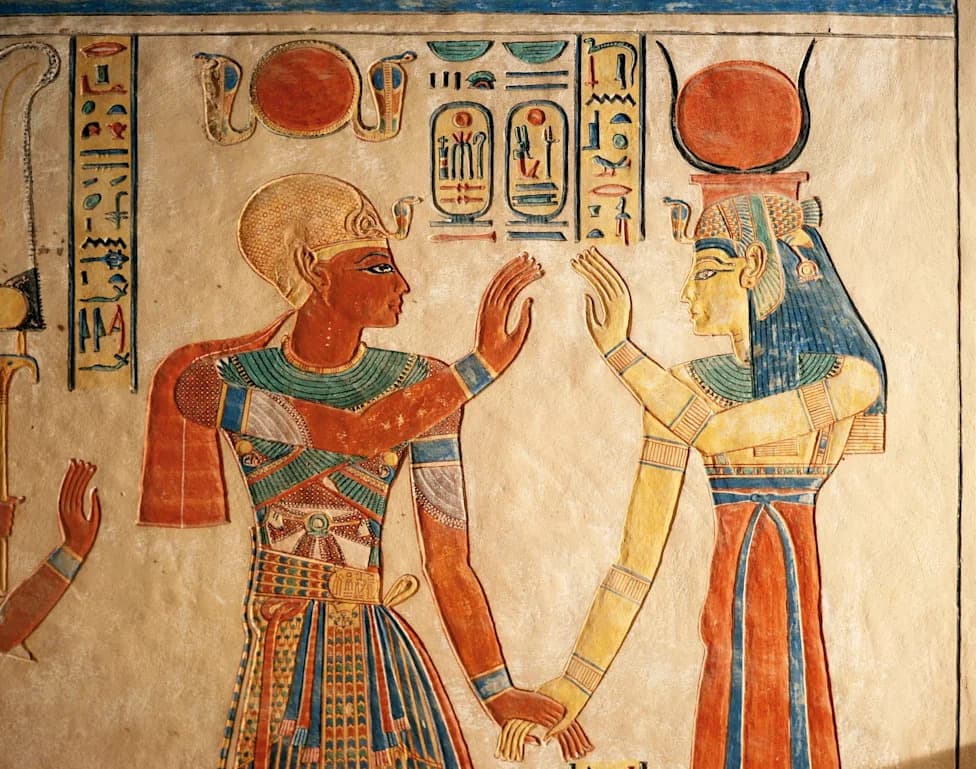
Ancient Egyptian women enjoyed unusually broad legal and social rights: they could own and manage property, inherit and bequeath estates, and occasionally rule in their own names. Figures such as Sobekneferu and Hatshepsut ruled as pharaohs, while queens like Tiye and Nefertiti played central political roles. Still, whether elite women commonly trained with or used weapons has been debated for decades.
Some material evidence hinted at warrior women—tomb paintings sometimes show queens defeating enemies, and weapons have been found in female burials—but archaeologists long argued over whether those depictions were literal or purely symbolic. The Dahshur pyramid complex, part of the greater Memphis necropolis and a prestigious Middle Kingdom burial ground, now supplies new skeletal evidence.
French excavations at Dahshur beginning in 1894 under Jacques de Morgan uncovered burials associated with Amenemhat II and Amenemhat III. Finds included the mummies of the 13th‑Dynasty pharaoh Hor I and Princess Noub‑Hotep, as well as 12th‑Dynasty royal women identified as Ita, Itaweret, Khenmet and an unidentified female possibly Sathathormeryt—daughters of Amenemhat II. The princesses' burial chambers contained bows, arrows, maces, staves and other weapons that could have been ritual objects or practical arms.
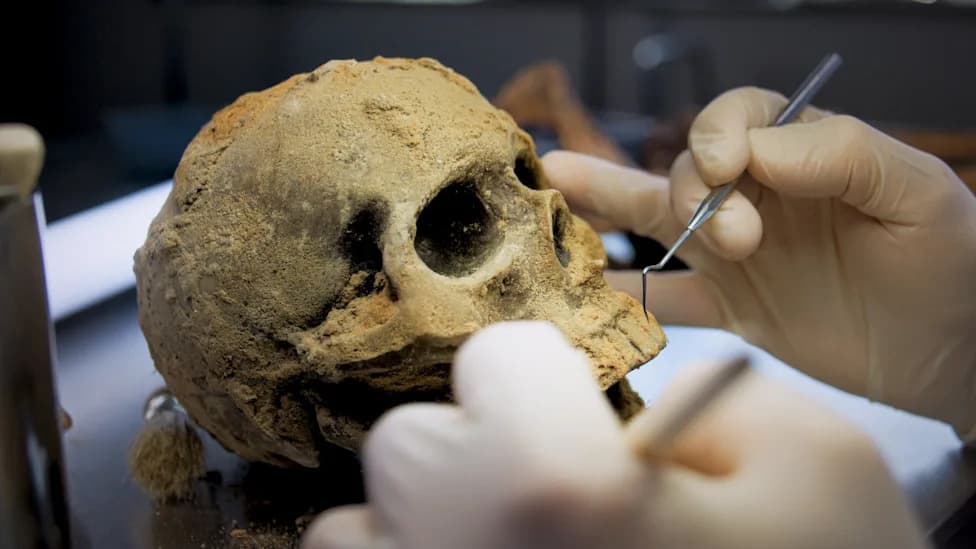
After more than a century in the storerooms of the Egyptian Museum in Tahrir, these remains were reexamined using modern bioarchaeological methods in a study published in Frontiers in Environmental Archaeology by Zeinab Hashesh, Ahmed Gabr and Roxie Walker. The analysis focused on skeletal markers of habitual activity and trauma that preserve the signature of repetitive stress and injury.
Key findings include:
- Pronounced muscle attachment sites on the arms and shoulders of Princesses Itaweret and Khenmet—consistent with repeated, forceful motions such as drawing a bow or using a sword.
- Healed rib and foot fractures in Itaweret that could result from a heavy blow or a fall, and a healed stress lesion on Noub‑Hotep's spine consistent with repetitive axial loading.
- An abnormal bone formation in Khenmet attributable to inflammatory soft‑tissue injury, and comparable lesions in the contemporary pharaoh Hor I—who would have trained for battle.
- Grave goods—bows, arrows and other weapons—that show signs of actual use rather than being purely ceremonial.
Taken together, these markers differ from the wear patterns expected from domestic labor (for example, grinding grain or fieldwork) and instead align with sustained weapons practice: repeated bow‑drawing, striking motions, and axial loading from combat training. The researchers argue that placing functional weapons in elite female burials served both to assert high status and to connect these women with Osirian ritual symbolism, reinforcing the royal role in the cyclical regeneration of the king.
"Differences in activity, including gendered roles, have been widely documented, with males often showing higher trauma rates. However, the Dahshur evidence complicates such models, suggesting that elite women engaged in physically demanding and skilled activities," the authors note.
These findings challenge assumptions about strictly gendered activity patterns in ancient Egypt and reopen questions about how widespread martial training among elite women might have been—and whether weapons in female burials should be read as ceremonial insignia, evidence of real training, or both.
Help us improve.