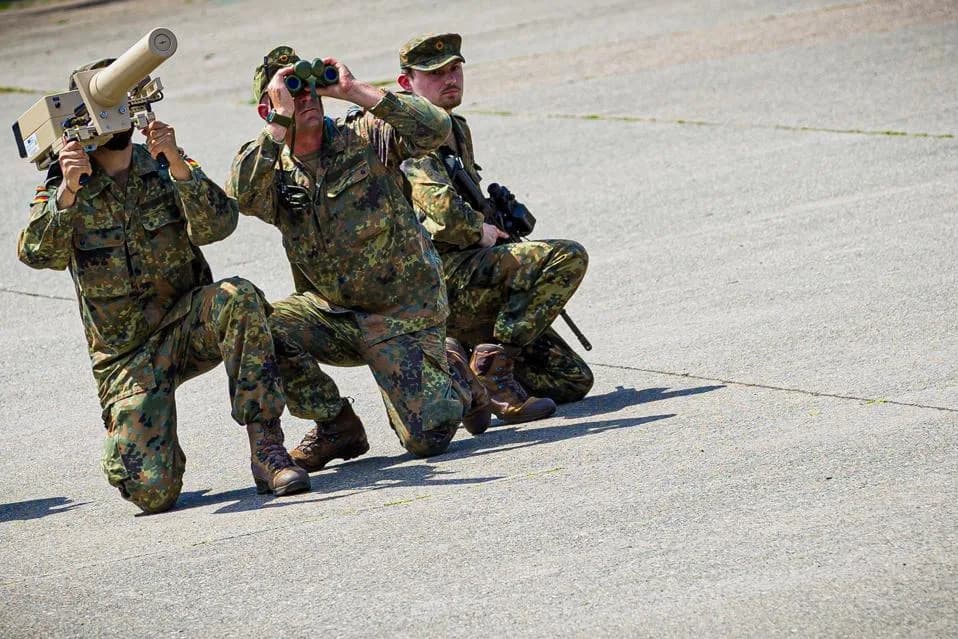
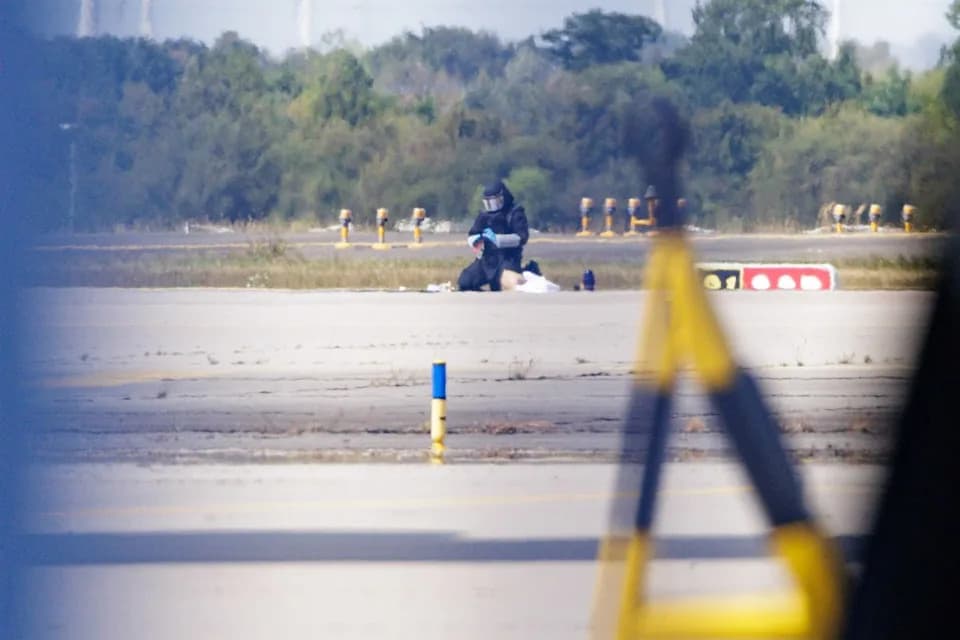
Persistent drone and satellite surveillance is making large troop gatherings and fixed command posts vulnerable to long-range strikes. French Adm. Pierre Vandier says NATO is moving toward dispersal and decentralized command-and-control to reduce risk. The alliance is already integrating AI tools—such as Palantir's Maven acquired in March 2025—and experimenting with dispersed air operations and improvised runways to increase resilience.
Constant Surveillance Is Forcing NATO To 'Scatter The Force,' Top Commander Warns
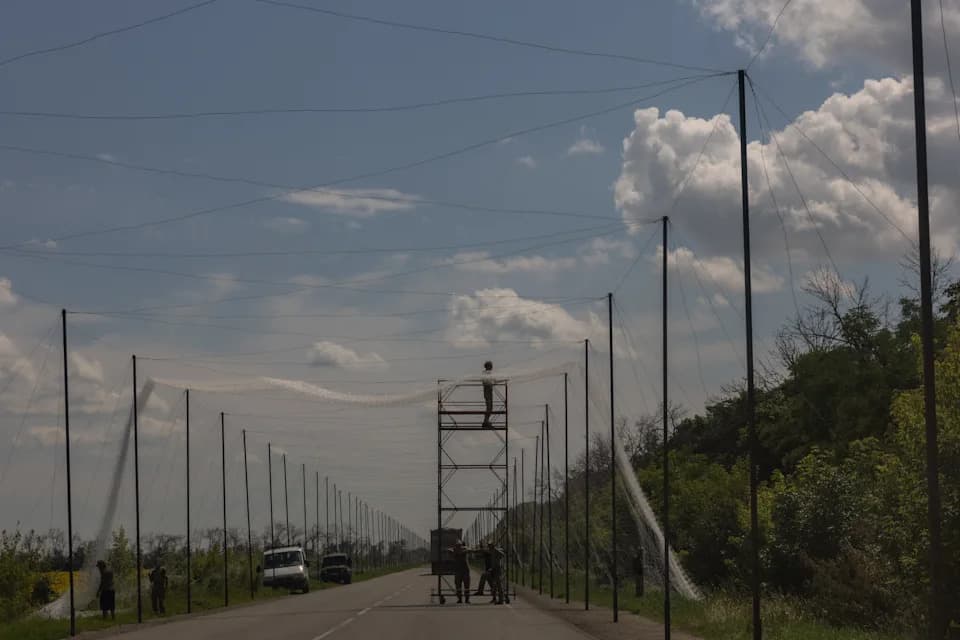
Drones have turned the front lines in Ukraine into a miles-wide kill zone.Roman PILIPEY/AFP via Getty Images
Persistent surveillance from drones, satellites and other sensors is reshaping modern warfare. Large troop concentrations and fixed headquarters are increasingly vulnerable to long-range strikes, prompting NATO to change how it commands and protects forces.
French Adm. Pierre Vandier, NATO's Supreme Allied Commander Transformation, told Business Insider that continuous battlefield observation and the growing risk of attacks far behind front lines are driving the alliance to "scatter the force" and avoid what he called "useless concentration."
"We are only at the beginning of it," Vandier said, describing an ongoing renewal of command-and-control (C2) approaches and the shift toward decentralized decision-making nodes.
Lessons From Ukraine
Ukraine has become a clear example of how persistent surveillance changes tactics. Drones now monitor large stretches of the front, creating wide "kill zones" where movement can be detected and targeted. To survive, soldiers drive less, move dispersed on foot, and maintain greater separation. Both Ukrainian and Russian forces have largely abandoned large troop gatherings near forward lines; mission planning, artillery coordination and air-defence operations are often carried out farther back, concealed, or while on the move.
Dispersal Beyond The Front
Farther from the front, Ukraine has prioritized dispersion to reduce vulnerability to longer-range missile and drone strikes. Defense companies have likewise spread facilities and, in some cases, moved operations underground. Western and Ukrainian officials say NATO should adopt similar measures for large command posts and other critical nodes to reduce risk in any future high-end confrontation.
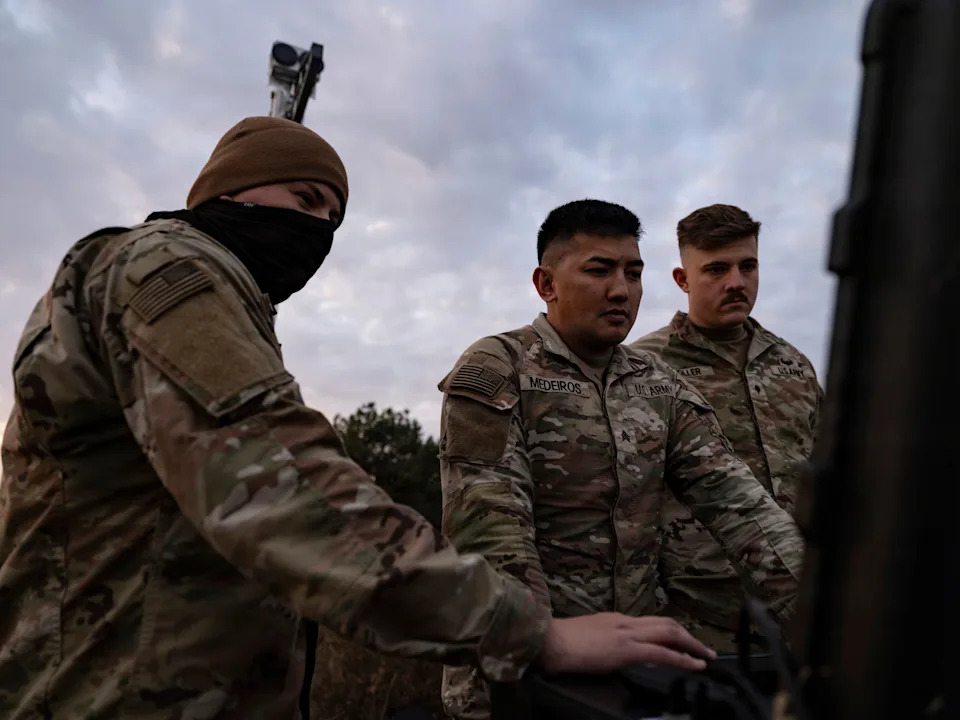
NATO is increasingly integrating AI into operations and decision-making.US Army photo
Technology, AI And New C2 Models
Vandier and other NATO leaders argue that advances in software and cloud-based analytics enable a more distributed force. Cloud platforms and AI tools can store, fuse and analyze battlefield data without requiring hundreds of staff to be physically concentrated in one location.
In March 2025, NATO acquired the Maven Smart System from Palantir Technologies to help integrate artificial intelligence into operations and accelerate decision-making—part of a broader C2 renewal that seeks faster, more resilient and more distributed command structures.
Operational Changes And Risks
Recent regional strikes — including attacks that hit U.S. facilities in Bahrain and Qatar — have highlighted the vulnerability of centralized headquarters and air operations centers. In response, U.S. and allied forces are pursuing software-focused C2 upgrades and experimenting with dispersed air operations such as the U.S. Air Force's Agile Combat Employment concepts.
For years NATO pilots have trained to take off and land on highways and improvised runways to reduce dependence on fixed airbases — tactics that echo some Cold War-era practices but are adapted to today's surveillance and long-range strike environment.
Bottom line: Continuous surveillance is forcing militaries to trade visible concentration for dispersion, to harden or conceal critical functions, and to rely on new technologies and decentralized command arrangements to survive and operate effectively on future battlefields.
Help us improve.